Dredging Equipment for Sale: A Comprehensive Guide

application/dredging-equipment-for-sale, application/dredging-equipment-for-sale, 
Inquiry
Inquiry

dredging equipment for sale

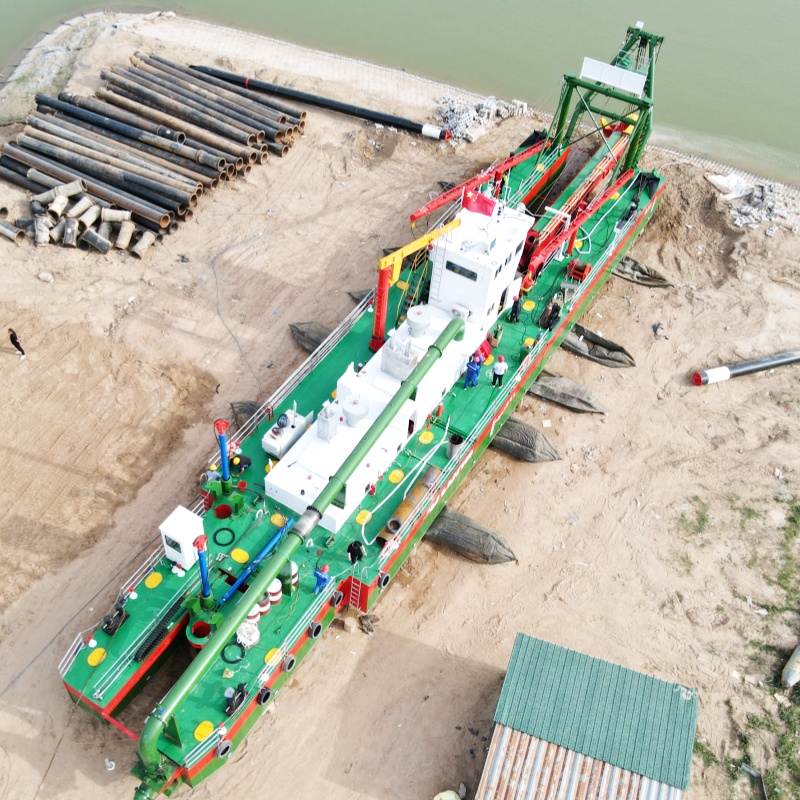
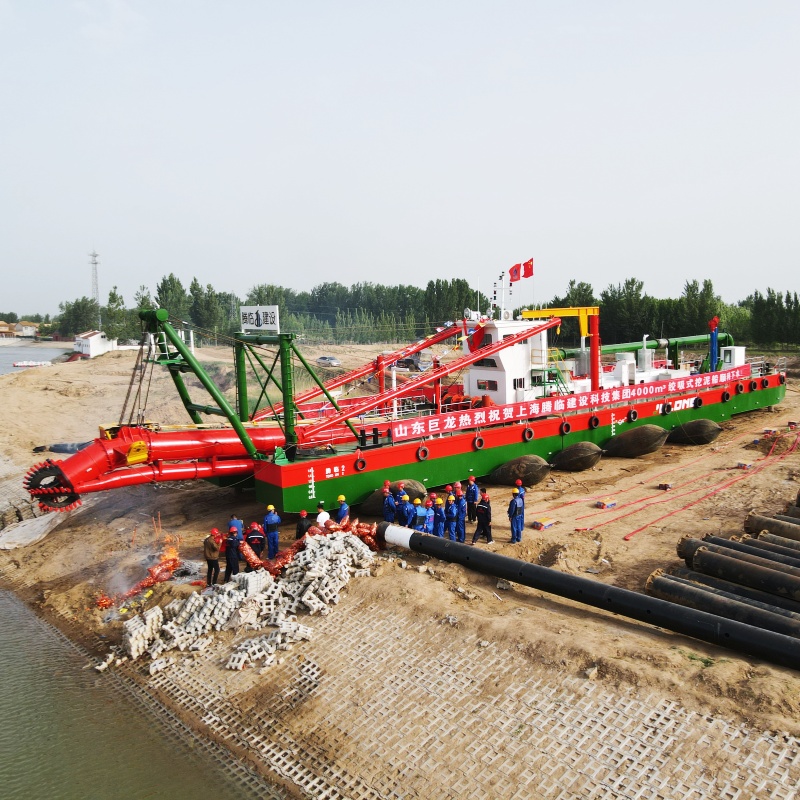
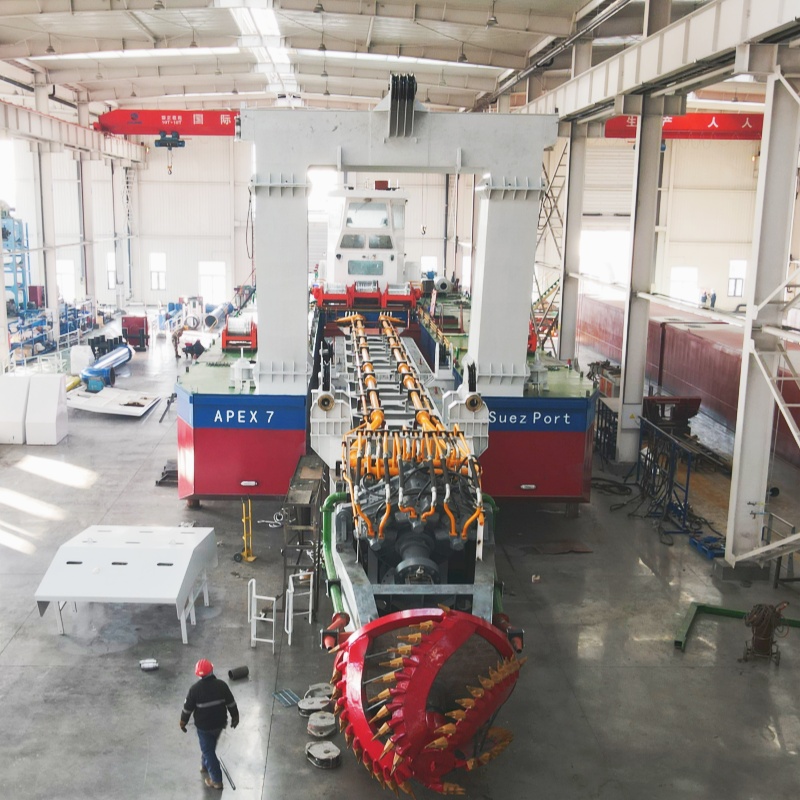
Dredging equipment, particularly cutter  suction dredgers  and amphibious  dredgers, plays a vital role in river,  lake, and port  projects,  addressing various  soil and sediment removal needs. When  looking for dredging  equipment  for  sale, buyers often consider factors  like reliability, durability, and application suitability. This  article aims to provide  practical insights into the specifications, supplier evaluation, quality assessment,  cost considerations,  and  applications of dredging  equipment, helping purchasing managers and  project  engineers make informed decisions. For example, the JLCSD700 Cutter Suction Dredger is known for its high capacity and efficiency.

Understanding Cost Factors for Bulk Dredging Equipment Orders

Understanding Cost Factors for Bulk Dredging Equipment Orders

Finding reliable  suppliers for dredging equipment requires thorough research and due diligence. Potential buyers  can start by leveraging several avenues:

Industry Trade Shows: Attending trade shows or  exhibitions focused on dredging and marine equipment can provide firsthand insights into various  suppliers and their product offerings. It's also  an opportunity to network and gather information about the latest technology and innovations.

Online Marketplaces: Websites specializing in  industrial equipment often list multiple manufacturers and suppliers. Buyers can compare products, check reviews, and assess supplier reputation through ratings and feedback from previous customers.

Industry Associations:  Joining industry associations related to dredging and environmental  technology can provide access to  a network of reputable suppliers. These  associations often have directories  or  recommendations for trusted companies.

References and Case Studies: Requesting  references from suppliers can give buyers insight into past projects and the effectiveness of the equipment. Case studies highlighting successful implementations can  also provide assurance of quality and reliability. For instance, the JLWB1600 Multi-function Work Boat has been successfully used in various projects.

By utilizing these resources, buyers can identify qualified suppliers that  align with their specific needs, ensuring they receive quality  dredging  equipment for sale.

Installation Guidance for Cutter Suction Dredgers and Excavators

Installation Guidance for Cutter Suction Dredgers and Excavators

Evaluating the quality of dredging equipment is essential to ensure  long-term performance and reliability. Here are key considerations for buyers:

Certifications: Check for industry certifications  such as  ISO and CE, which indicate compliance with international quality standards. These  certifications assure  buyers that the equipment meets safety and performance criteria.

Material Quality: The materials used in construction significantly impact  the durability of dredging equipment. Buyers should inquire about the  grades of steel or other materials used, ensuring they are suitable for the operating environment and expected wear.

Manufacturing Processes: Understanding the manufacturing processes employed by the supplier can  provide insights into quality control measures. Suppliers should have robust quality assurance protocols to minimize defects and ensure consistency.

Product Testing: Request information about testing procedures conducted on the dredging equipment. This can include performance tests, durability assessments, and  operational trials to  verify  that the dredger  meets  specifications  under real-world conditions.

Warranty and Support: A comprehensive warranty and  available  technical support are indicators of  a reputable  manufacturer. Buyers should clarify the terms of the warranty, including what is covered and the duration, as well as the availability of parts and service.

Conducting a thorough evaluation based on these factors can help buyers select high-quality dredging  equipment, ultimately reducing the risk of operational issues  and increasing project success.

Common Problems with Dredging Equipment and Effective Solutions

Common Problems with Dredging Equipment and Effective Solutions

When purchasing dredging equipment in bulk, it’s essential to consider several cost factors:

Base Price of Equipment: The initial cost of the  dredger is a primary consideration. Buyers should obtain quotes from multiple suppliers to compare pricing and identify the best value  for the specifications required.

Shipping and Handling: Bulk purchases may incur higher shipping costs, depending on the destination and size  of the equipment. Buyers  should factor in these costs when budgeting for their purchase.

Customization Costs: If specific customizations are needed for the dredging equipment,  it’s important to understand how these will affect the overall cost. Customizations can include modifications to the cutter  head, pump size, or additional features.

Training and Installation: Some suppliers offer training and installation services, which can add to the overall  cost. However, these services may be necessary to ensure  proper operation and maintenance.

Maintenance and Operating Costs: It’s crucial to consider the long-term  costs associated with operating  the dredging equipment, including fuel, maintenance, and potential repairs. Understanding these ongoing  costs helps  buyers assess the total cost  of ownership.

Taking  these cost factors into account ensures  that buyers  make financially sound decisions when purchasing dredging equipment in  bulk, leading to better  budget  management and project planning.

Applications of Dredging Equipment in River and Port Projects

Dredging equipment serves various applications across river, lake, and port  projects. Understanding these applications can help buyers select the right equipment for their specific  needs:

River Dredging: Dredging in rivers typically focuses on maintaining navigable channels, removing sediments that can impede water flow, and preventing flooding. Cutter suction dredgers are commonly used  due  to their ability to efficiently handle varying soil  types.

Lake Dredging: In lakes, dredging is often employed to enhance water quality, restore habitats, and remove contaminated  sediments. Amphibious dredgers are particularly  advantageous in shallow or marshy areas  where traditional dredgers may struggle.

Port Dredging: Ports require regular  dredging  to ensure safe navigation for large vessels. Dredging equipment in these environments must handle significant volumes of material and operate efficiently to minimize downtime. The choice of equipment often depends on the specific requirements of the port and the types of vessels serviced.

Environmental Remediation: Dredging can play  a crucial role in environmental cleanup projects, where contaminated sediments need to be removed. Understanding the environmental impact and regulatory requirements is critical for buyers involved  in these  projects.

By recognizing the various applications of dredging equipment,  buyers  can make informed  decisions that cater to their  project requirements, ultimately enhancing  operational efficiency  and project success.

What Buyers Should Know

Cutter suction dredgers (CSDs) and amphibious dredgers are equipped with specific features that define their  performance and suitability for various applications. Key specifications to consider include:

Pump Capacity: This metric indicates the volume of material the dredger can move per hour.  A higher pump capacity is  essential for large-scale  projects where efficiency is critical.

Cutter Head Design:  The design of the cutter head affects how  well the dredger can handle different  soil  types, including hard or compacted materials. Buyers  should assess whether the cutter head can be customized for specific applications.

Dredging Depth: The maximum dredging depth is crucial for determining whether  the equipment can operate effectively in the intended environment. Ensure the dredger meets project depth requirements.

Discharge Distance: This specification indicates how far the dredged material  can be pumped. Longer discharge distances reduce  the  need for additional equipment and can increase project efficiency.

Power  Source: Dredgers can be powered by diesel engines or  electric motors. The choice impacts  operating costs and environmental considerations, so buyers should evaluate which option best fits their operational goals.

Understanding these  specifications helps buyers align their equipment  choices with project requirements, ensuring that  the dredging equipment they acquire meets operational and budgetary needs.

Frequently Asked Questions

What types of dredging equipment do you offer?

We supply cutter suction dredgers, amphibious dredgers, and excavators designed for river, lake, and port projects with various sizes and configurations.
Yes. Our equipment carries ISO and CE certifications, ensuring compliance with international quality and safety standards.
Yes. We offer customization in dredger size, pump power, cutter heads, and control systems to match project depth, soil type, and operational requirements.
We provide technical support, spare parts supply, remote assistance, and on-site service. Warranty terms are included with purchase and cover manufacturing defects per contract.
Yes. We serve clients in 93 countries and can manage packaging, export documentation, and shipping logistics to ensure safe delivery to your site.

Get a Free Quote

Our representative will contact you soon.
0/1000