Dredge Equipment for Sale: Key Considerations

application/dredge-equipment-for-sale, application/dredge-equipment-for-sale, 
Inquiry
Inquiry

dredge equipment for sale

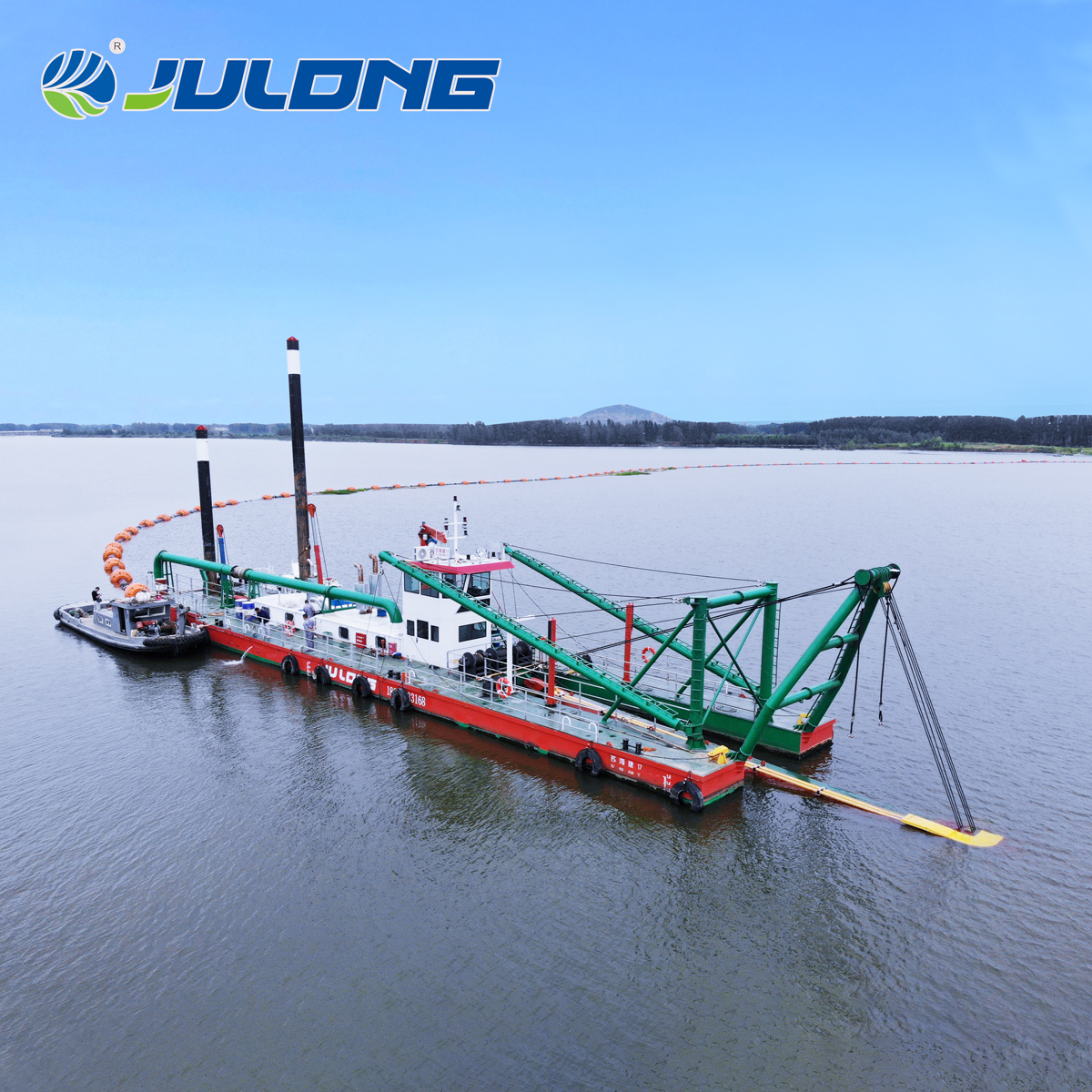
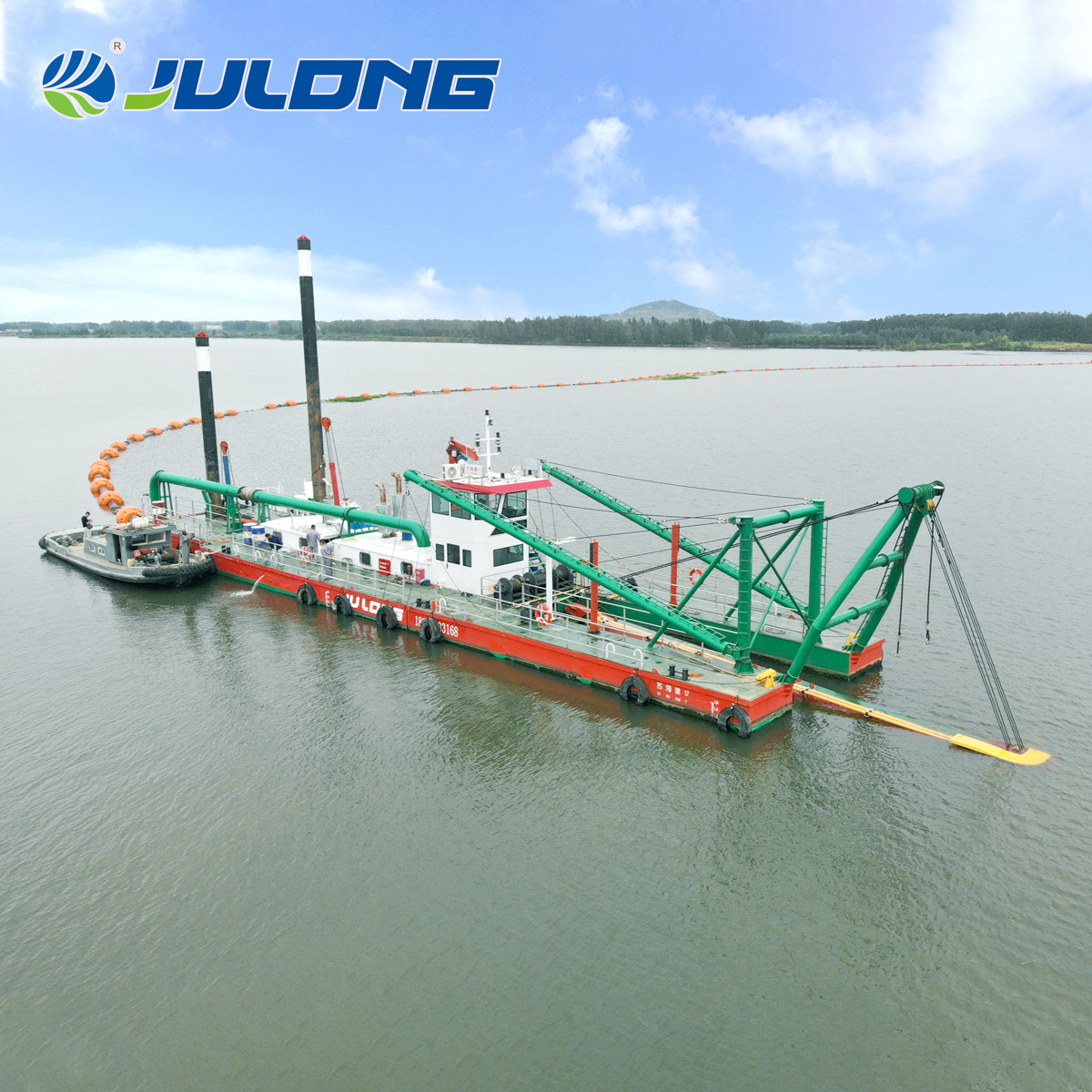
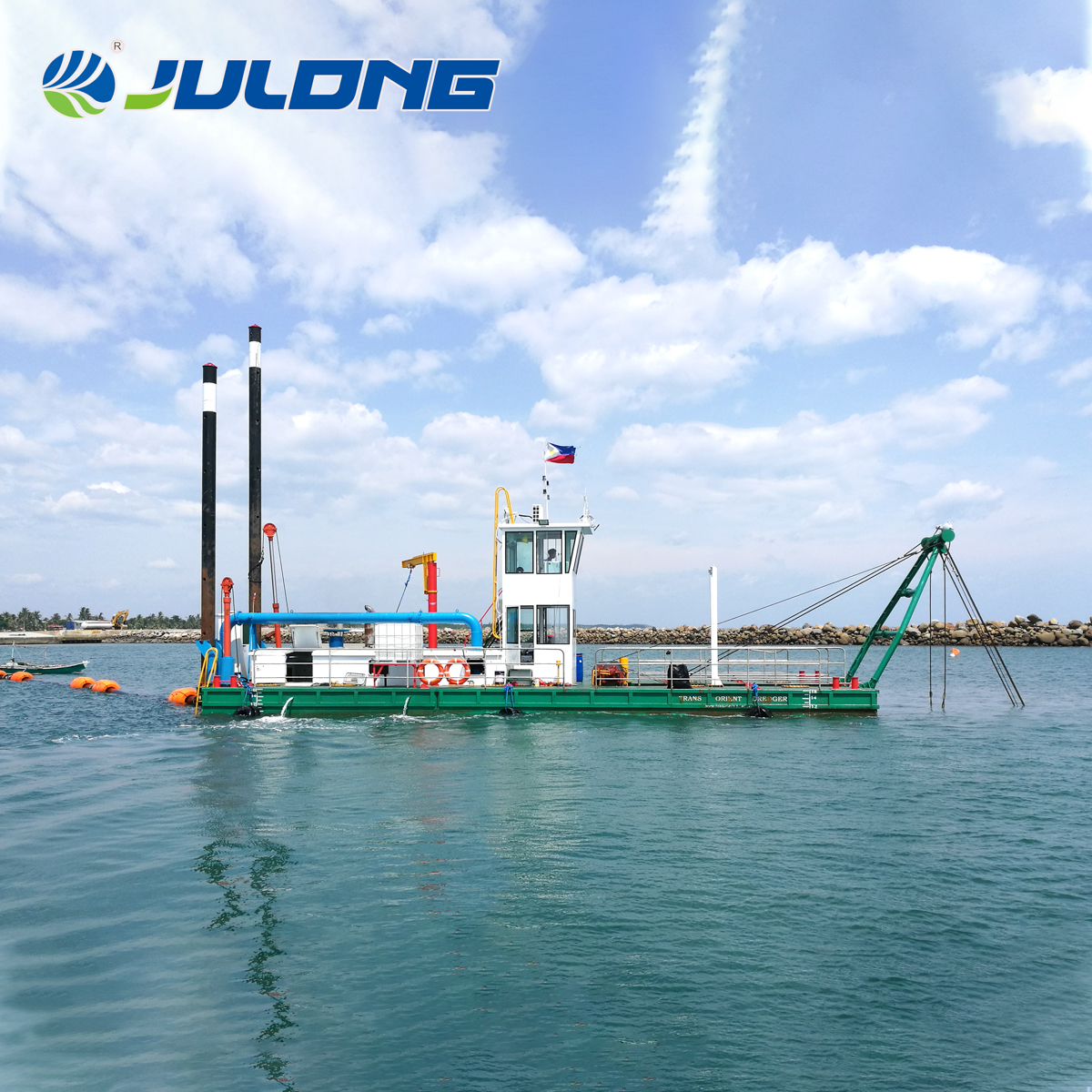
Dredge equipment for sale encompasses a variety  of machinery designed for the efficient  excavation and  removal of sediment  from  rivers,  lakes, and ports.  For  purchasing managers and engineers, selecting the right dredge equipment involves understanding specifications, quality, and supplier reliability. This article will  guide you through  key  considerations when choosing  dredging  machinery,  sourcing suppliers, installation tips,  common  machine issues, and real-world applications  to help  you  make informed  purchasing decisions.

Partnering with Trusted Dredge Equipment Manufacturers

Partnering with Trusted Dredge Equipment Manufacturers

Finding reputable suppliers for dredge equipment involves  researching manufacturers with a proven track record. Here  are some tips:

Industry Directories and Trade Shows: Utilize  industry-specific directories and attend trade shows to connect with suppliers.  This  allows  you to see the equipment firsthand and  gauge  the supplier's reputation.

Online Marketplaces:  Platforms like Alibaba or Global Sources can  be valuable for finding  suppliers. Look  for those with verified profiles and positive feedback from  previous buyers.

Manufacturer Websites: Visit the websites of manufacturers like Qingzhou  JULONG Environmental Technology Co., Ltd.  that specialize in  dredging  equipment.  They often provide detailed product information, certifications, and contact information for inquiries.

Request for Quotes (RFQs): Once you identify potential suppliers, prepare RFQs detailing your specifications and requirements. This helps suppliers provide accurate quotations  and  availability timelines.

Understanding Technical Specifications of Dredge Equipment for Sale

Understanding Technical Specifications of Dredge Equipment for Sale

Proper installation of dredge equipment  is critical to ensure optimal  performance. Here are some guidelines:

Site Assessment: Conduct a thorough site  assessment before installation.  This includes evaluating  water depth, soil  type, and potential environmental impacts.

Foundation  Preparation: Ensure the installation site has a stable foundation. Poor  ground conditions can lead to equipment instability and  operational issues.


Alignment and Leveling: During installation, make  sure the dredger is properly aligned and leveled. Misalignment can affect  the  efficiency  of dredging operations and  lead  to uneven wear on components.


Operator Training: After installation, train operators on the equipment’s functionalities and safety protocols to maximize  performance and minimize accidents.


Regular  Maintenance Checks: Implement a maintenance schedule that includes routine inspections and servicing to prevent downtime and extend the equipment's lifespan.

What to Look for in Dredge Equipment Purchases

What to Look for in Dredge Equipment Purchases

Dredging machines  can encounter various  issues that may hinder performance.  Here  are common problems and their  solutions:


Clogged Pumps:  Clogs can occur due to debris or  sediment buildup. Regularly inspect and  clean the pump systems to ensure efficient  operation. Utilizing a dredger with an efficient self-cleaning feature can  also mitigate this  issue.


Hydraulic Failures: Hydraulic  systems can fail if not properly  maintained. Ensure that hydraulic fluids are at the correct levels and replace filters as needed. Regularly check for leaks or wear in hoses  and connections.

Wear and Tear: Components like dredging heads and pumps can wear out over time.  Schedule regular inspections and replace worn parts promptly to avoid larger operational issues.

Environmental Compliance: Ensure dredging activities  adhere  to environmental regulations to avoid fines and  project delays. Work with environmental consultants if necessary to navigate compliance requirements.

Budgeting for Dredge Equipment and Accessories

Dredge equipment serves a variety of applications across different environments:

River Restoration:  Dredging  is  essential for maintaining river health by removing  sediment build-up that can alter water flow and affect aquatic ecosystems. It can also  help  restore habitats for fish and other wildlife.

Lake  Maintenance: In lakes, dredging  helps to remove  excess nutrients and sediments  that can lead to algae blooms, improving water quality and recreational opportunities.

Port Development: Dredging is critical  for maintaining navigable depths in ports,  allowing larger vessels to dock safely. This is vital for  international trade and local economies.

Infrastructure Projects: Dredging equipment is  often used in infrastructure projects like bridge construction, where sediment removal is  required to ensure proper foundation support. Additionally, using a dredger can greatly assist in these projects.

By  understanding the specific applications and capabilities  of dredge equipment, purchasing managers  and project engineers can make informed decisions that  align  with their operational needs.

Choosing the Right Dredge Equipment for Your Project Needs

When evaluating dredge equipment for sale, several key factors should be assessed:

Type of Dredger: Understand the differences between cutter suction dredgers and amphibious dredgers. Cutter suction dredgers  are ideal for deeper water and tougher materials, while  amphibious dredgers excel  in shallow waters and marshy areas. For instance, amphibious equipment can enhance operational efficiency in such environments.

Specifications: Key specifications to consider include dredging depth,  pump  capacity, and  material handling capabilities. For  instance, a dredger with  a higher pump capacity can increase efficiency in larger projects but may require more robust power sources and infrastructure.


Quality and Durability: Dredging environments can be harsh, so  materials and build quality are crucial. Look for equipment made from  high-strength steel and corrosion-resistant coatings to ensure longevity and reduce  maintenance  costs.

Customization Options: Depending  on  your project needs, you might  require specific adaptations such as different dredging heads or extended booms. Discuss customization capabilities with manufacturers to  ensure the equipment meets your operational requirements. Additionally, consider multi-function work boats for versatile applications.

Certifications and Compliance: Verify that the dredging equipment complies  with relevant international standards such as ISO and CE. This ensures that  the machinery meets safety and operational guidelines, reducing the risk of equipment failure.

Frequently Asked Questions

What types of dredge equipment do you offer?

We supply cutter suction dredgers, amphibious dredgers, and excavators designed for river, lake, and port dredging projects.
Yes. Our equipment carries ISO and CE certifications and is built for durability and efficiency to meet project demands.
We operate a 12,000 square meter facility with manufacturing and testing capabilities to support global deliveries and large projects.
Yes. We serve customers in 93 countries and offer sales, technical support, spare parts, and after-sales service worldwide.
Yes. We offer customization in specifications, power, and auxiliary systems to match site conditions and project requirements.

Get a Free Quote

Our representative will contact you soon.
0/1000