Buy Trailing Suction Hopper Dredger for Your Project

application/trailing-suction-hopper-dredger-for-sale, application/trailing-suction-hopper-dredger-for-sale, 
Inquiry
Inquiry

trailing suction hopper dredger for sale

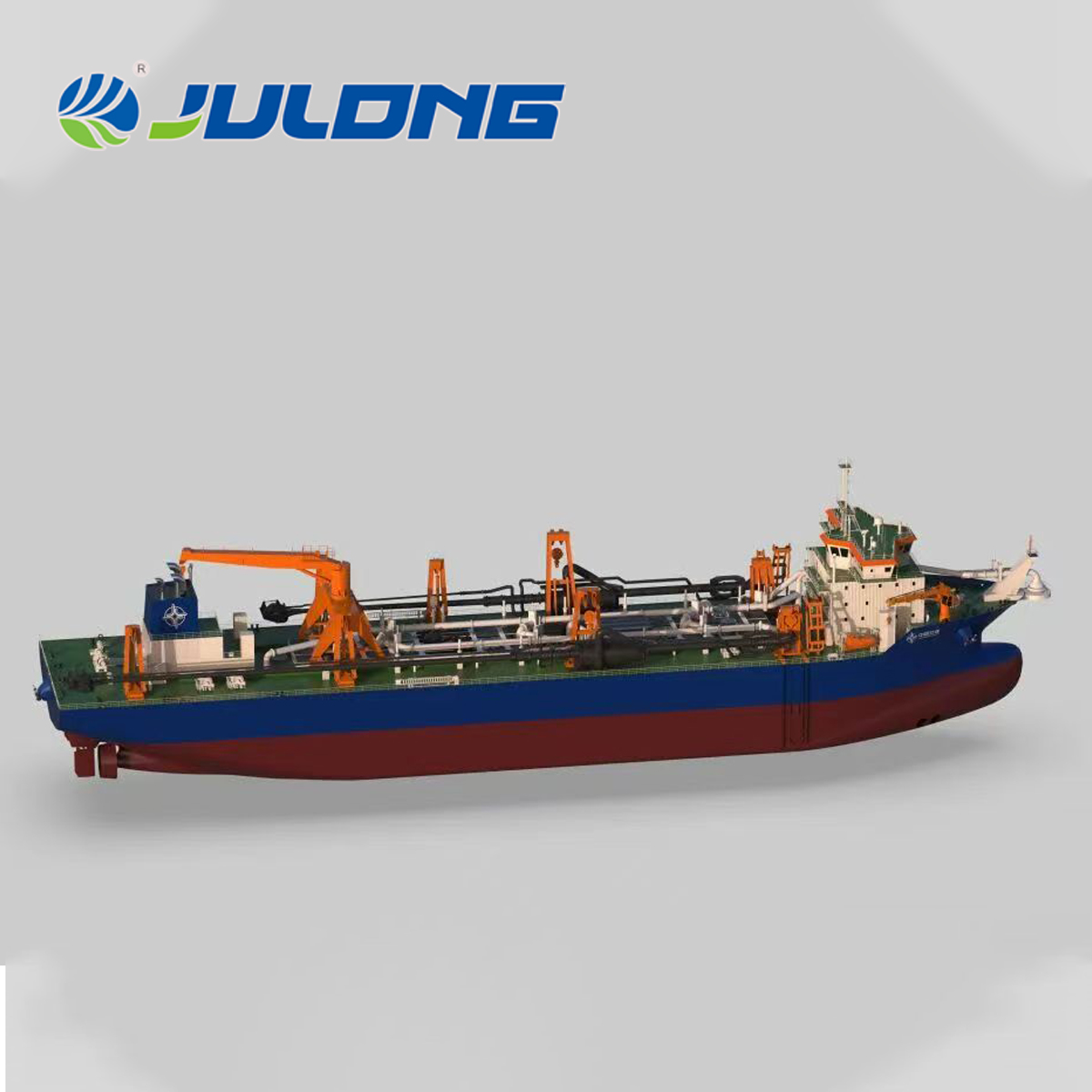
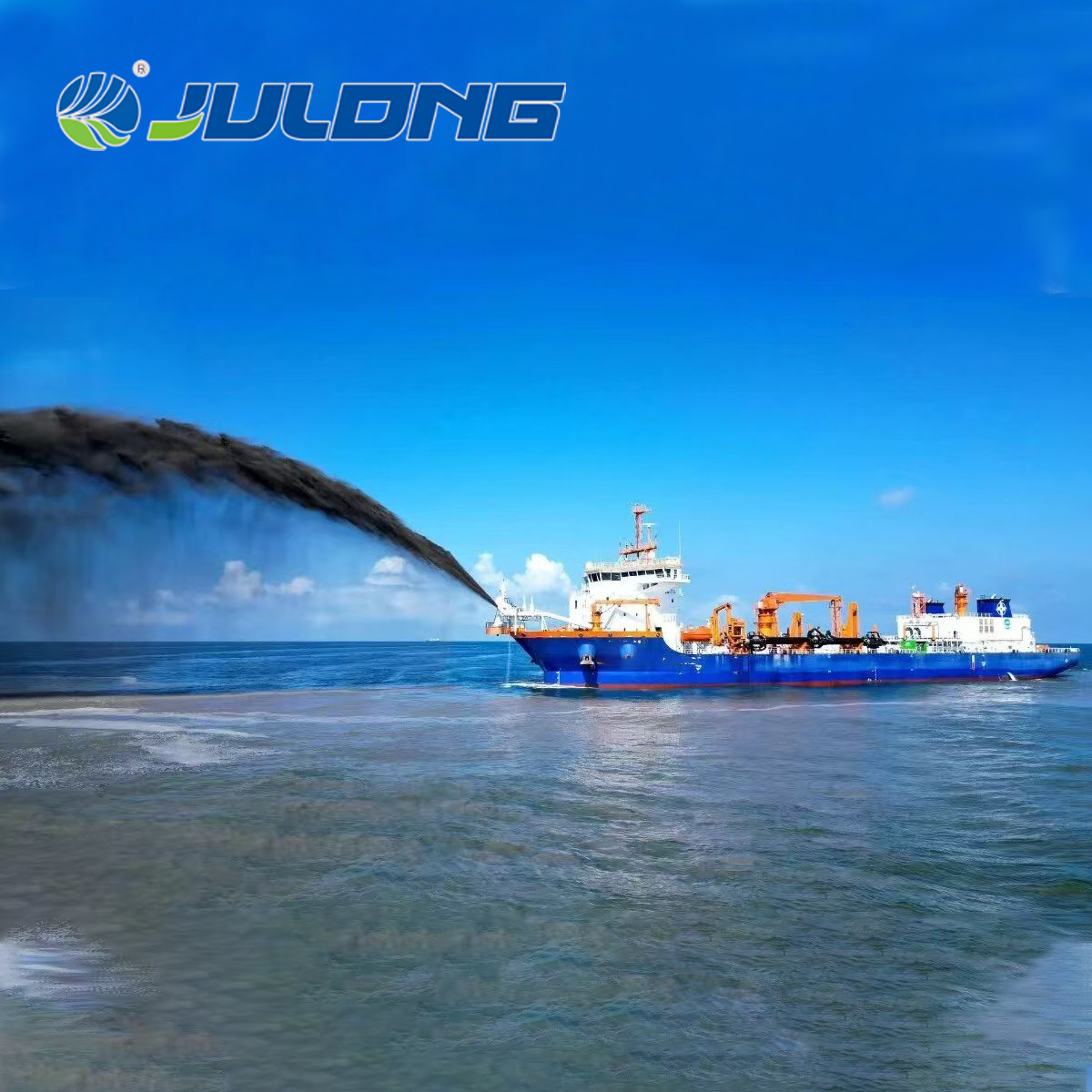
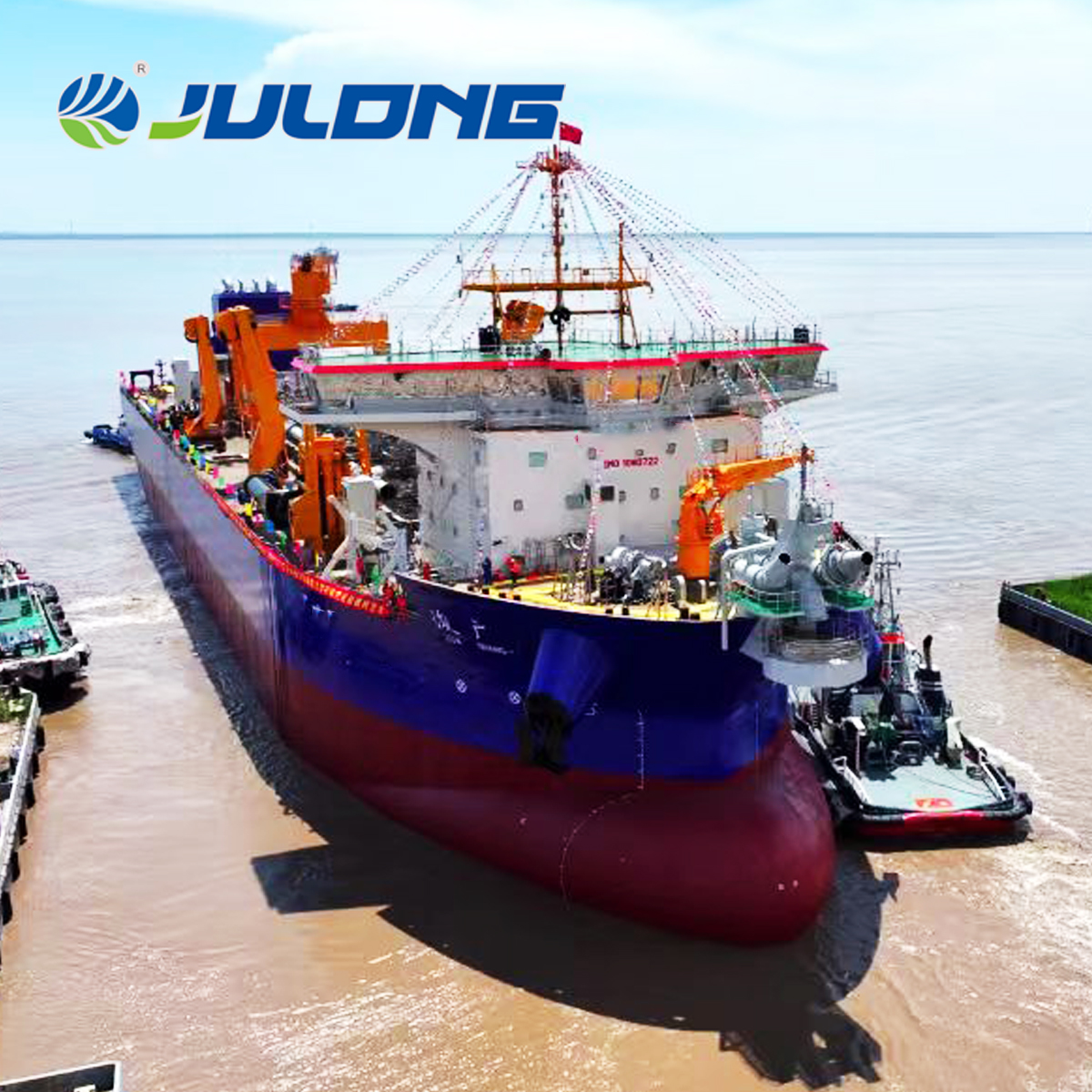
A  trailing suction hopper dredger  is  an essential piece  of equipment used in dredging operations,  particularly  for the maintenance and  construction of waterways. These vessels  are designed to excavate  material from the  seabed  or riverbed and transport it to a designated disposal site. When looking for a trailing suction  hopper dredger for sale, buyers often have specific  concerns regarding performance, durability, and cost-effectiveness. This article  will  guide you through the selection process, key specifications, common issues, installation  guidance,  and  sourcing options to  help  you make an informed purchasing decision. 

Specifications to Consider When Purchasing a Trailing Suction Hopper Dredger

Specifications to Consider When Purchasing a Trailing Suction Hopper Dredger

When purchasing a trailing suction  hopper dredger, several key specifications should be taken into account:

Hopper Capacity: Measure the  volume of material the dredger can hold. This impacts operational efficiency and the frequency of disposal  trips  required.

Suction Depth: The maximum dredging depth is vital, especially for projects in  deeper waters. Ensure the dredger can reach the required depth for effective material extraction.

Suction  Power: The power of the suction  pumps is essential for dredging different types of  materials. Consider the density and cohesiveness of the sediment to  ensure the dredger can handle it effectively.

Dimensions and Weight: The size and weight of the dredger affect its maneuverability and operational limits. Check for compatibility  with your operational area.

Engine  Specifications: A powerful and reliable engine is crucial for  consistent performance. Look for engines that meet emissions standards and provide efficient  fuel consumption.

Durability  and Construction Materials: Choose dredgers made from high-quality materials that  can withstand harsh  marine  environments. Corrosion-resistant materials enhance longevity and  reduce maintenance costs.

By carefully evaluating  these  specifications, you can make a more informed decision that aligns with your operational requirements and budget.

Common Problems with Trailing Suction Hopper Dredgers and Solutions

Common Problems with Trailing Suction Hopper Dredgers and Solutions

Trailing  suction hopper dredgers can encounter several common  issues, which, if not addressed, may lead to operational delays or inefficiencies:

Clogged Suction Pipes: Sediment build-up can obstruct suction  pipes, reducing  efficiency. Regular maintenance, including inspections  and cleaning, can  help mitigate this issue.

Mechanical  Failures: Wear and tear on pumps and engines are  common. Ensure that  regular  maintenance schedules are followed and consider investing in spare  parts to minimize downtime.

Fuel Efficiency: Dredgers can consume significant fuel, leading to high operational  costs. Look for models with advanced engine  technology that enhances fuel  efficiency and reduces emissions.

Environmental  Regulations: Non-compliance with environmental standards can result in fines and  project delays. Ensure the dredger meets all applicable regulations concerning emissions and discharge.

Operator Training: Proper operation is  crucial for maximizing  dredger efficiency. Providing  comprehensive training for operators can prevent misuse and enhance operational performance.

Addressing these issues proactively through maintenance, training, and compliance can lead  to smoother operations and better project outcomes.

Installation Guidance for Your New Trailing Suction Hopper Dredger

Installation Guidance for Your New Trailing Suction Hopper Dredger

Installing a  trailing suction hopper dredger involves several critical steps to ensure optimal performance:

Site  Assessment: Before installation,  conduct a thorough  site assessment  to identify potential challenges, such as water depth, sediment type, and  environmental regulations.

Transport and Launching: Ensure that the dredger is transported according to manufacturer specifications.  Consider the launching method, whether it  will  be launched  from a dry dock or directly into the water.

Connection to  Power and Systems: Connect the dredger to power sources and ensure that all systems, including hydraulic and  electrical, are properly configured. Test all systems before commencing operations.

Operator Training: Provide training for operators on the dredger's specific systems  and safety  procedures. This training should cover emergency protocols and standard operating procedures.

Initial Testing: Conduct initial  operational tests to ensure all systems function correctly. Monitor performance during the first few  operating  hours to identify  any potential issues.

Following these steps can help ensure  a smooth  installation process and maximize the dredger's operational efficiency.

Where to Source High-Quality Trailing Suction Hopper Dredgers Wholesale

Sourcing  high-quality trailing suction hopper  dredgers involves identifying  reliable manufacturers and suppliers. Here are some  recommendations on where to start:

Direct Manufacturers: Purchasing directly from manufacturers, like Qingzhou JULONG Environmental Technology Co., Ltd.,  ensures that you receive products built to  high standards. Manufacturers often provide customization options to meet specific project  needs.

Industry Trade Shows: Attending industry trade shows can help you connect with multiple suppliers and see their products firsthand. This also provides an opportunity to discuss specifications and pricing in real-time.

Online Marketplaces: Websites specializing in industrial equipment often  list various suppliers and product options. Look for verified  listings and read reviews to assess supplier reliability.

Referrals and Recommendations: Networking within  the industry can lead  to referrals to  reputable suppliers. Consult with peers  or industry associations  for  recommendations based on their experiences.

Quality Certifications: Ensure that the suppliers you consider hold relevant quality certifications,  such as ISO or CE, which indicate adherence to international standards and commitment to quality. If you are looking for a reliable source, consider the Workboat Tugboat Manufacturer for your dredging needs.

By exploring these options, you can find a reliable  source for high-quality trailing suction  hopper dredgers  that meet your operational requirements.

How to Choose the Right Trailing Suction Hopper Dredger for Your Needs

Selecting  the right trailing suction hopper dredger depends on several factors,  including the specific application, the type of material  to be dredged, and the operational environment. For instance,  if you are  dredging in  a confined  space or shallow waters, you  may require a compact dredger with  a smaller draft. Conversely, for larger  projects in open waters, a more extensive and powerful dredger may be necessary.

Additionally, consider the  hopper capacity,  which affects the volume of material that can be  transported  in a single trip. Smaller dredgers  are typically more agile but have  lower capacities, while larger ones can cover more extensive areas but may be less maneuverable. Assessing the dredging depth and the required suction power is also  crucial, as it determines the dredger's effectiveness  in various sediment types. If you're interested in high-capacity options, you might explore the High Capacity 2500m3/h Cutter Suction Dredger CSD400 for your needs.

In summary, evaluate your project's  unique requirements, including operational constraints, environmental conditions, and budget, to select the most suitable trailing  suction hopper dredger.

Frequently Asked Questions

What is a trailing suction hopper dredger?

A trailing suction hopper dredger (TSHD) is a vessel that uses suction pumps and dragheads to collect sediment into onboard hoppers for transport and disposal or beach nourishment.
Yes. We manufacture TSHDs suited for rivers, lakes, ports, and coastal projects, designed for efficient dredging and sediment handling.
We hold ISO and CE certifications and operate a 12,000 m² facility, ensuring quality manufacturing and reliable delivery.
Yes. We offer customization of hopper size, pump capacity, propulsion, and onboard systems to meet project-specific requirements.
We serve 93 countries and provide technical support, parts supply, installation guidance, and after-sales maintenance assistance.

Get a Free Quote

Our representative will contact you soon.
0/1000