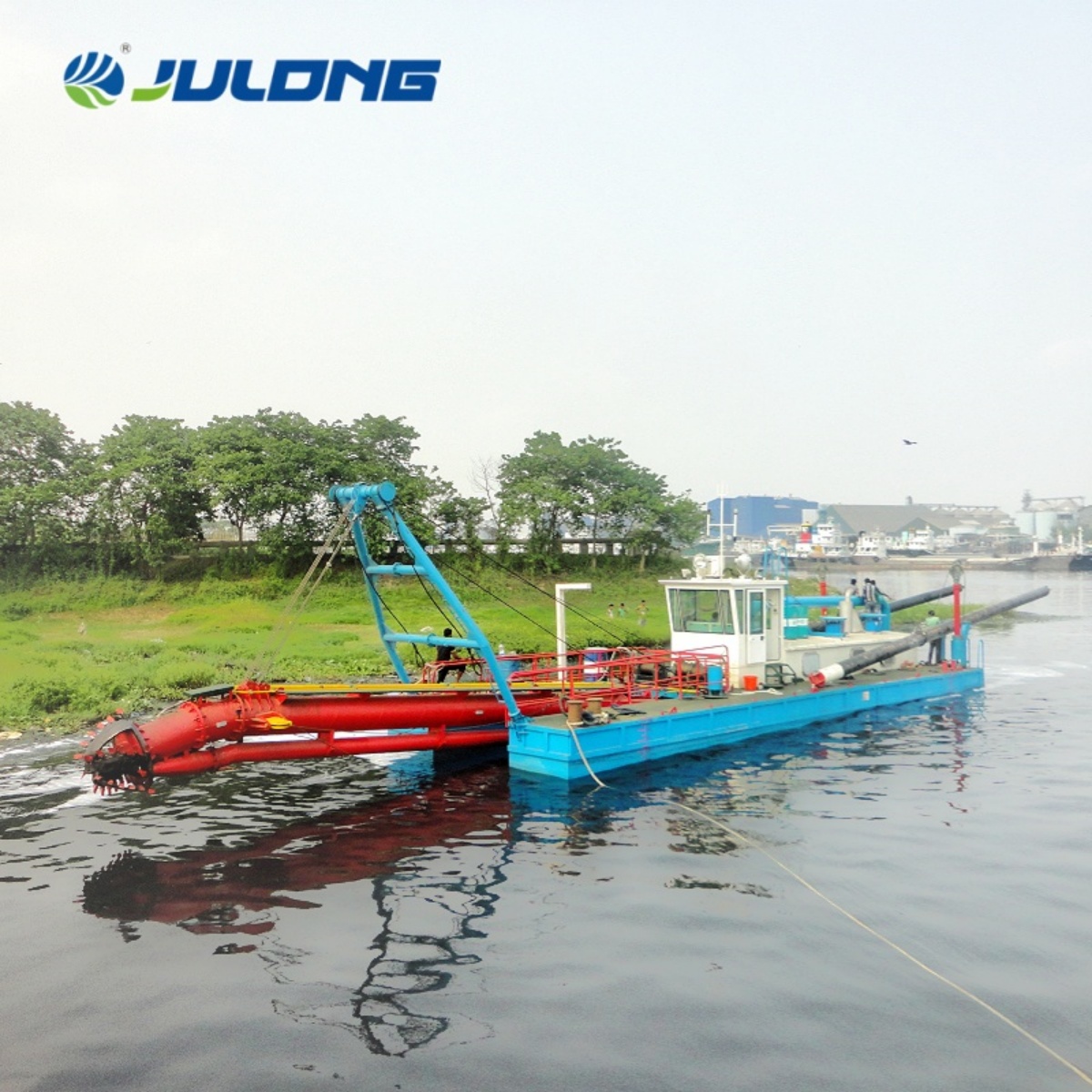
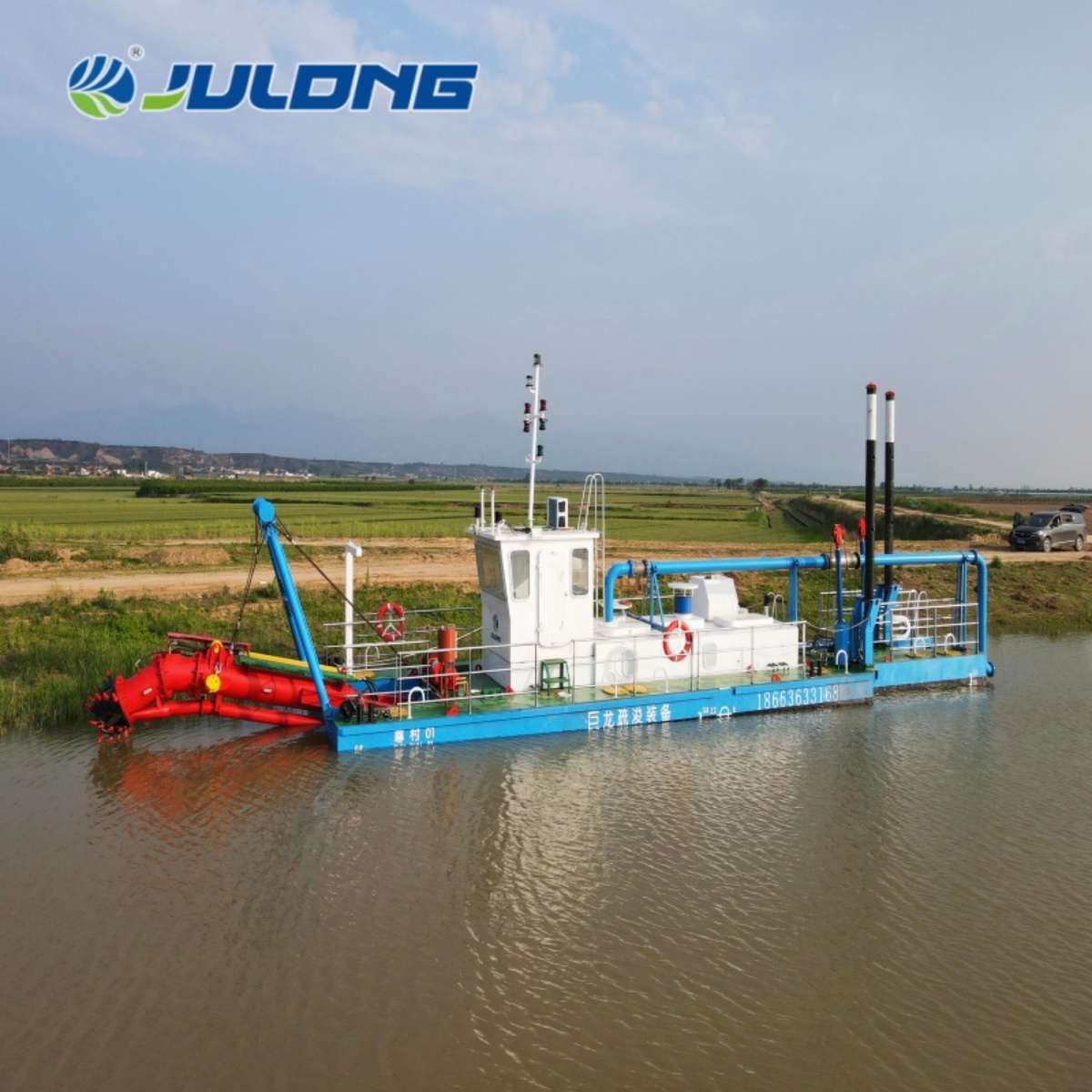
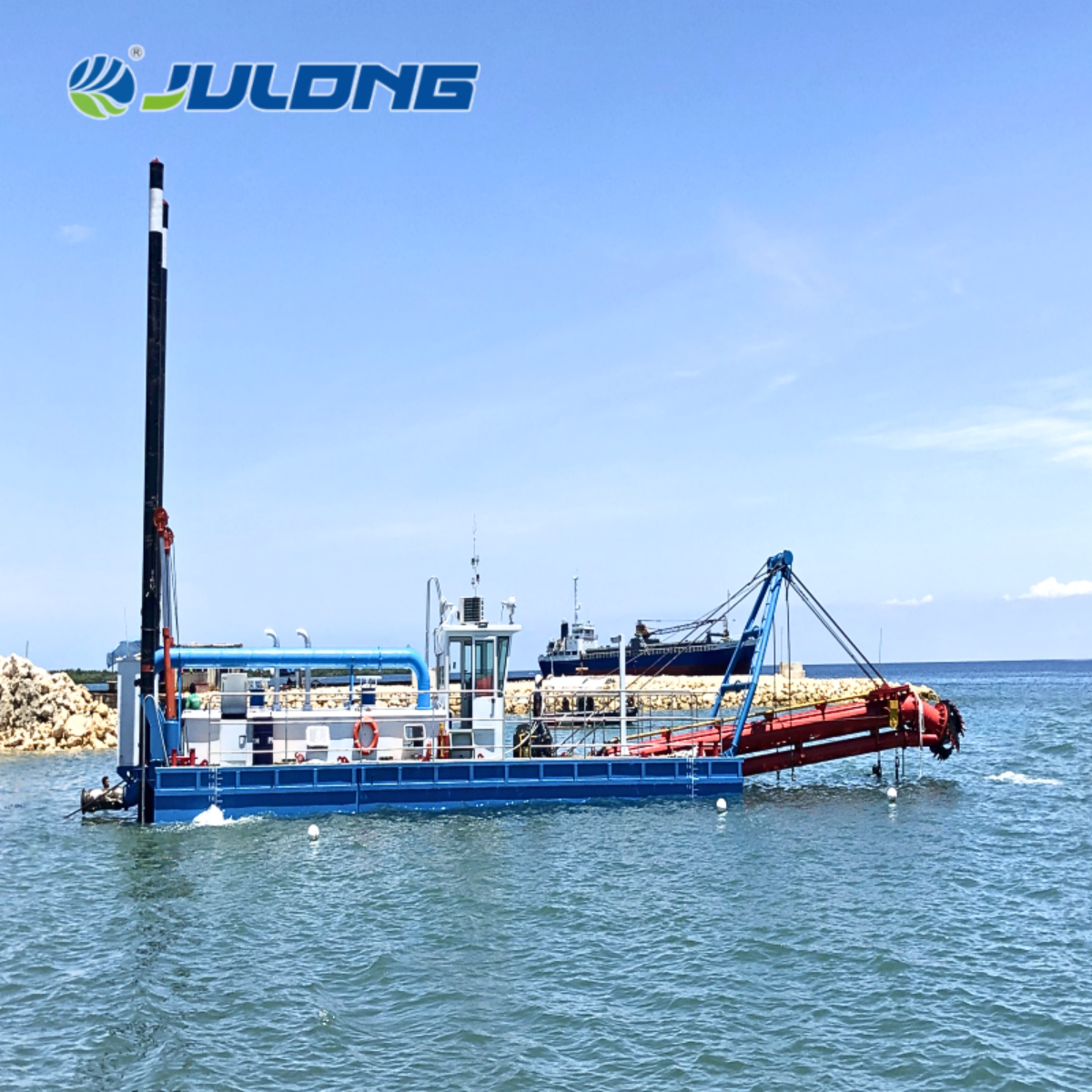
Quality Sand Dredging Equipment for Sale

application/sand-dredging-equipment-for-sale, application/sand-dredging-equipment-for-sale, 
Inquiry
Inquiry

sand dredging equipment for sale

When considering  sand dredging equipment for sale, buyers  face numerous  challenges, including  understanding product specifications, determining  the best  application,  and ensuring  quality. This article  aims to provide valuable insights into selecting the  right sand dredging  equipment,  evaluating suppliers, and addressing common issues, allowing purchasing managers, engineers,  and other professionals  to make  informed  decisions in  their  procurement  process.

 
Where to Find Reliable Suppliers of Sand Dredging Equipmen

Where to Find Reliable Suppliers of Sand Dredging Equipmen

Finding  trustworthy suppliers of  sand dredging equipment is critical to ensuring quality and reliability. Here are  some strategies to  identify  reputable manufacturers:

Industry Directories and Trade Shows:  Utilize online industrial directories and attend trade  shows dedicated to  dredging  and construction equipment.  These platforms often  showcase manufacturers with established reputations and products that meet international standards.

Certifications and Compliance: Verify that suppliers  hold relevant certifications, such as ISO and CE, which indicate adherence to quality and safety standards. This helps ensure that  the equipment meets your operational and regulatory requirements.


Supplier Reputation and Reviews: Research  online reviews and testimonials from previous customers. This can provide insights into the supplier's reliability, product performance,  and after-sales service.

Direct Inquiries: Contact suppliers directly  to discuss  your needs, request product catalogs, and inquire about their manufacturing capabilities. This initial communication can also  reveal their responsiveness and  customer service quality.

Evaluating the Quality of Sand Dredging Equipment for Your Projects

Evaluating the Quality of Sand Dredging Equipment for Your Projects

Quality evaluation is crucial  when selecting  sand dredging equipment. Here are key factors to assess:

Material and Construction: Assess the materials used in the equipment's construction. High-quality steel  and corrosion-resistant coatings are essential for longevity, particularly in harsh aquatic  environments.


Quality Control Processes: Inquire about the manufacturer's quality control measures during production. Robust  inspection processes can  significantly reduce  the likelihood of operational  issues post-purchase.

Performance Testing: Before finalizing your order, ensure  that the equipment has undergone rigorous  performance testing. Request performance  data or case studies demonstrating  the equipment's effectiveness in  similar applications.


Sample Approval: Consider  requesting  a sample or a smaller unit to evaluate performance under real-world conditions before committing  to  a large order. This allows you to verify dimensions,  functionality, and usability.

Installation Guidance for Efficient Sand Dredging Equipment Use

Installation Guidance for Efficient Sand Dredging Equipment Use

Proper installation of sand dredging  equipment  is vital for optimal performance. Here are key steps to ensure efficiency:

Site  Preparation: Prior to installation, conduct a thorough  site assessment  to understand the terrain and any potential challenges. This includes  examining water depths, soil types, and environmental considerations.


Manufacturer Instructions: Follow the installation guidelines provided by the manufacturer closely. This  includes specifications  for positioning, anchoring, and connecting  hydraulic or electrical systems. Misalignment  can lead to operational inefficiencies or equipment damage.

Training Operators:  Ensure  that operators are well-trained in the equipment's operation and maintenance. Familiarity with the dredger's controls and features can significantly enhance productivity  and  safety.


Regular Maintenance Checks: Schedule regular maintenance and inspections  post-installation to  ensure that all components function correctly. This  proactive approach helps in  early identification of potential issues.

Common Problems with Sand Dredging Equipment and Solutions

Despite careful selection and installation, sand dredging equipment can  encounter issues. Understanding these problems and  their  solutions is essential for successful operation:

Clogged  Pumps:  One of the most common problems is clogging in the pump system,  often caused by debris or unsuitable materials. Regular monitoring and the use of appropriate screening can help prevent this issue.

Hydraulic Failures: Hydraulic systems are prone to leaks  or failures if not properly maintained.  Regular checks on hydraulic fluid levels and  hose integrity can mitigate this risk.

Wear and Tear: Continuous  operation can lead to  wear on wear plates and other components. Implementing a routine maintenance schedule that includes replacing  worn parts can extend the equipment's lifespan.

Operator Error: Mismanagement of  the dredging process  can lead to suboptimal performance. Regular training and refresher courses for operators can reduce human error and  improve operational efficiency.

By  focusing  on these considerations, purchasing managers and project engineers can make informed decisions about sand dredging equipment for sale, ensuring that they  choose  reliable, efficient  solutions that meet their specific project requirements.

Choosing the Right Sand Dredging Equipment for Wholesale Orders

Selecting the appropriate sand dredging equipment involves several factors  that cater to specific project requirements. Key  considerations include the type  of dredger—cutter suction dredgers, amphibious dredgers, or excavators—each designed for different environments and applications. For instance, if you are looking for a high-capacity option, the JLCSD700 Cutter Suction Dredger – 7,000 m³/h Heavy-Duty Hydraulic Dredging Vessel might be an ideal choice.


Project Requirements: Identify the specific needs of your project, such as  the depth of  dredging, the type of material to be excavated, and the location (river, lake, or  port). For instance, if working in shallow  waters or marshy areas, an  amphibious dredger may be more suitable. A good example of a versatile option is the JLWB1600 Multi-function Work Boat.

Specifications and  Performance: Evaluate the  dredging capacity (measured  in cubic meters per hour), pump power,  and the equipment's overall durability. For example, high-performance pumps are crucial for effective material  removal,  while robust construction materials enhance the machine's longevity.

Customization Options: Consider whether customization  is necessary to meet unique project  specifications. Many manufacturers,  including  Qingzhou JULONG Environmental Technology Co., Ltd., offer tailored solutions that include  specific dimensions, additional features, or modifications to suit particular operational environments.

Frequently Asked Questions

What sand dredging equipment do you offer?

We supply cutter suction dredgers, amphibious dredgers, and excavator-mounted dredging units tailored for river, lake, and port projects.
Yes. Our equipment carries ISO and CE certifications and is built for durability and long-term field performance.
We support small restoration to large-scale port works with scalable models and custom configurations to match project scope.
Yes. We offer installation guidance, commissioning, operator training, and remote or on-site technical support throughout project delivery.
Absolutely. We customize propulsion, cutter heads, pumps, and flotation systems to suit sediment type, water depth, and access conditions.

Get a Free Quote

Our representative will contact you soon.
0/1000