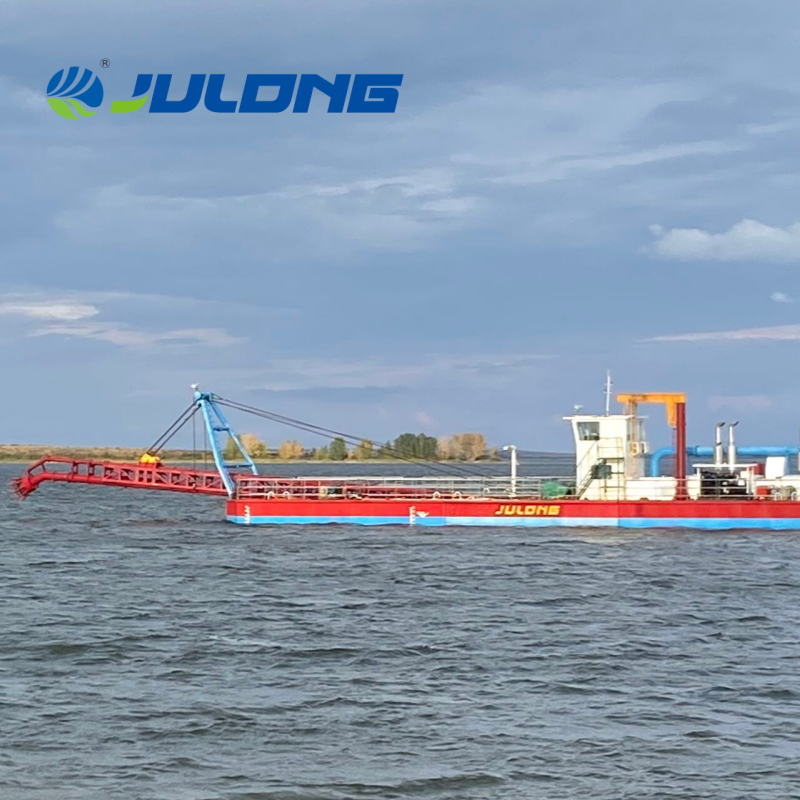
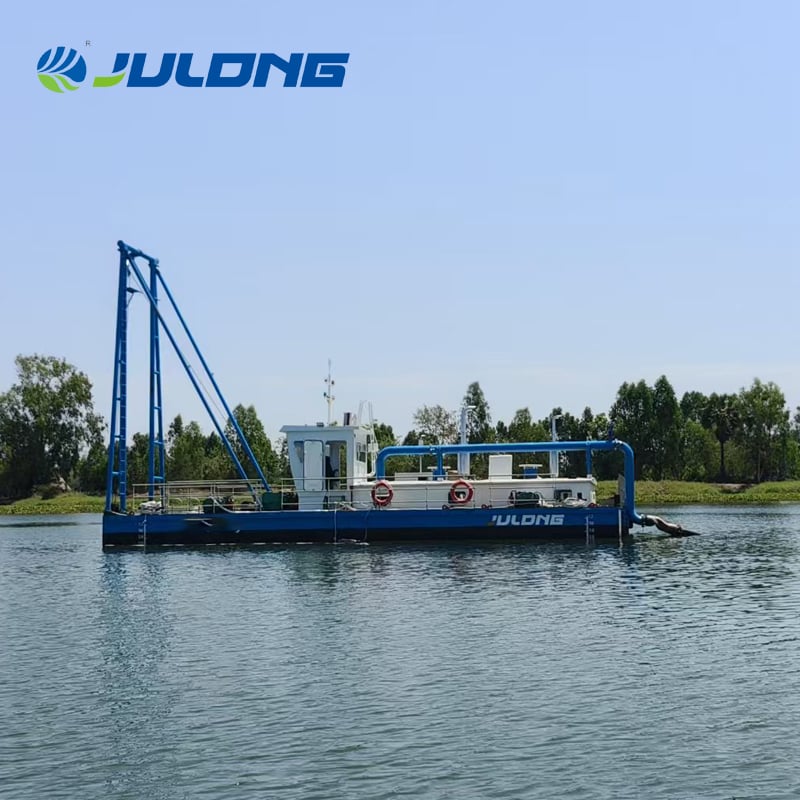
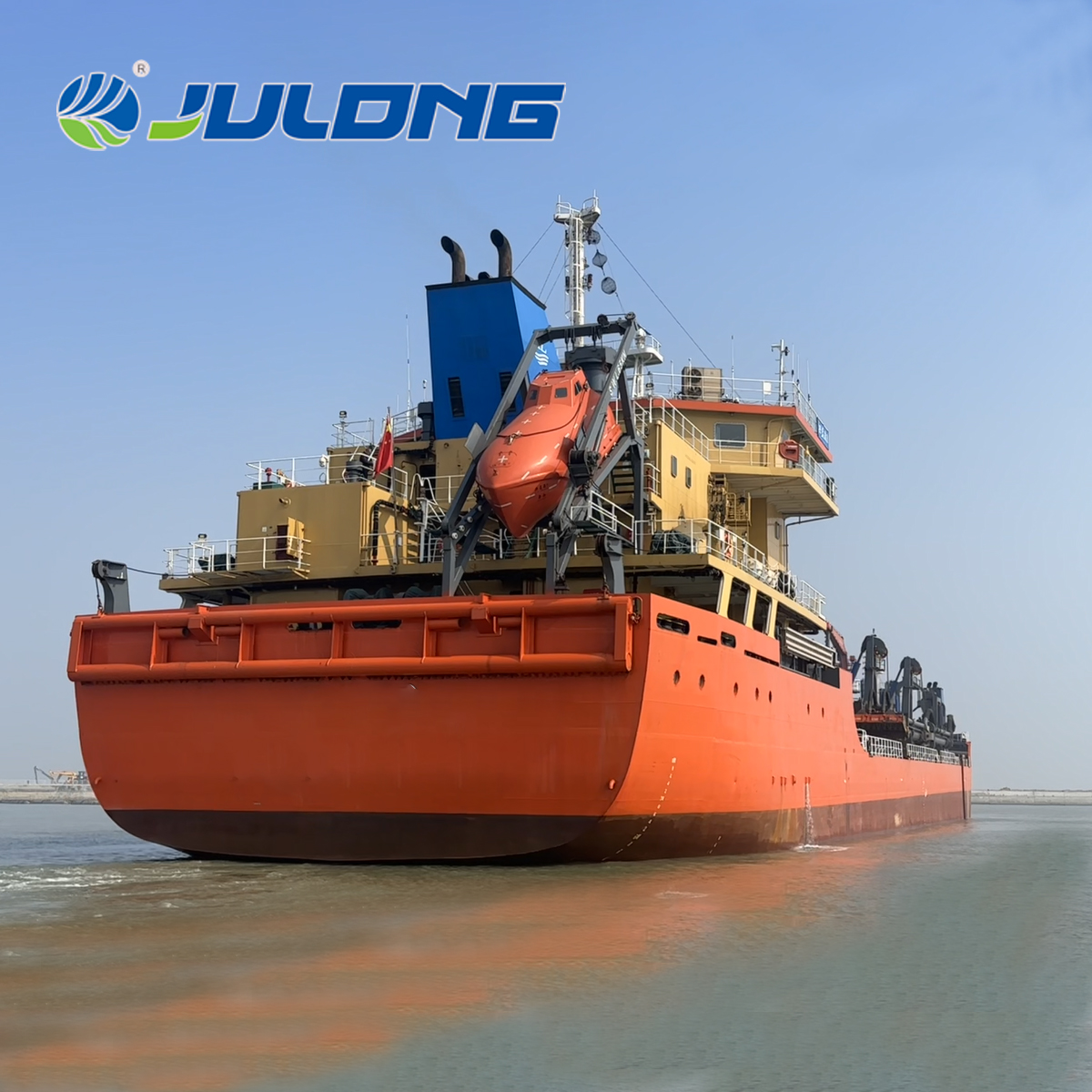
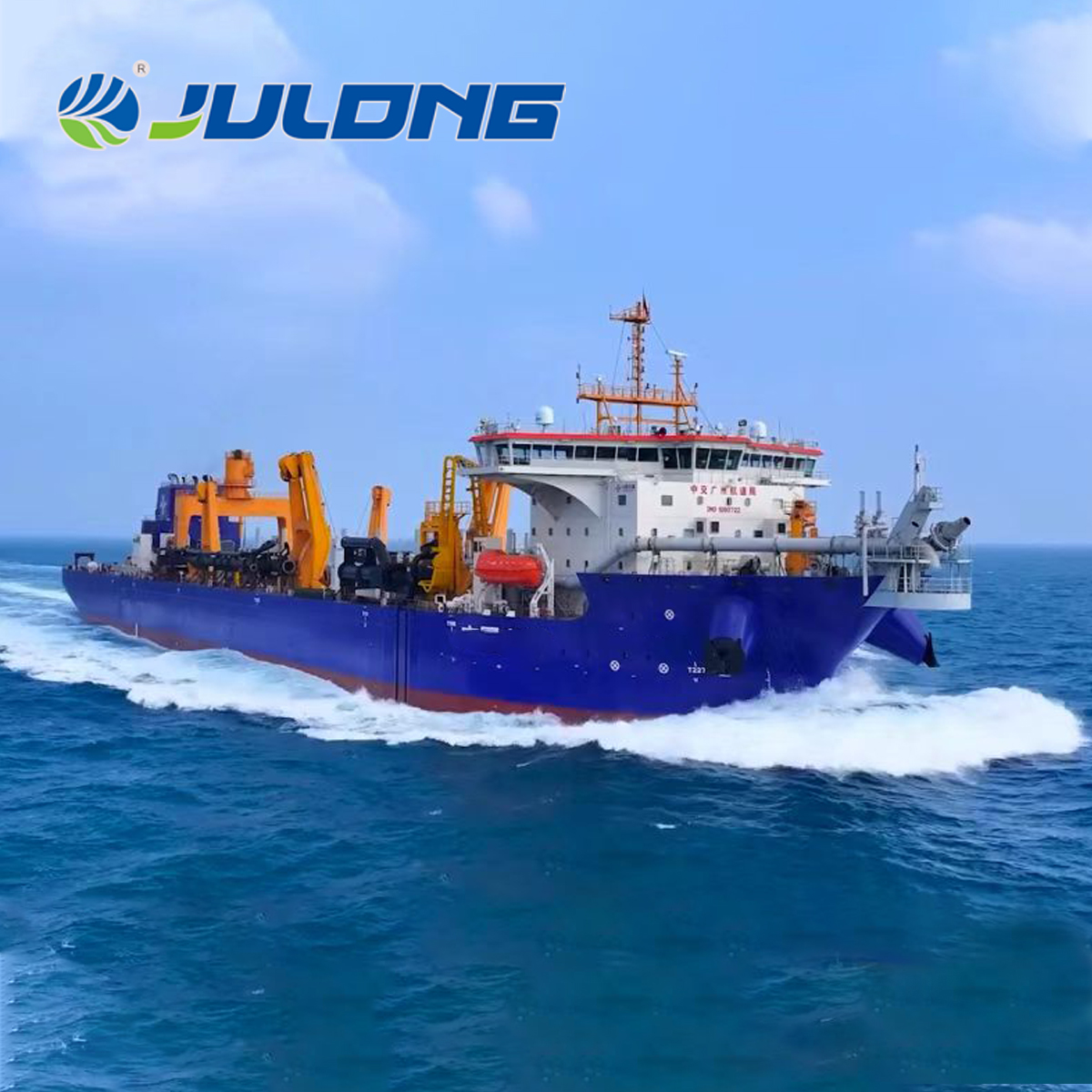
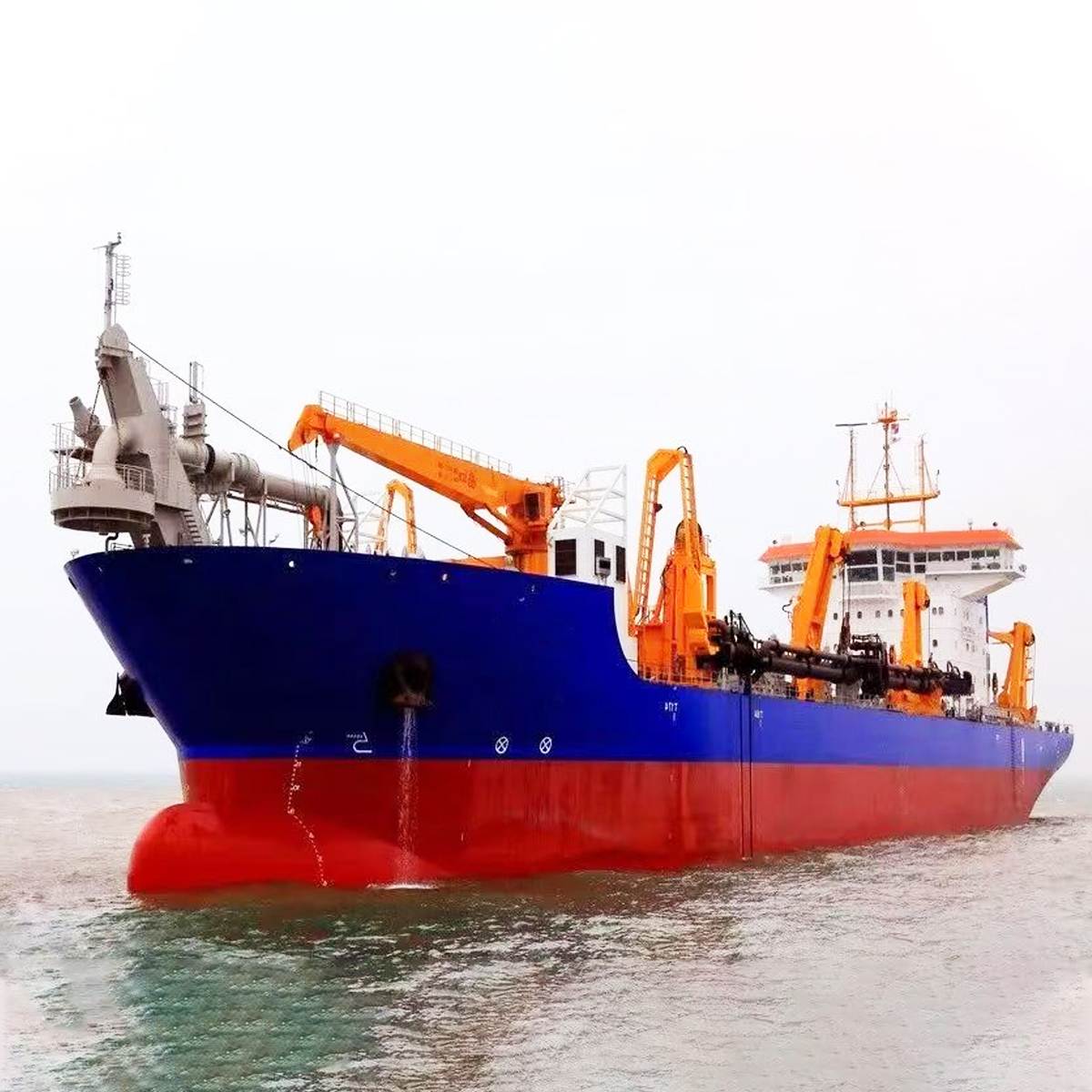
Reliable TSHD Dredgers for Sale: Key Insights

application/tshd-for-sale, application/tshd-for-sale, 
Inquiry
Inquiry

Tshd for sale

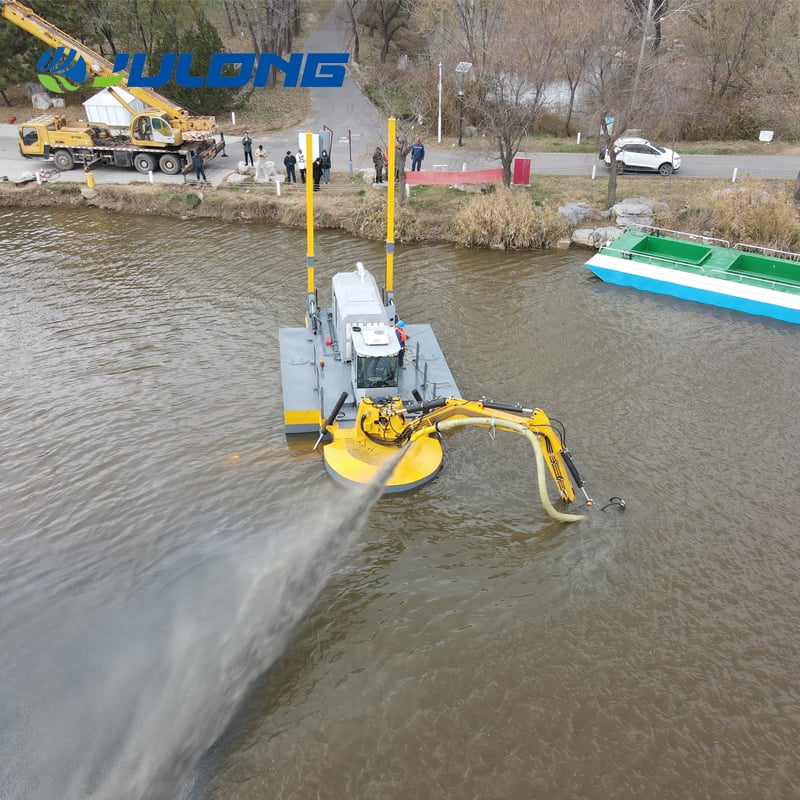
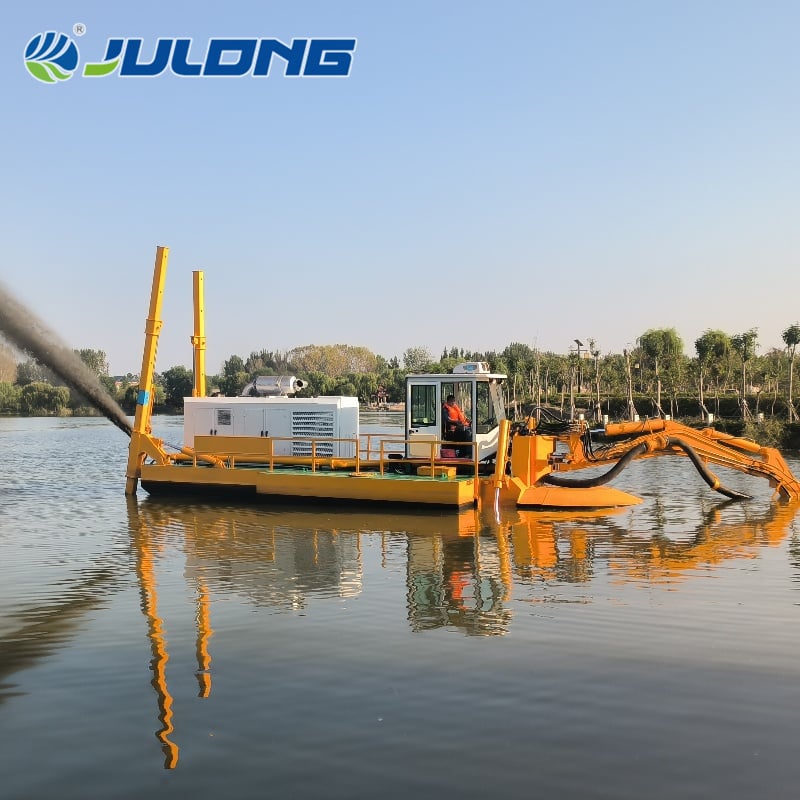
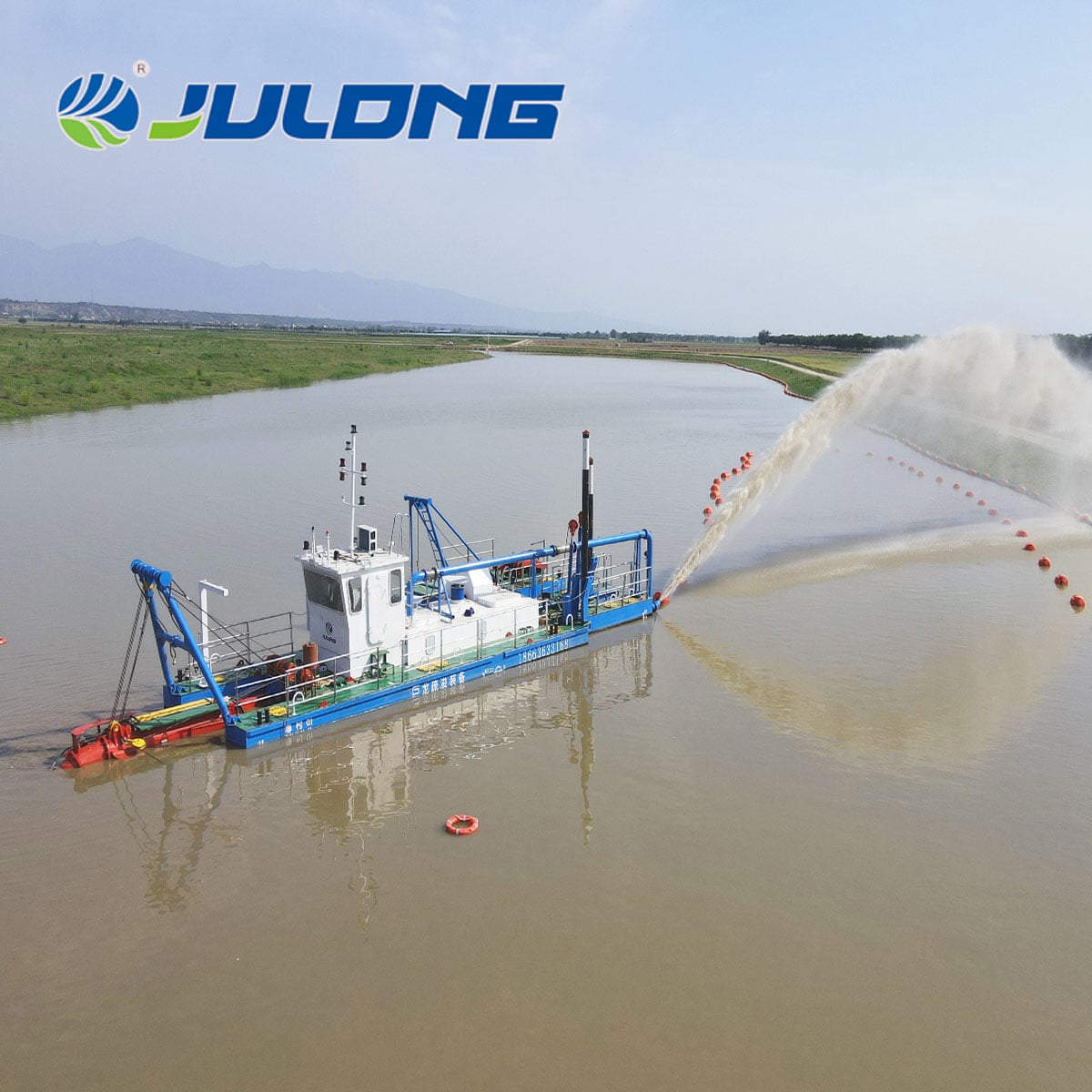
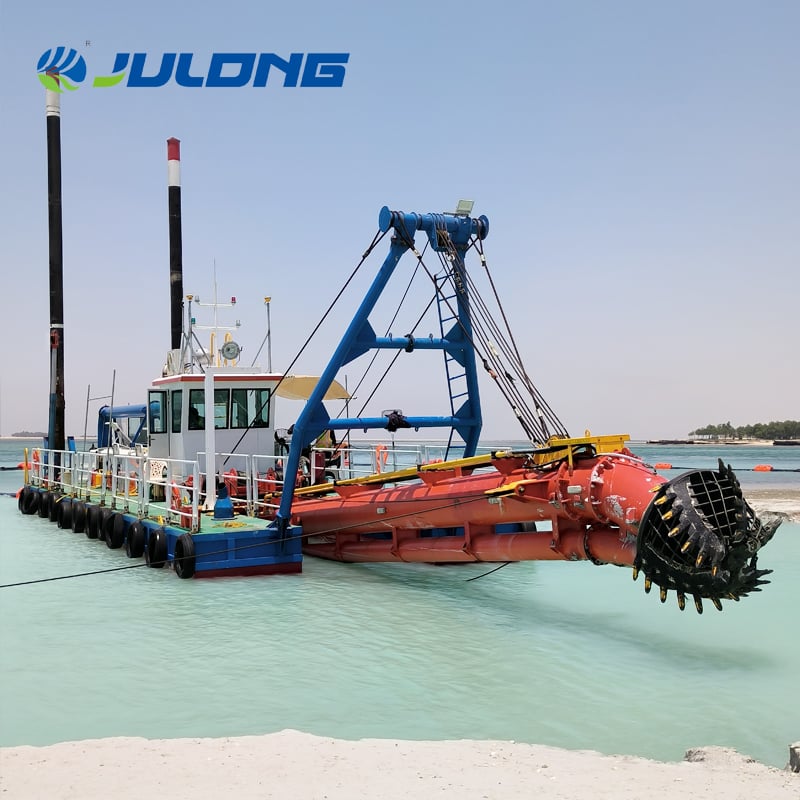
When looking for TSHD (Trailing Suction Hopper Dredger) for sale, it's essential to understand the complexities of these sophisticated machines, particularly how they fit into your specific project requirements. As a purchasing manager or engineer, you may have concerns about the reliability of suppliers, potential costs, installation processes, common operational issues, and the applications of trailing suction hopper dredger tshd in various dredging projects. This article aims to provide you with practical insights and guidance to help you make informed purchasing decisions regarding TSHD dredgers. 

Cost Factors to Consider for Bulk Orders of TSHD

Cost Factors to Consider for Bulk Orders of TSHD

When considering bulk orders of TSHD dredgers, several cost factors come into play. The price per unit often decreases with larger orders, but this is not the only aspect to evaluate. 

Material and Construction Quality: High-quality materials may incur higher initial costs but result in longer-lasting dredgers. Assess the specifications, such as hull thickness and materials used, to ensure they align with your operational demands. 

Customization: If your project requires specific configurations, customization can add to the installation guidance overall cost. Discuss your needs with the supplier to understand how customization affects pricing. 

Transportation and Logistics: Shipping costs can significantly impact the total price, especially for large machinery like dredger. Factor in the geographical location of the supplier and your project site when calculating logistics. 

Maintenance and Operational Costs: While evaluating initial purchase costs, consider ongoing maintenance expenses. A more durable dredger may have higher upfront costs but lower total costs over its lifespan due to reduced maintenance requirements. 

Lead Time: Suppliers with shorter lead times may charge a premium, but this could be necessary for urgent projects. Balance the urgency with your budget when making decisions. 

Installation Guidance for Efficient Use of TSHD Dredgers

Installation Guidance for Efficient Use of TSHD Dredgers

Proper installation of TSHD dredgers is crucial for maximizing efficiency and minimizing operational issues. Here are key considerations: 

Site Preparation: Ensure that the installation site is adequately prepared. This includes assessing water depth, soil conditions, and accessibility for transportation and assembly. 

Technical Training: Work with the supplier to arrange for technical training for your team. Familiarity with the specific controls and systems of the TSHD is vital for safe and effective operation. 

Initial Calibration: After installation, conduct a thorough calibration of the dredger systems. This includes adjusting the dredging depth and ensuring that all hydraulic systems function correctly. 

Safety Protocols: Establish safety protocols before operation begins. This installation guidance should include emergency procedures and regular safety drills to ensure the crew is prepared for any situation. 

Post-Installation Support: Engage with your supplier regarding post-installation support, including troubleshooting and maintenance guidelines to ensure the dredger operates efficiently. 

Common Problems with TSHD and Effective Solutions

Common Problems with TSHD and Effective Solutions

While TSHD dredgers are robust machines, they can encounter common issues that may affect performance. Here are some typical problems and their solutions: 

Clogging of Suction Systems: This can occur due to debris or sediment buildup. Regular maintenance and cleaning schedules should be established to prevent clogs. Additionally, ensure that the suction head is appropriately designed for the expected material types. 

Hydraulic System Failures: Hydraulic systems are critical for dredger functionality. Regular inspections should be scheduled to check for leaks and wear. Use quality hydraulic fluids as specified by the manufacturer to prevent operational failures. 

Electrical Issues: Electrical malfunctions can halt operations. Regular testing of installation guidance electrical systems and connections can help identify problems early. Ensure that your team is trained to troubleshoot basic electrical issues. 

Operational Inefficiencies: Performance can drop if the dredger is not operated within its specified parameters. Operators should be trained to understand the optimal operating conditions and limitations of the dredger. 

Maintenance Oversight: Neglecting regular maintenance can lead to larger, costlier repairs. Implement a strict maintenance schedule based on the manufacturer's recommendations. 

Applications of TSHD in River, Lake, and Port Projects

TSHD dredgers serve critical roles in various applications across rivers, lakes, and ports. Here are some key uses: 

Channel Deepening: In ports, TSHD dredgers are often used to deepen navigation channels to accommodate larger vessels. This ensures that shipping routes remain accessible and safe. 

Land Reclamation: TSHD dredgers are instrumental in land reclamation projects, where material is excavated and transported to create new land areas, particularly in coastal regions. 

Sediment Management: In lakes and rivers, TSHD dredgers help manage sediment build-up, which can affect water quality and aquatic habitats. Regular dredging can help maintain ecological balance. 

Construction Support: During the construction of bridges, docks, and other installation guidance infrastructures, suction dredger dredgers provide essential excavation support, ensuring that construction sites are prepared adequately. 

Environmental Remediation: TSHD dredgers can be employed in environmental remediation projects to remove contaminated sediments, contributing to the restoration of affected water bodies. 

By understanding the applications and operational considerations of TSHD dredgers, you can better assess how they fit into your specific project needs. 

Where to Find Reliable Suppliers for TSHD Dredgers

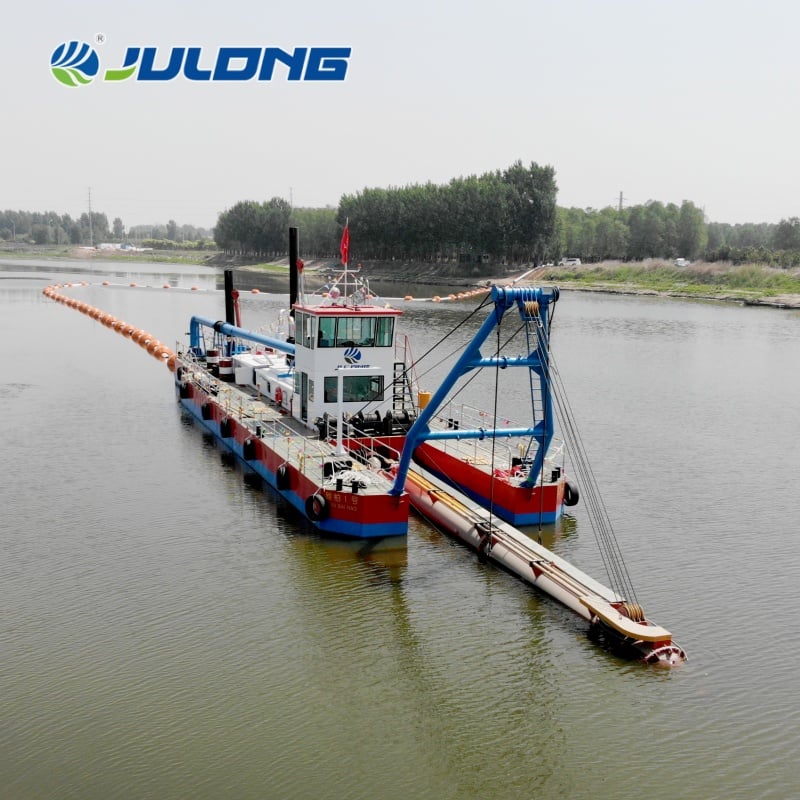
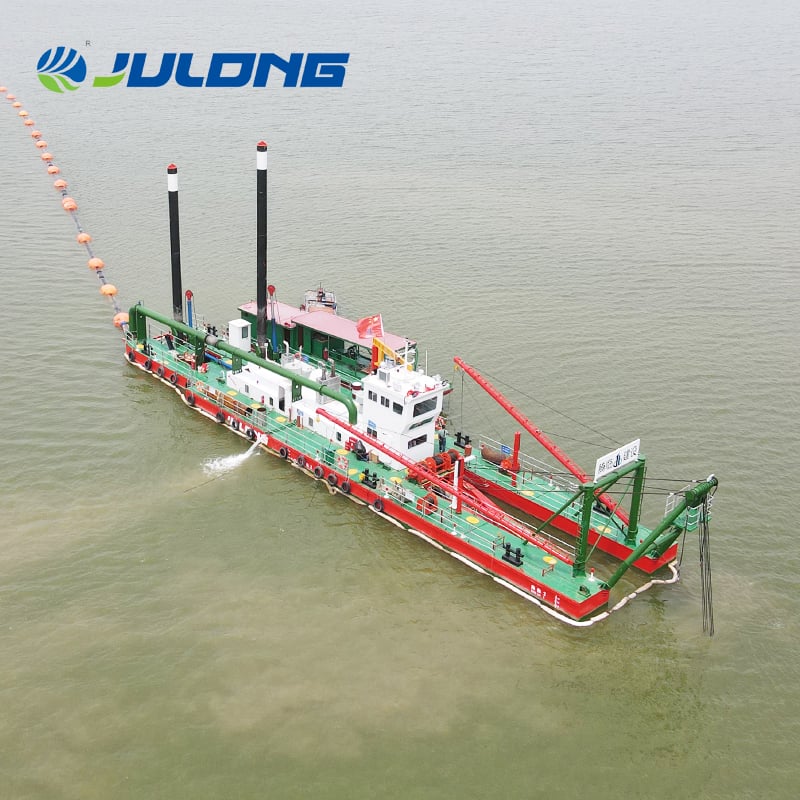
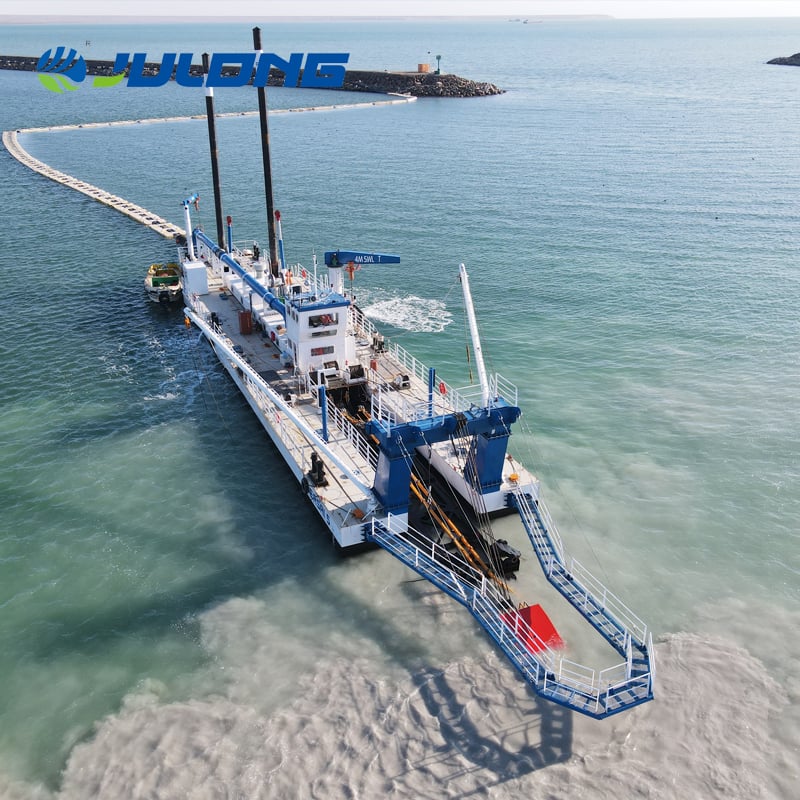
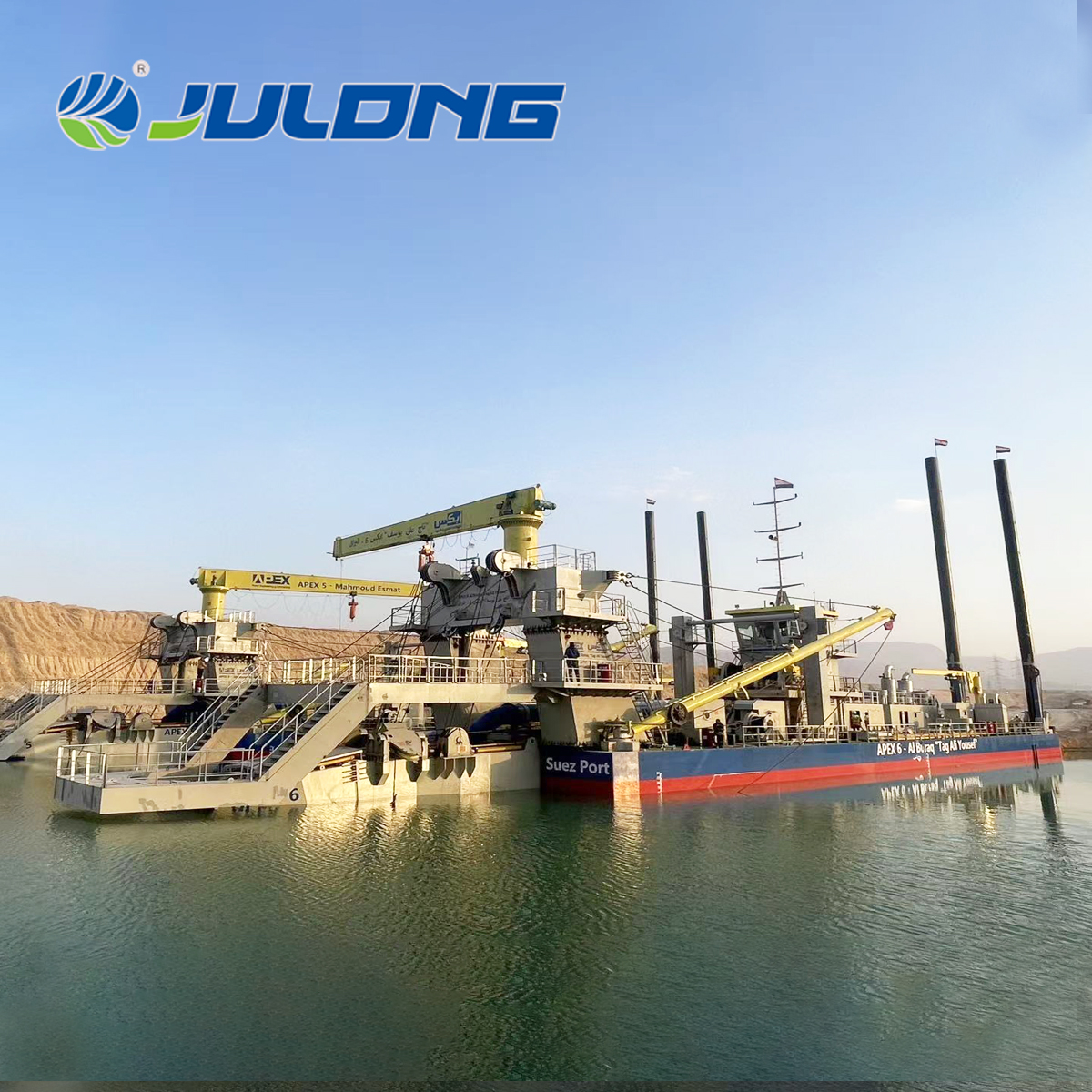
Finding a trustworthy supplier for TSHD dredgers involves more than just a simple online search. Start by evaluating manufacturers with a strong reputation in the industry, such as Qingzhou JULONG Environmental Technology Co., Ltd., which specializes in cutter suction dredgers and offers ISO/CE certifications. Look for suppliers that have a proven track record in serving multiple countries, which indicates their capability to handle diverse project requirements. It's also beneficial to request references from previous clients and inquire about their experience with the supplier's products and services. A reliable supplier will also provide transparent information regarding their installation guidance production processes, quality control measures, and customization capabilities. Finally,  consider attending industry trade shows or forums where manufacturers showcase their dredgers, allowing for direct interaction with potential suppliers. 

Frequently Asked Questions

What is the tshd for sale designed to do?

Our trailing suction hopper dredger (TSHD) is built for efficient sediment removal, transport, and disposal in river, lake, and port projects, delivering durable performance for maintenance and capital dredging.
The tshd is manufactured under ISO and CE certified processes, ensuring compliance with international quality, safety, and environmental standards.
We offer a range of TSHD sizes and hopper capacities suited to project scale; details can be provided based on required dredging depth, production rate, and site conditions.
Yes. We provide technical support, maintenance guidance, and spare parts supply to ensure reliable long-term operation and minimal downtime.
Yes. We customize dredger configuration, pumping systems, and auxiliary equipment to match river, lake, or port requirements and client specifications.

Get a Free Quote

Our representative will contact you soon.
0/1000

Related product categories