Choosing the Right Trailing Suction Hopper Dredger

application/trailing-suction-hopper-dredger-tshd, application/trailing-suction-hopper-dredger-tshd, 
Inquiry
Inquiry

trailing suction hopper dredger tshd

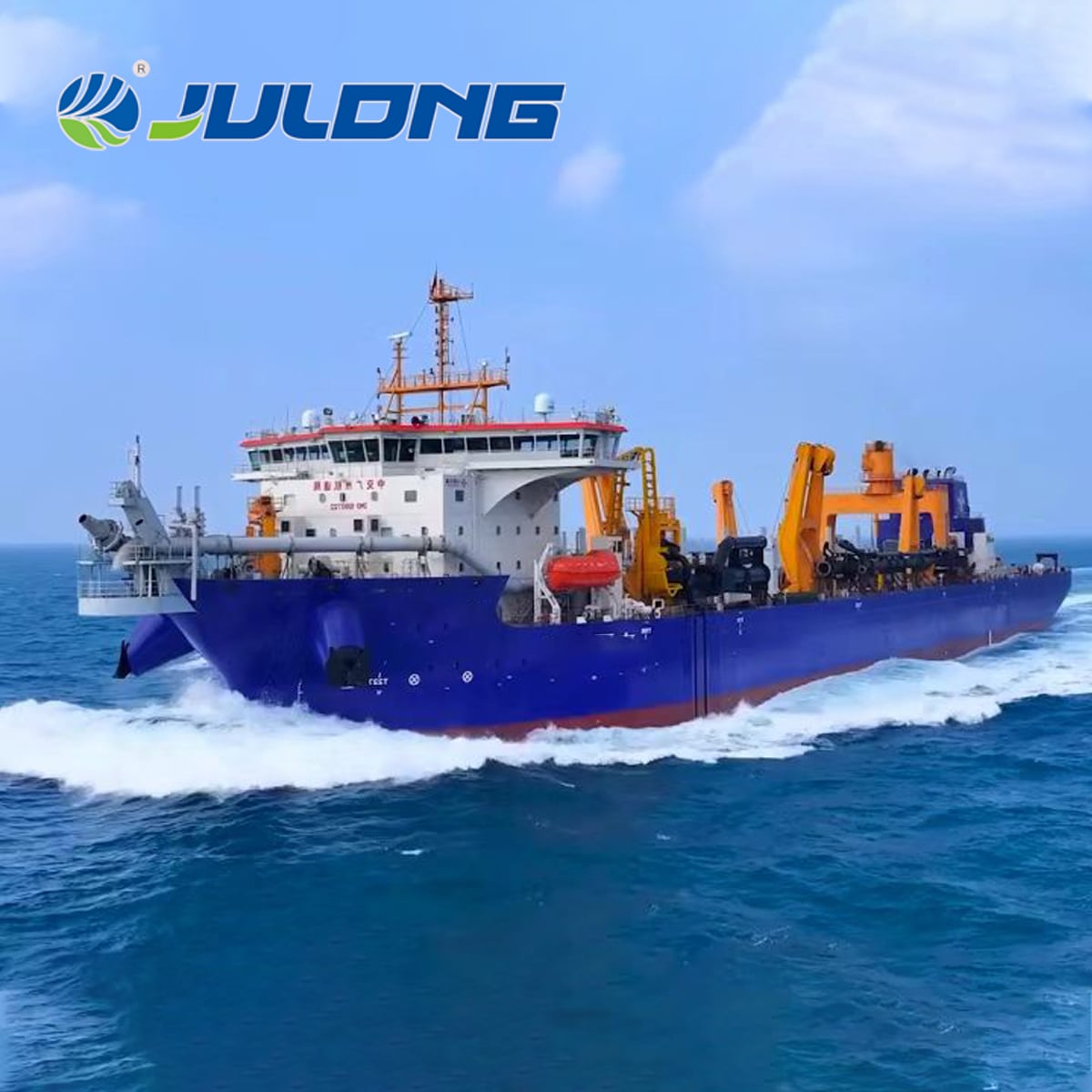
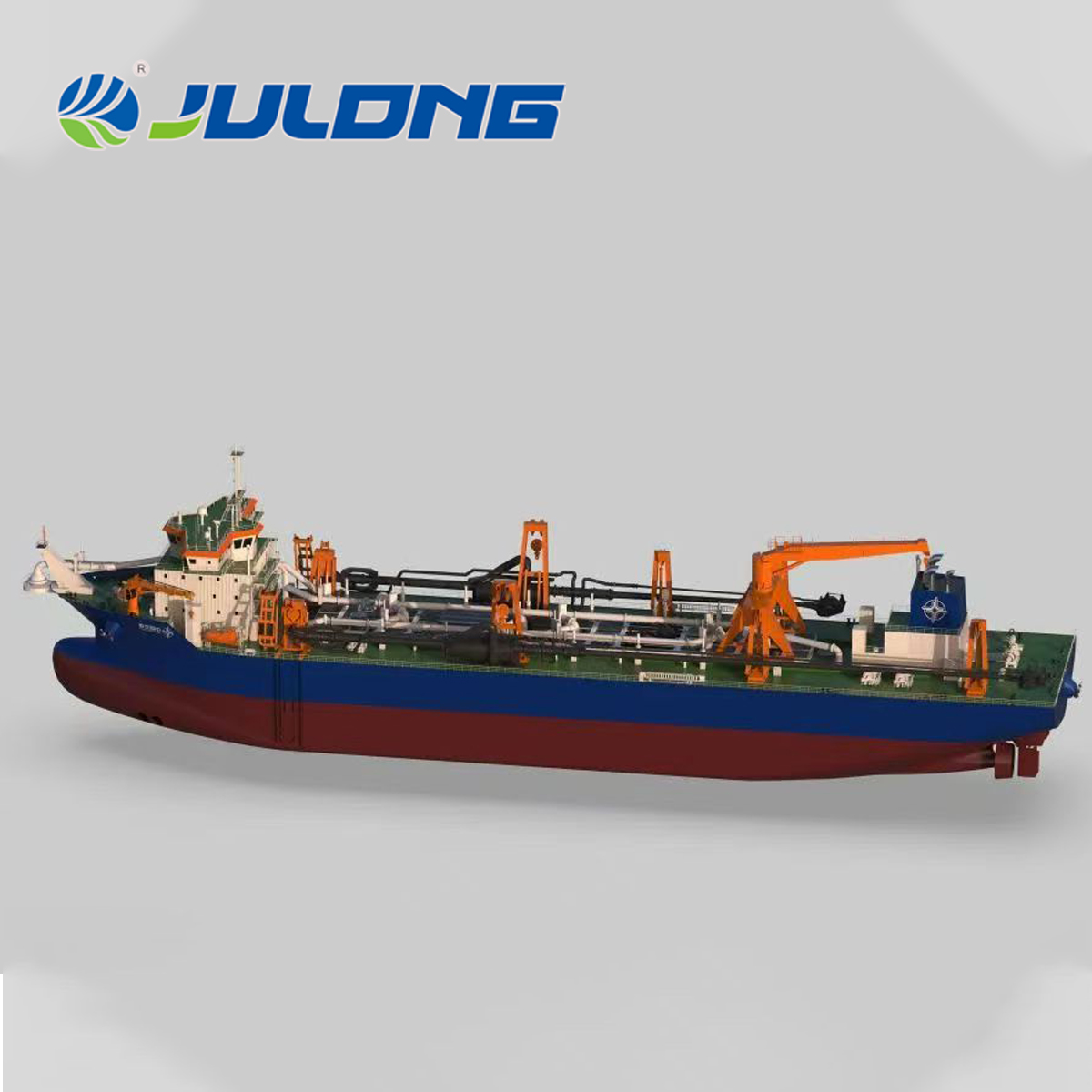
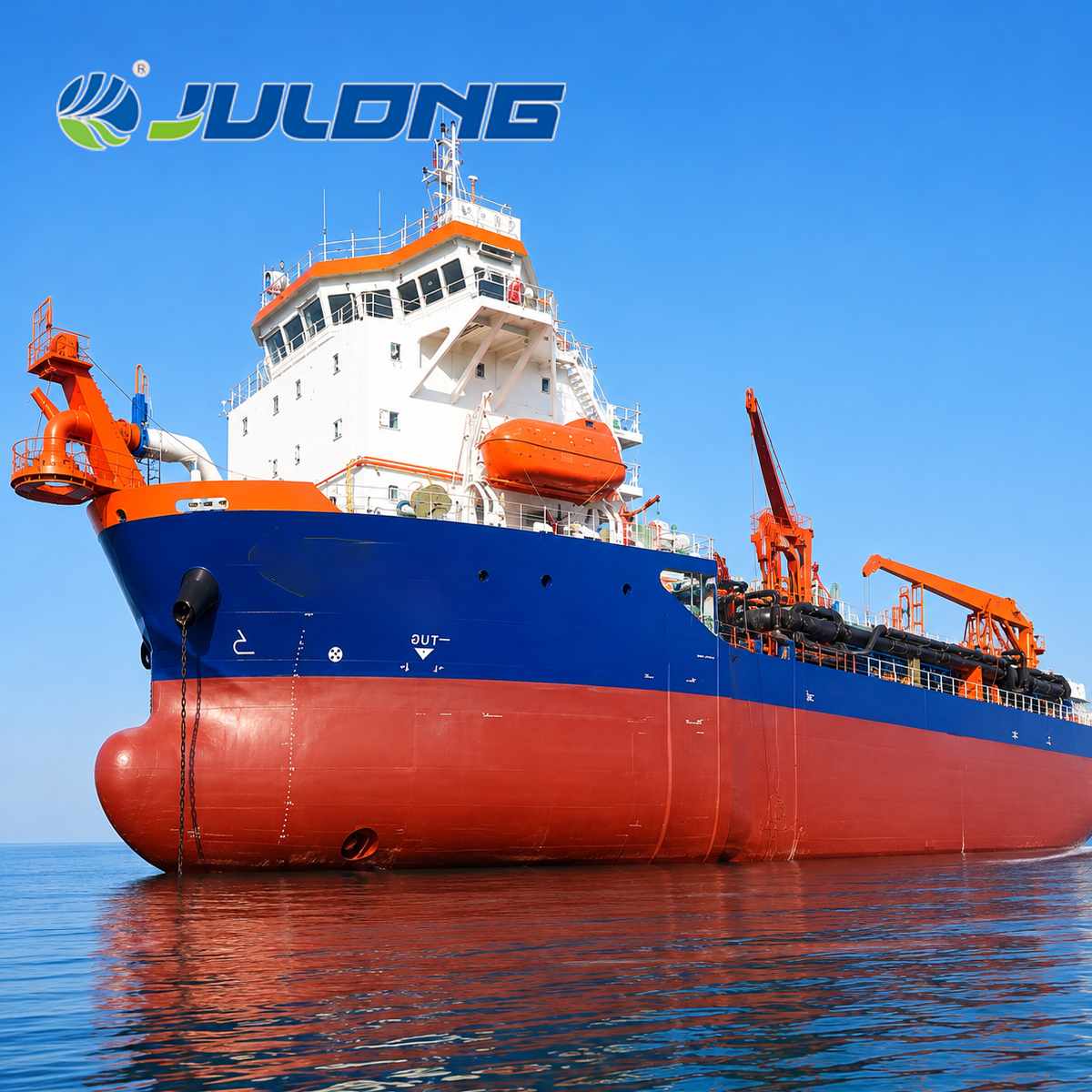
A trailing suction hopper dredger (TSHD) is a specialized vessel designed to  excavate  and transport sediment from underwater environments  such  as  rivers, lakes,  and ports. These  machines are essential for projects that require land reclamation, dredging waterways, or  maintaining  navigational  depths. For purchasing managers  and engineers, choosing the right TSHD  involves understanding the specifications, costs, and  potential challenges associated  with these complex machines. This  article will guide you through  critical  factors to  consider, ensuring you make an informed decision when  selecting a TSHD for  your project.

Wholesale Purchasing Options for Trailing Suction Hopper Dredgers

Wholesale Purchasing Options for Trailing Suction Hopper Dredgers

When purchasing a TSHD,  wholesale options can provide significant cost advantages  for large-scale operations. Many manufacturers, including Qingzhou  JULONG Environmental Technology  Co., Ltd.,  offer competitive  pricing for bulk purchases, which can be beneficial for companies planning multiple projects.

When engaging in wholesale purchasing, be sure to discuss the  minimum order  quantities (MOQ)  and any potential discounts for bulk orders. It’s also  essential  to clarify lead times for production and delivery, as these can  vary significantly based on the complexity of the dredger and the  manufacturer’s production capacity.

In addition, inquire about warranty and  after-sales support  options, as these can vary between suppliers. Establishing a good relationship  with the manufacturer  can  lead  to better terms and ongoing support, ensuring your investment remains protected.

 
How to Compare Trailing Suction Hopper Dredgers for Your Needs

How to Compare Trailing Suction Hopper Dredgers for Your Needs

To effectively compare TSHDs, create a checklist of specifications that align with your project  requirements. Key factors  to consider include:

Dredging Depth and Capacity: Identify the maximum depth the dredger can operate  effectively and  the volume of material  it can transport in  one cycle. Engine Power: A more  powerful engine can improve efficiency, especially in challenging conditions. Suction System: Evaluate the type and configuration of the suction system, as dual pipes may  enhance performance in various sediment types.  Construction Materials: Durability is essential  for  TSHDs; materials used in construction should withstand harsh marine environments.  Look for corrosion-resistant options and robust hull designs. Customization: If your project has specific requirements, check if the manufacturer  can customize  the dredger  to fit those needs. 

Comparing these specifications  side by side will help you identify the best options available and ensure  that  the TSHD you select  can handle your specific project requirements.

Understanding the Cost Factors of Trailing Suction Hopper Dredgers

Understanding the Cost Factors of Trailing Suction Hopper Dredgers

The cost of a TSHD can  vary significantly based on several factors. Key elements influencing pricing include:

Size and Capacity:  Larger and more powerful dredgers typically come with a higher price tag due to increased  materials and engineering complexities. Customization Features: If your  project requires specific adaptations or features, these will add to the  base cost. Customization  may include specialized suction systems, enhanced navigation systems, or additional safety features. Manufacturing Quality: Dredgers built with higher-quality materials and advanced manufacturing  processes may have a higher  upfront cost  but can lead to lower maintenance expenses  and longer  service  life. Shipping and Logistics: Consider transportation  costs, especially for international purchases.  The location of  the manufacturer may impact delivery times and shipping  fees.

Understanding these cost factors can help you  budget appropriately and negotiate effectively with suppliers, ensuring you receive a fair price  for the TSHD that meets your project  needs.


Common Problems with Trailing Suction Hopper Dredgers and Solutions

Despite their  robust design, TSHDs can encounter various operational challenges. Being aware of these potential  issues can help  you prepare and  implement effective solutions:

Clogged Suction Pipes: This is a common  issue,  especially when dredging materials with  high clay or organic content. Regular  maintenance, including cleaning  and inspection of the suction system, can prevent clogs and downtime. Engine Failures: Like any heavy machinery, TSHDs can experience engine issues. Establish a routine maintenance schedule and ensure that operators are trained to identify early signs of engine problems. Weight Distribution Issues: Uneven  loading can cause  stability problems. Proper  training for crew members on material loading and  unloading can mitigate this risk. Corrosion and Wear: Given their exposure to harsh marine environments, regular inspections and timely maintenance of the hull and other components are critical. Employing corrosion-resistant materials can also extend the lifespan of the dredger.

By  understanding these common problems and implementing preventive measures, operators can ensure smooth and  efficient dredging operations.

This article serves  as a comprehensive guide  for B2B buyers considering the purchase of a trailing suction hopper dredger. By understanding the various  aspects of TSHDs, including  selection criteria, purchasing options, cost factors, and potential issues, you will be better equipped to make informed decisions and secure the right solution  for your dredging needs.

Choosing the Right Trailing Suction Hopper Dredger for Your Projec

Selecting the appropriate TSHD involves  evaluating various factors, including  project scope, sediment type, and  operational requirements. First, consider the  dredging  depth and volume; larger projects may necessitate a TSHD  with a higher capacity for both  sediment and  fuel. Additionally, assess the type  of sediment  you will be excavating, as different dredgers are optimized  for specific materials like sand, silt, or clay.

The design and size of the hopper are also crucial. A larger hopper can hold more material, minimizing the number of trips to dispose of dredged material, which can enhance operational efficiency. Furthermore, consider the dredger's suction  system; dual suction pipes  can  improve efficiency in varied  sediment conditions. For example, the JLCSD700 Cutter Suction Dredger is designed to handle significant sediment volumes efficiently.

Lastly, operational factors such  as the dredger's  maneuverability, stability,  and ease of maintenance should be  considered. Researching different models and consulting with experienced manufacturers can help ensure that the TSHD will meet project demands effectively.

Frequently Asked Questions

What is a trailing suction hopper dredger (TSHD)?

A TSHD is a self-propelled dredging vessel that uses a trailing suction head to remove sediment and store it in onboard hoppers for transport and disposal or land reclamation.
Suitable for river, lake, port maintenance, beach nourishment, and land reclamation projects requiring efficient sediment removal and transport.
Our TSHDs are produced in an ISO/CE certified facility, built to durable standards with quality controls across design, fabrication, and testing.
Yes. We offer customization of hopper capacity, pump power, suction pipes, and onboard systems to meet project depth, soil type, and mobility requirements.
We provide installation guidance, commissioning, spare parts, technical training, and global service support from our 12,000 m² facility serving 93 countries.

Get a Free Quote

Our representative will contact you soon.
0/1000