Choosing the Right Mini Amphibious Excavator

application/mini-amphibious-excavator, application/mini-amphibious-excavator, 
Inquiry
Inquiry

mini amphibious excavator

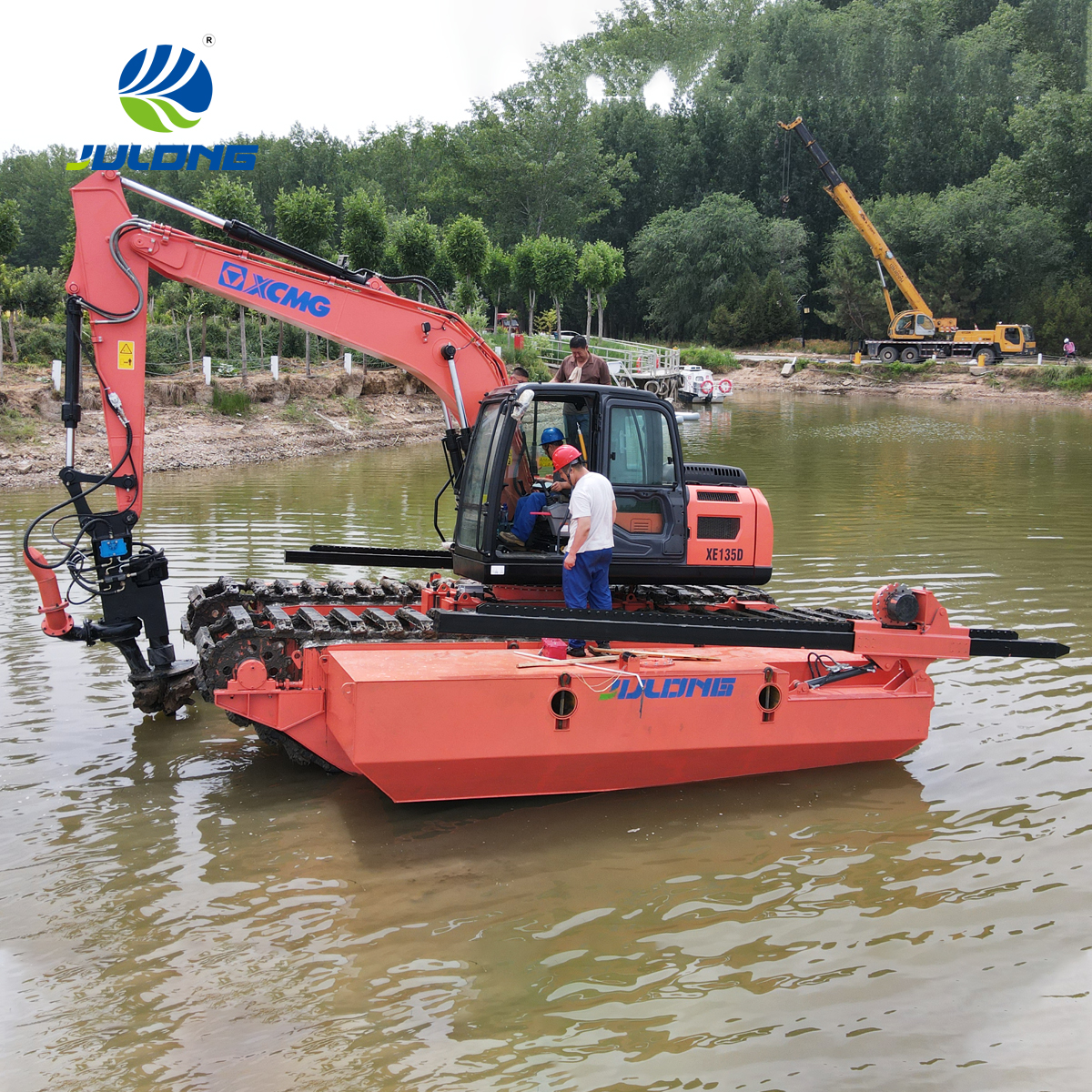
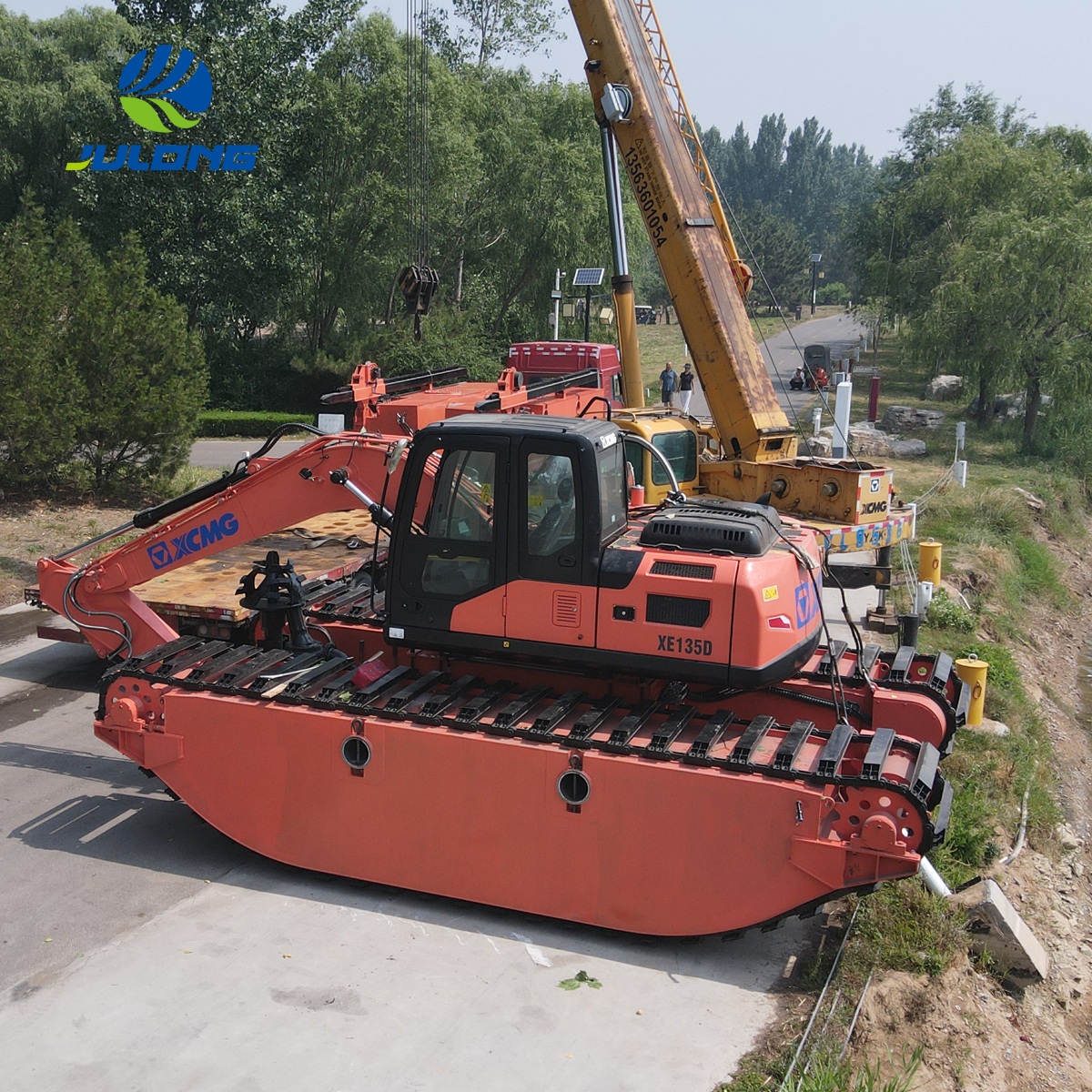
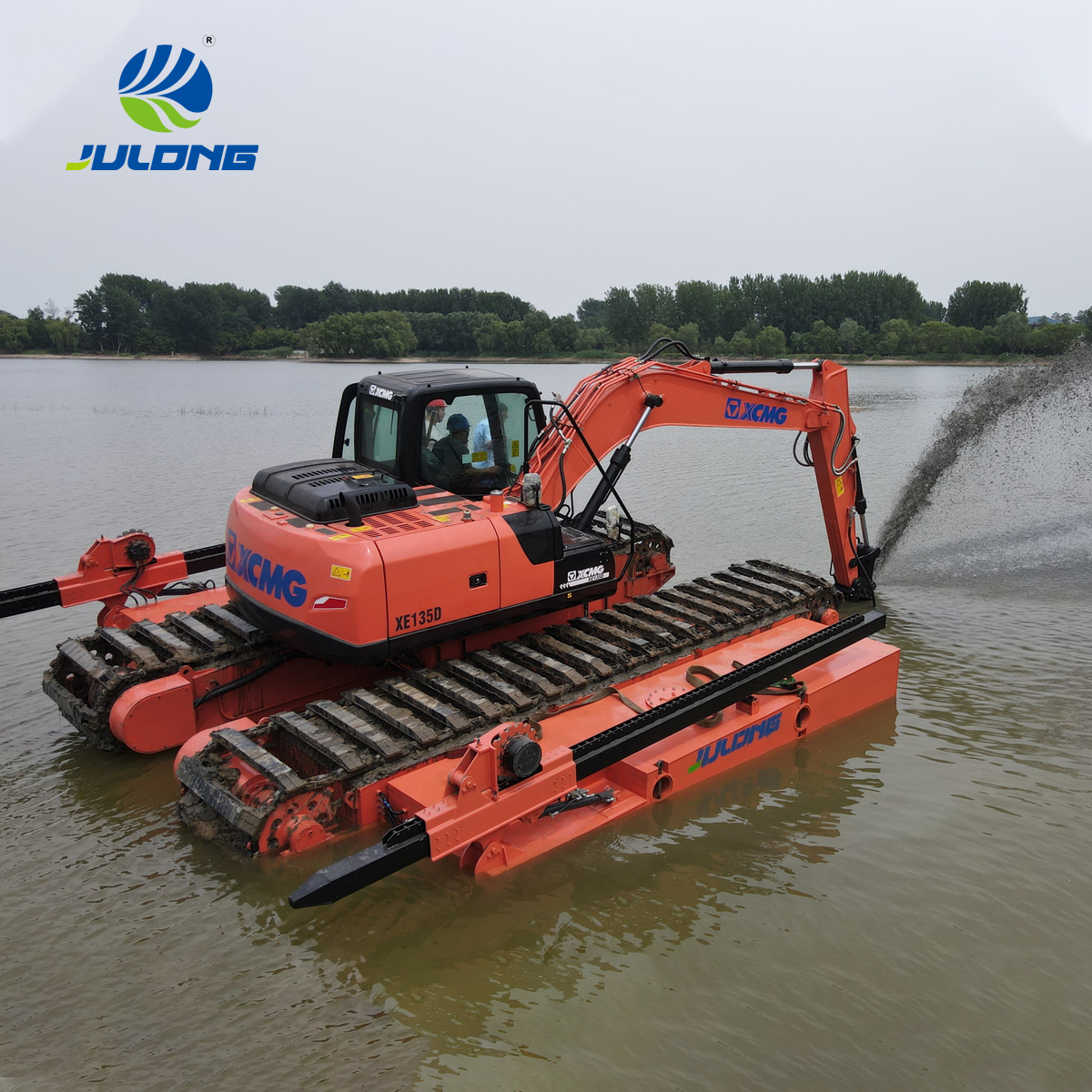
A mini amphibious excavator is a versatile  machine designed  for use  in challenging environments such as wetlands,  rivers,  and lakes. This compact equipment combines  the  capabilities  of a traditional excavator with  enhanced stability and mobility on soft or unstable ground. B2B buyers  often have concerns  about performance, durability, and  suitability for specific applications. This article aims to  provide essential insights into selecting the right mini  amphibious  excavator,  sourcing reliable suppliers,  addressing  common issues, and understanding  installation and application scenarios.

 
Sourcing Reliable Suppliers

Sourcing Reliable Suppliers

Finding a  reliable  supplier for  mini amphibious excavators is essential for ensuring quality and support  throughout your project.  Start by researching manufacturers  with a  proven track record in producing durable and efficient equipment. Look for companies that have ISO and CE certifications, as these indicate compliance with international quality standards.

Engage with potential suppliers to assess their responsiveness and willingness to provide detailed product information.  Request references or case studies from previous  clients to gauge their experience with  the supplier's equipment. Additionally, consider the supplier's production capabilities and lead times. A manufacturer with a large facility and advanced machinery is more  likely  to maintain consistent  quality and deliver  on  schedule.

Finally, evaluate the supplier's after-sales  support, including  warranty terms, parts availability, and  maintenance services. A trustworthy supplier will provide assistance long after the initial purchase, ensuring your equipment remains operational  and  effective.

Common Problems with Mini Amphibious Excavators and Effective Solutions

Common Problems with Mini Amphibious Excavators and Effective Solutions

Mini amphibious excavators, while  robust, can face several common problems that may affect their performance. One  frequent issue is  hydraulic system failure, which can result from contamination, leaks, or inadequate maintenance. Regularly  inspecting hydraulic fluids and connections can help prevent  this problem. Ensuring  that  operators  are trained in proper usage  and maintenance practices is equally important.

Another  common challenge is  wear and tear on  the undercarriage, particularly  in abrasive environments. Regular inspections and timely replacement of worn components can extend the life of the excavator. Additionally, ensuring that the correct flotation devices are used will help maintain stability  and prevent tipping in soft ground.

Lastly, electrical issues can arise, especially in older  models. Regular checks of wiring and connections can help identify potential problems before they escalate. Collaborate  with  your supplier to understand the best practices for maintenance and troubleshooting specific issues that  may arise  with your equipment.

 
Installation Guidance for Mini Amphibious Excavators in Various Environments

Installation Guidance for Mini Amphibious Excavators in Various Environments

Installing a mini amphibious excavator  requires careful planning  to  ensure  optimal performance in diverse environments. Begin  by assessing the specific site conditions, such as soil type,  water levels, and existing vegetation. In marshy areas, consider using mats  or  platforms  to provide a  stable base for the excavator during operation.

When setting up the excavator, follow the manufacturer's guidelines to ensure proper  assembly and configuration. This includes checking fluid levels, calibrating the hydraulic systems,  and ensuring that all safety features are  operational. Proper installation also involves training operators on the  unique characteristics  of working in wetlands or  near water bodies, emphasizing safety precautions and  operational  best practices.

Once the  excavator is installed, conduct a thorough test run to verify  its performance and stability in the working conditions. Monitor for any signs of instability or mechanical issues and adjust operations as necessary to maintain safety and efficiency.

Key Applications of Mini Amphibious Excavators in the Industry

Mini amphibious excavators are used across various  industries, providing solutions for projects that  require flexibility in challenging terrains. In the construction sector, these machines excel at site  preparation in wetland areas, ensuring that foundations can be laid even in soft  ground conditions. They can also be employed for dredging operations in rivers and  lakes, where  traditional excavators may struggle, such as with the JLCSD700 Cutter Suction Dredger.

In environmental restoration projects, mini amphibious excavators play a  crucial role  in wetland rehabilitation and habitat restoration. Their ability  to operate in sensitive environments allows  for careful and efficient removal of invasive species or debris  without causing significant disruption to  the  ecosystem.

Additionally, these excavators  are valuable in agricultural applications,  such as land clearing and irrigation management. Their compact size and versatility make them ideal for maneuvering in tight spaces and  navigating uneven terrain, providing farmers with the necessary tools to enhance productivity while minimizing environmental impact.

By  understanding the unique specifications and capabilities of mini  amphibious excavators,  buyers can  make informed decisions that ensure their projects are completed efficiently and effectively.

How to Choose the Right Mini Amphibious Excavator for Your Projec

When selecting a mini amphibious excavator, it is crucial to consider  several key specifications that directly impact its performance and suitability for your specific  project.  First, evaluate the machine's  weight and size. A lighter excavator may be more maneuverable in marshy areas, but it should still have sufficient power to handle the required  tasks.

Next, look at the engine specifications,  particularly horsepower and torque. These  factors will determine the machine's capability  to perform tasks such as digging,  lifting, and transporting materials in challenging  environments. Additionally, consider the excavation depth  and reach. Ensure  that  the excavator can meet the demands of your project, whether  it's dredging  a riverbed or clearing a construction site using a JLWB1600 Multi-function Work Boat.

Another important aspect is the undercarriage design. Many mini amphibious excavators feature a unique pontoon system that enhances stability on water and soft ground. Verify how this design  will perform in  the specific conditions of your project  area. Lastly, consider customization options  based on your unique requirements, such as attachment  compatibility for different tasks.

Frequently Asked Questions

What is a mini amphibious excavator used for?

A mini amphibious excavator is designed for dredging, shoreline maintenance, wetland restoration, and works in rivers, lakes, marshes and shallow port zones where land and water access alternate.
Typical specs include compact dimensions, low ground pressure pontoons, hydraulic excavator arm, engine power suited for mini class, and optional attachments for dredging and excavation.
Yes. Our machines are built in a 12,000 m² facility and come with ISO and CE certifications, designed for durability and efficient operation in harsh aquatic environments.
We offer technical support, spare parts supply, and warranty terms tailored to the model. Remote guidance and on-site service options are available; contact sales for specific warranty length.
Yes. We provide customization of attachments, pontoon size, engine options and control systems to meet project requirements for river, lake and port applications.

Get a Free Quote

Our representative will contact you soon.
0/1000