Choosing the Right Excavator for Swamp Projects

application/excavator-in-swamp, application/excavator-in-swamp, 
Inquiry
Inquiry

Excavator in swamp

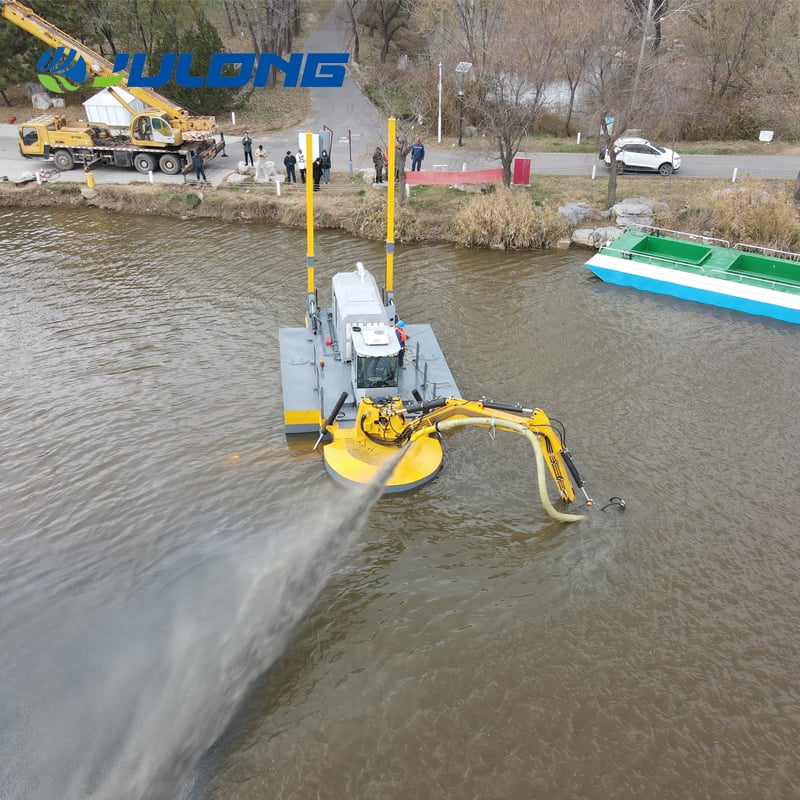
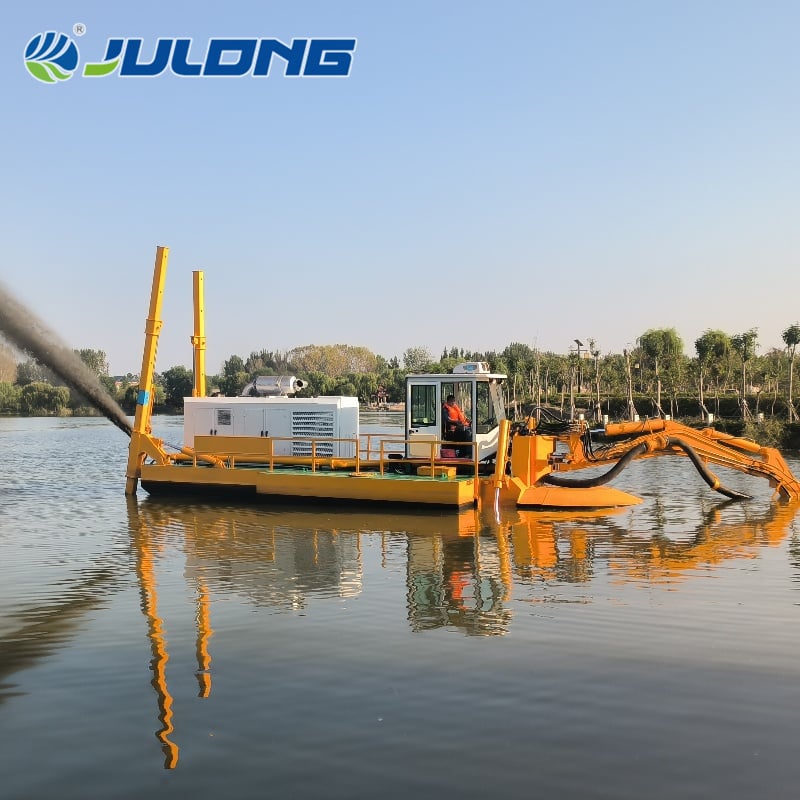
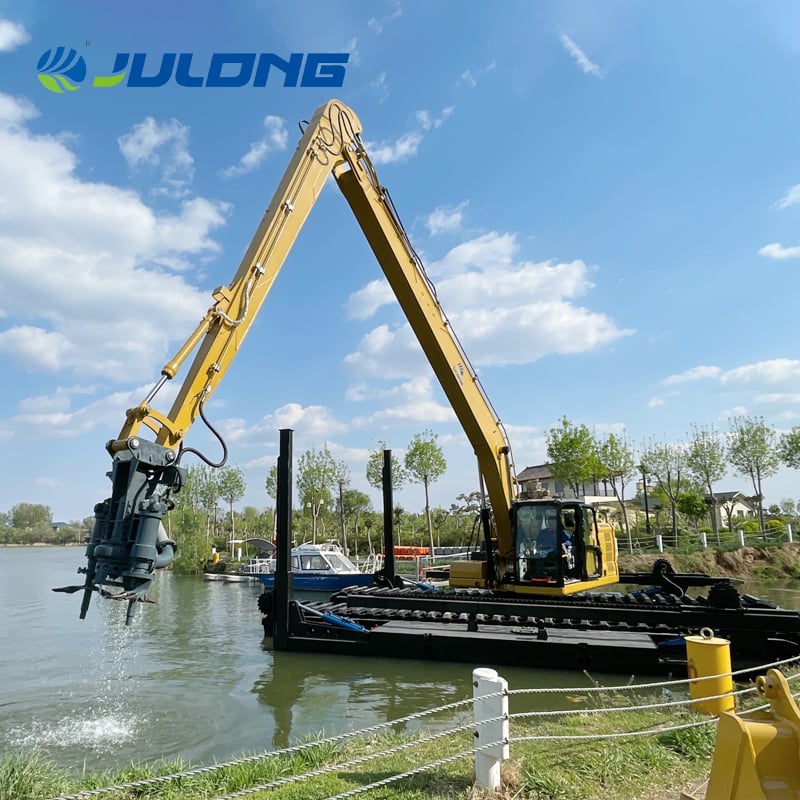
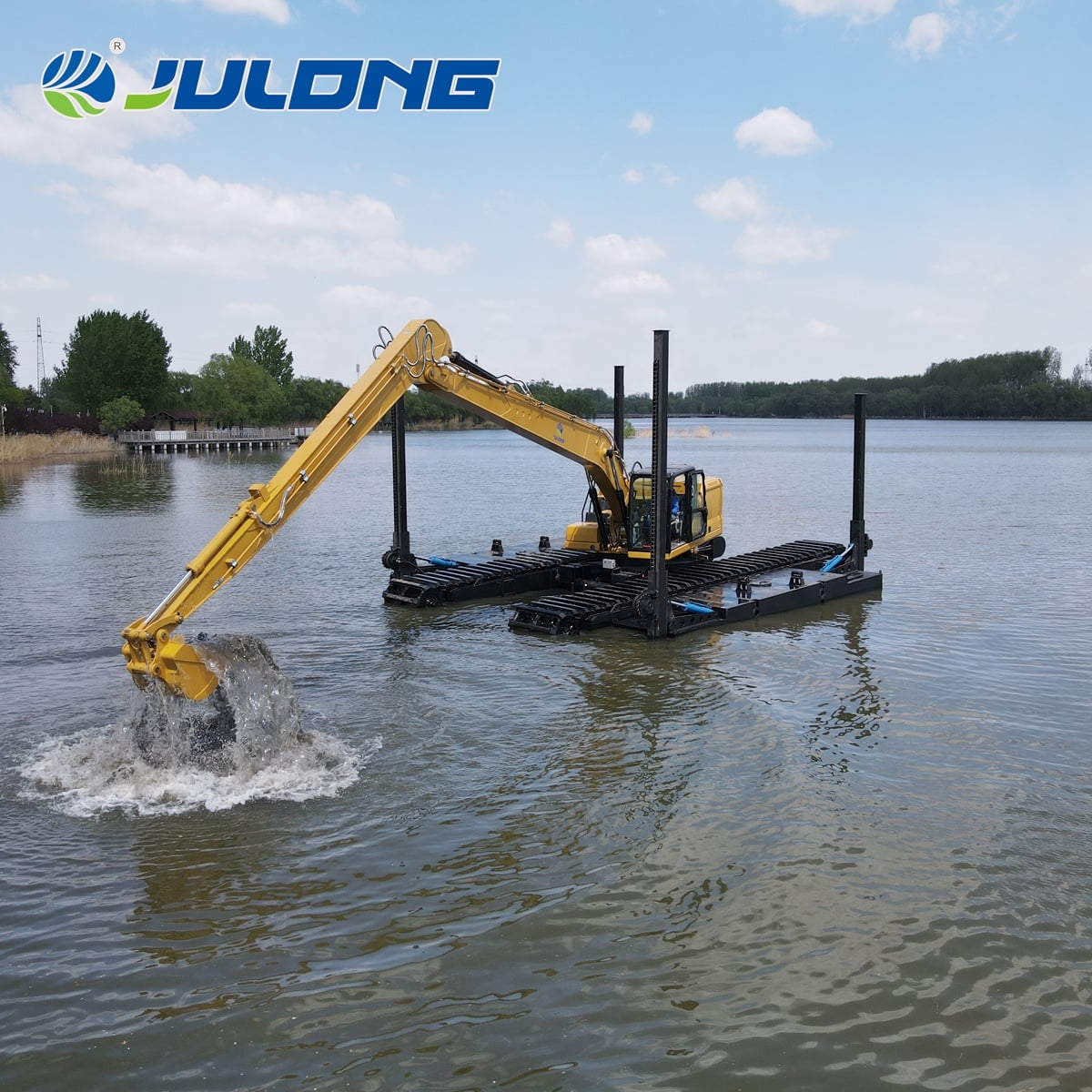
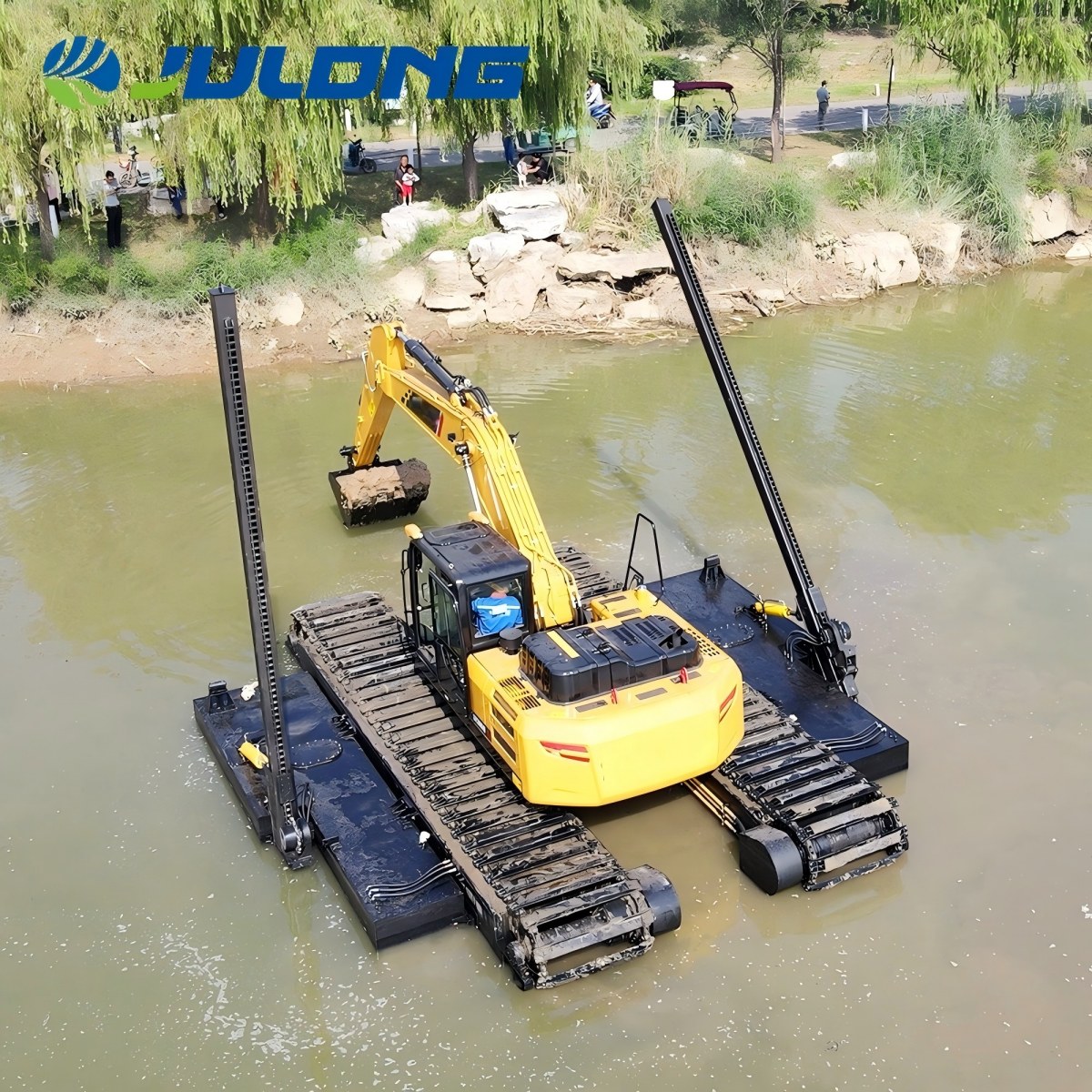
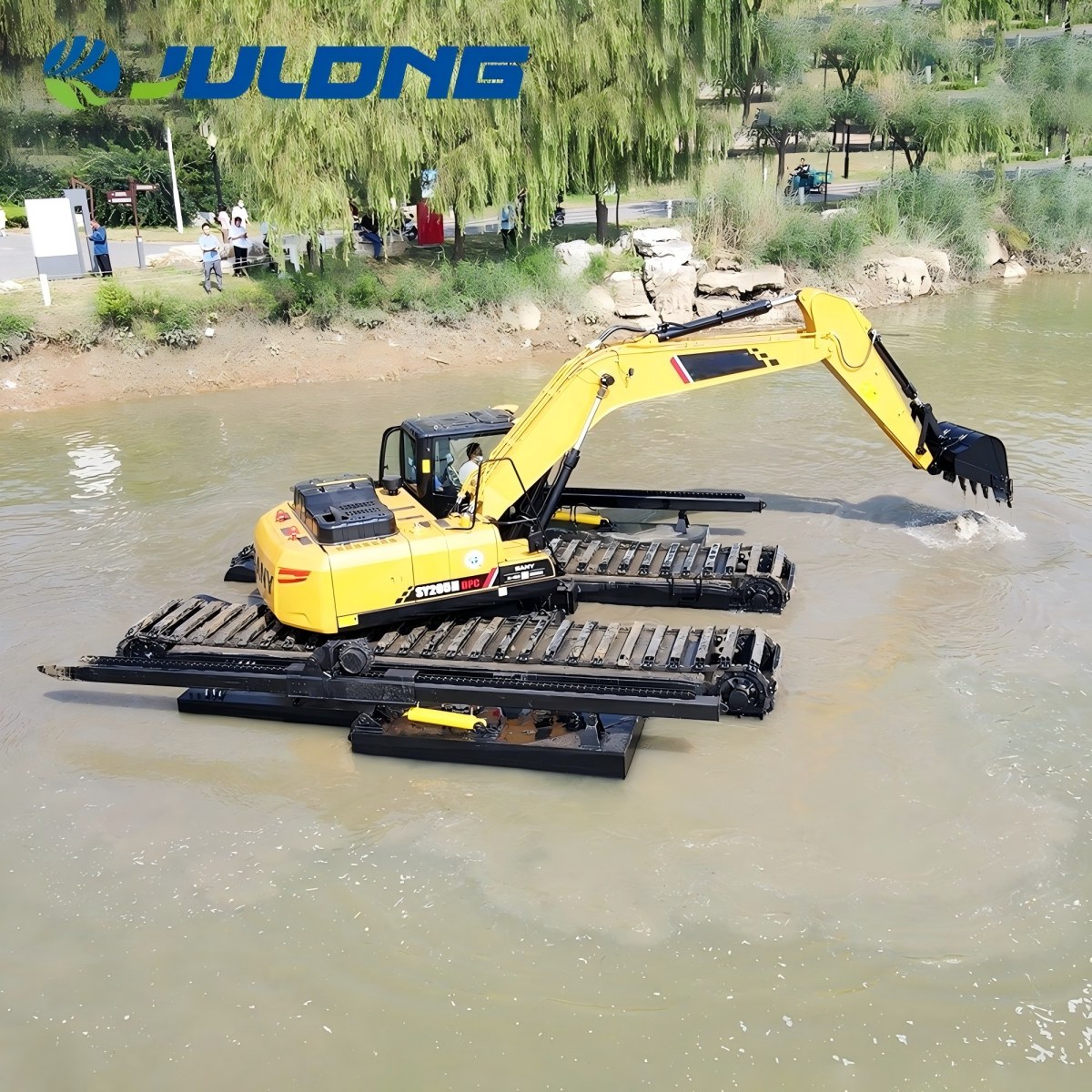
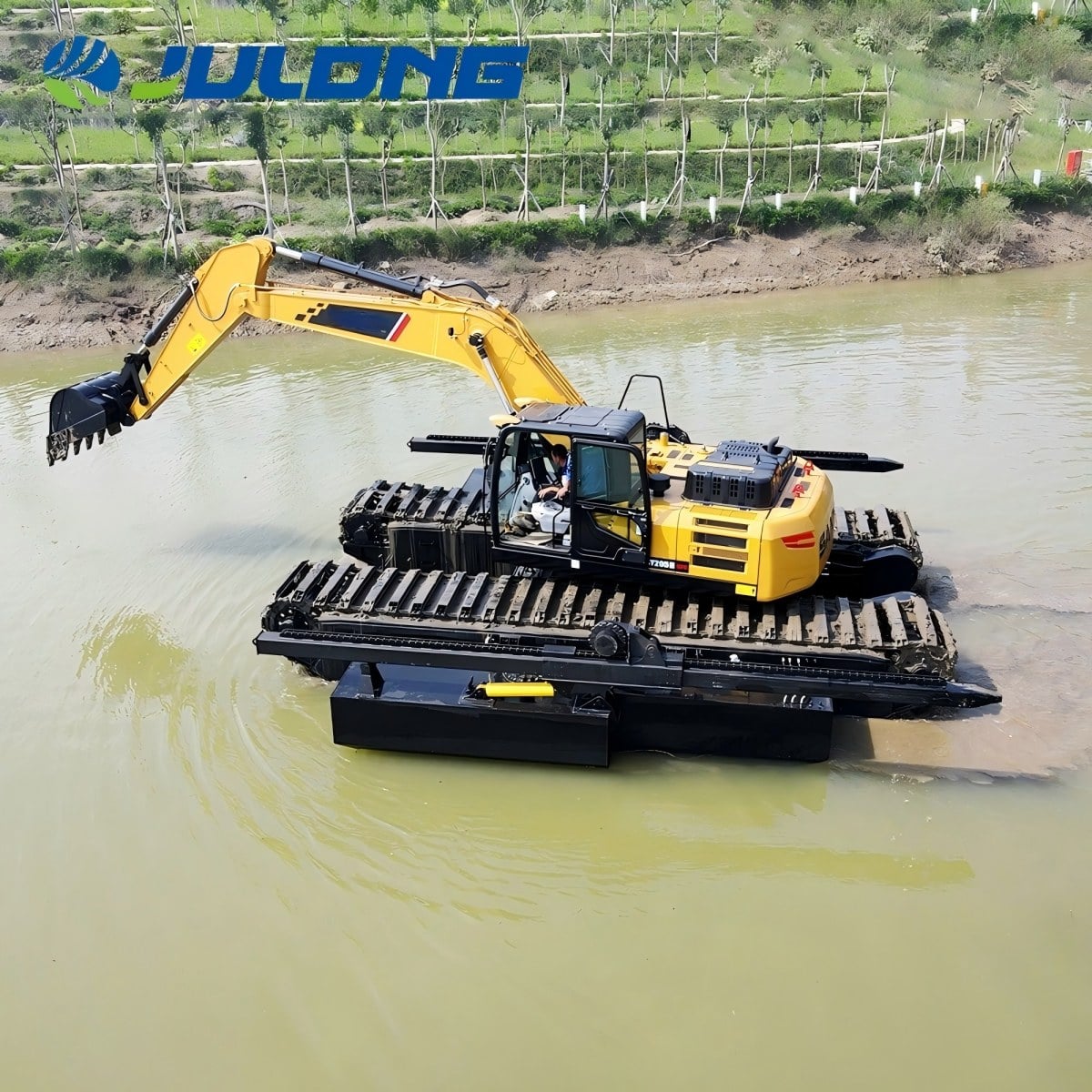
When considering an excavator in swamp environments, it's essential to understand the unique challenges and requirements that come with such specialized machinery. Swamp conditions often include soft, unstable ground, water, and dense vegetation, which necessitate specific features and capabilities for effective operation. This excavator in swamp article will guide purchasing managers, engineers, and project managers through the key factors to consider when selecting, sourcing, and maintaining swamp dredger excavator, ensuring they make informed decisions that align with their project needs. 

Quality Assurance Measures for Swamp Excavator Manufacturing

Quality Assurance Measures for Swamp Excavator Manufacturing

Ensuring quality in the manufacturing of swamp excavators is vital for their performance and durability. Key quality assurance measures include: 

Material Selection: High-quality materials resistant to corrosion and wear are essential. Manufacturers should use high-strength steel and protective coatings to enhance the longevity of excavators exposed to moisture and abrasive materials. 

Rigorous Testing: Before mass production, prototypes should undergo comprehensive testing in various swamp-like conditions. This testing phase helps identify any design flaws or operational challenges, ensuring the excavator in swamp final product meets performance expectations. 

ISO and CE Certifications: Manufacturers should have ISO and CE certifications to demonstrate adherence to international quality standards. These certifications ensure that the amphibious excavator for sale are built to handle rigorous operational demands safely and efficiently. 

Quality Control Processes: Implementing strict quality control measures during the manufacturing process, such as inspections at key production stages, helps maintain consistent quality. Documentation of these processes can also provide buyers with confidence in the product's reliability. 

Selecting the Best Excavator Sources

Selecting the Best Excavator Sources

When sourcing excavators for swamp projects, consider the following factors to ensure you partner with a reliable supplier: 

Reputation and Experience: Research potential suppliers' industry reputation and their experience in manufacturing swamp excavators. A reputable supplier will have a track record of delivering durable and efficient machinery. 

Customization Capabilities: Look for suppliers who offer customization options tailored to specific project requirements. Customization might include modifications to size, weight distribution, or additional features that enhance performance in swamp environments. 

Customer Support and Service: Evaluate the level of customer support offered, including post-sale service, maintenance, and parts availability. Suppliers who provide excellent support can help ensure your excavator remains operational throughout its lifespan. 

Geographical Reach: Consider suppliers with experience in exporting to excavator in swamp your region, as they will be familiar with local regulations and logistics, impacting delivery timelines and costs. 

Cost Factors for Excavators Designed for Swamp Environments

Cost Factors for Excavators Designed for Swamp Environments

Understanding the cost factors associated with swamp excavators is critical for budgeting: 

Initial Purchase Price: The price of swamp excavators often reflects their specialized design and capabilities. Expect to pay a premium for models equipped with advanced features necessary for operation in challenging environments. 

Operating Costs: Consider ongoing operating costs, including fuel consumption, maintenance, and repairs. Excavators with energy-efficient engines and easily accessible components for maintenance may reduce long-term costs. 

Customization and Accessories: Additional features or attachments can significantly impact overall costs. Be clear about your project needs to avoid unnecessary expenditures on features that may not be used. 

Financing Options: Some manufacturers may offer financing solutions that can help manage cash flow while acquiring the necessary equipment. Compare these options to understand the total cost of ownership effectively. 

Common Problems with Excavators in Swamp Areas and Solutions

Operating excavators in swamp environments can pose unique challenges. Here are some common problems and their solutions: 

Sinking in Soft Ground: Excavators can become stuck due to unstable ground conditions. To mitigate this, select machines with wider tracks or amphibious designs that enhance buoyancy and stability. 

Corrosion and Wear: Prolonged exposure to water and mud can lead to corrosion. Choose models with high-quality materials and protective coatings.  Regular maintenance, including washing and inspection, can further reduce wear and extend the machine's lifespan. 

Limited Visibility: Dense vegetation can obstruct visibility, making it difficult for operators to maneuver safely. Equip excavators with cameras or enhanced lighting systems to improve situational awareness. 

Hydraulic System Issues: Swamp conditions can put additional strain on hydraulic systems. Ensure regular maintenance is performed, and consider models with robust hydraulic components designed to withstand such challenges. 

By understanding these factors and implementing strategic purchasing practices, professionals involved in swamp projects can make informed decisions when selecting and operating excavators. This proactive approach will not only enhance project efficiency but also ensure long-term reliability and performance in demanding environments. 

How to Choose the Right Excavator for Swamp Projects

Selecting the appropriate excavator for swamp projects involves assessing the specific site conditions and operational requirements. Key considerations include: 

Mobility and Stability: Excavators designed for swamp use often feature amphibious capabilities or specialized tracks that distribute weight evenly,  preventing sinking into soft ground. Look for models with wider tracks or pontoons that enhance mobility on unstable surfaces. 

Engine Power and Performance: It is crucial to evaluate the engine's power to ensure it can handle the challenging conditions typical in swamps, such as mud and water. Excavators with high torque and robust hydraulic systems will perform better in these environments. 

Attachment Compatibility: Consider the range of excavator in swamp attachments available for the amphibious excavator, such as dredging buckets or specialized grapples. These attachments can significantly enhance functionality and adaptability in swamp applications, allowing for tasks like vegetation removal or sediment dredging. 

Manufacturer Experience: Choose a manufacturer with proven expertise in swamp excavators. Companies like Qingzhou JULONG Environmental Technology Co., Ltd. specialize in producing robust and efficient machines tailored to such environments. 

Frequently Asked Questions

What is the excavator in swamp designed for?

Designed for dredging, vegetation removal and excavation in marshes, wetlands and shallow swamps for river, lake and port projects.
Our excavators are produced in an ISO/CE certified facility, ensuring compliance with international quality and safety standards.
Built with corrosion-resistant materials, reinforced undercarriage and easy-access service points for routine maintenance and long service life.
Yes. It is engineered for shallow to moderate water depths with adjustable flotation and stability systems for marsh and swamp conditions.
Yes. We serve 93 countries and provide spare parts, technical support and service guidance from our 12,000 m² facility.

Get a Free Quote

Our representative will contact you soon.
0/1000