Choosing Lake Dredging Equipment for Your Projects

application/lake-dredging-equipment, application/lake-dredging-equipment, 
Inquiry
Inquiry

lake dredging equipment

Lake dredging  equipment plays a critical  role  in  environmental  management, particularly in the maintenance and rehabilitation of  lakes and rivers. As a B2B buyer, understanding  the  specifications, applications, and sourcing options for such  equipment is essential. This  article will guide  you through the key considerations when sourcing lake dredging  equipment, helping you  make  informed purchasing decisions  while  addressing common  concerns related  to product quality, supplier reliability,  and operational efficiency. For instance, consider utilizing an Aquatic Cleaning Boat for specific cleaning tasks in aquatic environments.

 
Where to Find Reliable Suppliers of Lake Dredging Equipmen

Where to Find Reliable Suppliers of Lake Dredging Equipmen

Finding a reputable supplier is key to ensuring you receive high-quality lake dredging equipment. Start  your search by:

Industry Directories and Trade Shows:  Utilize industry directories and attend trade shows  to meet suppliers and see their equipment first-hand. This provides an  opportunity to evaluate their offerings and build  a relationship.

Certifications and Compliance: Verify that potential suppliers hold relevant  certifications such as ISO  and CE, which  indicate adherence to  quality standards. These certifications reflect the supplier's commitment to quality and safety in their manufacturing  processes.

Client References  and Reviews: Reach out to previous clients for testimonials about  their experiences.  Positive feedback can give you confidence in a supplier’s reliability and the performance of their equipment.

Local and International Reach: Consider suppliers with  a strong export history, as they are more likely to  have  experience navigating shipping  and logistics challenges. For example, Qingzhou JULONG Environmental Technology Co., Ltd.  serves 93 countries, demonstrating their capability  to meet diverse international  needs.

By focusing on these avenues, you can identify trustworthy suppliers who can provide the dredging equipment necessary for your projects.

Key Specifications to Consider When Purchasing Dredging Equipmen

Key Specifications to Consider When Purchasing Dredging Equipmen

When planning for bulk orders of lake  dredging equipment,  several cost factors  should be  considered to  ensure budgetary compliance:

Unit Price versus Total Cost of Ownership: While the unit price is important, consider the total cost  of ownership, which includes maintenance, fuel consumption, and potential repair costs. A lower initial  price  may lead to  higher long-term expenses if the equipment is not durable or efficient.

Customization Requirements: Customized equipment may incur additional costs. Assess  whether your operational needs warrant customization and request detailed quotes to understand how these  adjustments will affect the  overall price.

Shipping and Import Duties: When  sourcing from international suppliers,  factor in shipping costs and any applicable import duties. These additional charges can significantly impact the final price of the equipment.

Bulk Discounts: Many suppliers offer  discounts for bulk orders. Inquire about  pricing tiers based on quantity to  maximize  your budget. Ensure you understand  any conditions that may apply to these discounts.

By considering these cost factors, you can make more informed purchasing decisions that align with  your budget constraints.

Common Problems with Lake Dredging Equipment and Their Solutions

Common Problems with Lake Dredging Equipment and Their Solutions

Proper installation and setup of lake dredging equipment are vital for optimal performance. Here are key considerations  for a successful installation:

Site Preparation: Ensure the installation site is adequately prepared, considering factors such as land stability and accessibility. Clear any obstacles to facilitate smooth operation once the dredging equipment is in place.

Operator Training: Equip operators with thorough training specific to the dredging equipment being used. This training should cover operational procedures, safety protocols,  and troubleshooting methods. Proper  training ensures efficient and safe equipment use.

Maintenance Planning: Establish a maintenance  schedule  before  installation. Regular checks and servicing can prevent costly downtime and extend the life of  the equipment. Create  a log  to track maintenance activities and any  issues encountered during operation.

Initial Testing: Conduct an  initial testing phase post-installation. This helps identify any operational issues early on and allows for adjustments  to maximize efficiency. Ensure that operators are present  during this phase to provide feedback on performance.

By following  these  guidelines, you  can ensure that your lake dredging  equipment  is installed correctly  and operates effectively from  the outset.

Applications of Lake Dredging Equipment in Environmental Projects

Lake dredging equipment serves various applications in environmental projects, contributing to  ecological restoration and habitat preservation.  Some notable applications include:

Sediment Removal: Dredging is essential for removing accumulated sediments that can degrade water quality and aquatic habitats. Regular maintenance  dredging keeps lakes and rivers navigable  and healthy.

Restoration of Aquatic Habitats: Dredging can help restore natural lake  bottom profiles, promoting the growth  of native aquatic plants and improving habitats for fish and other wildlife. This  restoration is vital for maintaining biodiversity.

Pollution Control: In cases of contamination, dredging can remove polluted sediments, helping  to remediate water bodies and mitigate environmental hazards. This application is critical in  addressing historical pollution issues.

Construction Projects: Dredging equipment is often necessary for preparing sites for construction projects such as marinas, docks, and waterfront  developments.  Proper  dredging ensures a stable foundation for these structures. The use of a Multi-Function Work Boat can also enhance the efficiency of such projects.

Understanding these applications can aid in recognizing the  importance of investing in reliable lake dredging equipment to achieve your environmental goals.

By considering these insights, B2B buyers can  navigate the complexities of sourcing lake dredging equipment effectively, ensuring they make decisions that  align  with their operational  needs  and  budgetary  constraints.

Choosing the Right Lake Dredging Equipment for Your Project Needs

When evaluating lake dredging  equipment,  it is crucial to  focus on several  key specifications that directly impact  performance and suitability for your projects.

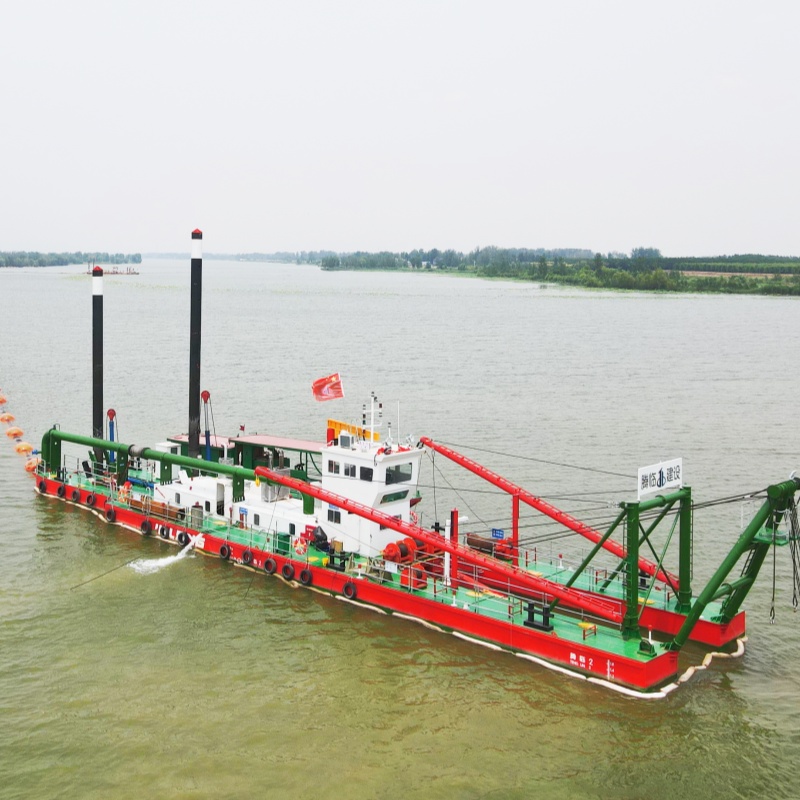
Dredging Depth and Capacity: Different dredgers are designed  for varying depths and material types. For  example, cutter suction dredgers can handle significant depths and are ideal for extracting sediment from lakes. Ensure the equipment’s dredging capacity aligns with your  project's depth and sediment type.

Power and Efficiency: Assess the engine power and fuel efficiency of the dredging  equipment. A more powerful engine can increase productivity, but it may also lead to higher  operational costs.  Look for equipment that balances power with fuel efficiency,  maximizing output while minimizing expenses.

Material Construction: The durability of dredging equipment is often determined by the materials used. High-strength steel and corrosion-resistant materials extend the lifespan of the equipment, especially in environments with abrasive sediments. Ensure the  equipment is built to withstand the specific  conditions of your project.

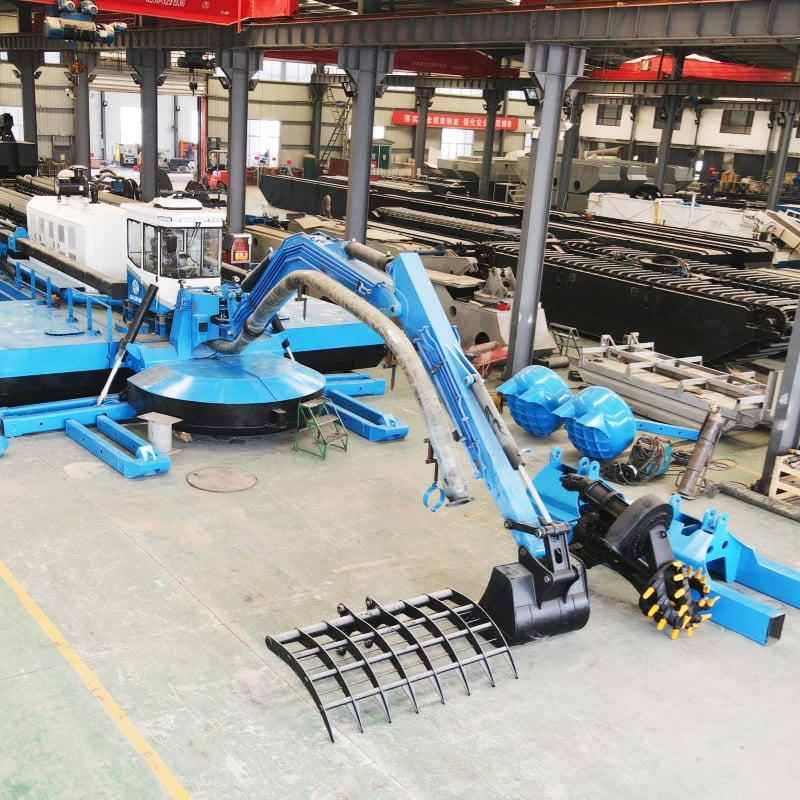
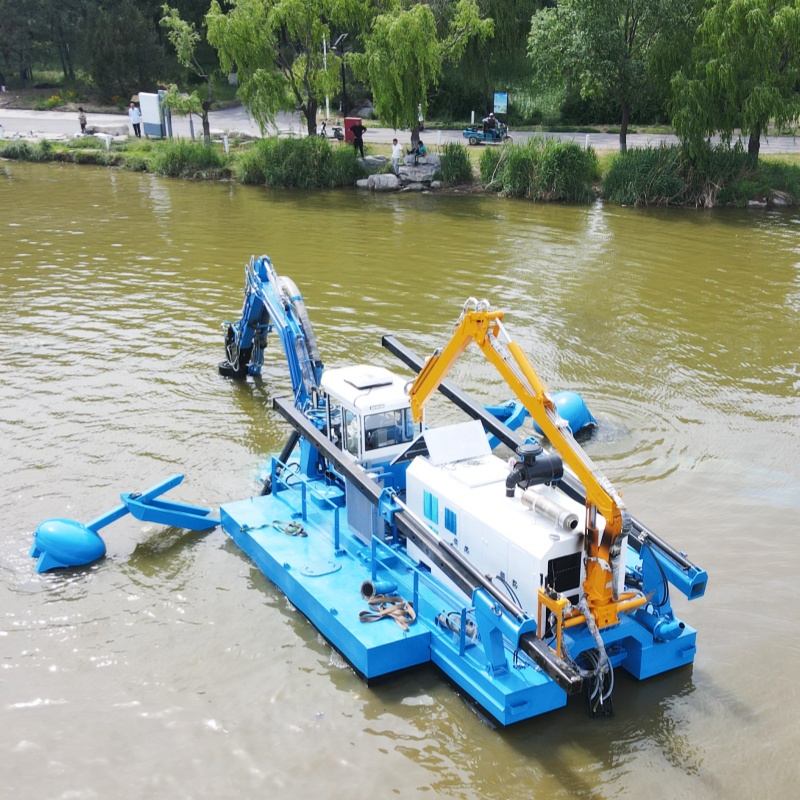
Mobility  and Operation:  Depending on your site conditions, the mobility of the dredging equipment can be a critical factor. Equipment such as amphibious dredgers is designed to operate in shallow water and marshy areas where traditional dredgers may struggle. Evaluate your  project’s terrain and choose equipment that offers the necessary mobility. For enhanced versatility, consider the Amphibious Equipment options available.


Safety Features: Safety should not be overlooked when selecting dredging equipment. Look for features such as emergency shut-off systems, protective guards, and operator  safety training options. These ensure safe operation and compliance with regulations.

By confirming these  specifications, you can ensure that the dredging equipment will meet the operational demands of your project.

Frequently Asked Questions

What types of lake dredging equipment do you offer?

We provide cutter suction dredgers, amphibious dredgers, and excavators tailored for lake and river projects, available in various sizes and configurations to meet depth and capacity needs.
Yes. Our machines carry ISO and CE certifications, ensuring compliance with international quality and safety standards for operation and manufacturing.
Yes. Our cutter suction and amphibious dredgers are designed for varied soils, depths, and water conditions, offering adjustable cutter heads and propulsion suited to soft to medium-hard substrates.
We offer technical guidance, spare parts supply, maintenance training, and remote troubleshooting to ensure long-term, efficient operation of your equipment.
We serve 93 countries from a 12,000 m² facility. Lead times vary by model and customization; typical delivery ranges from weeks to a few months after order confirmation.

Get a Free Quote

Our representative will contact you soon.
0/1000