Lake Weed Harvester for Sale: Key Insights

application/lake-weed-harvester-for-sale, application/lake-weed-harvester-for-sale, 
Inquiry
Inquiry

lake weed harvester for sale

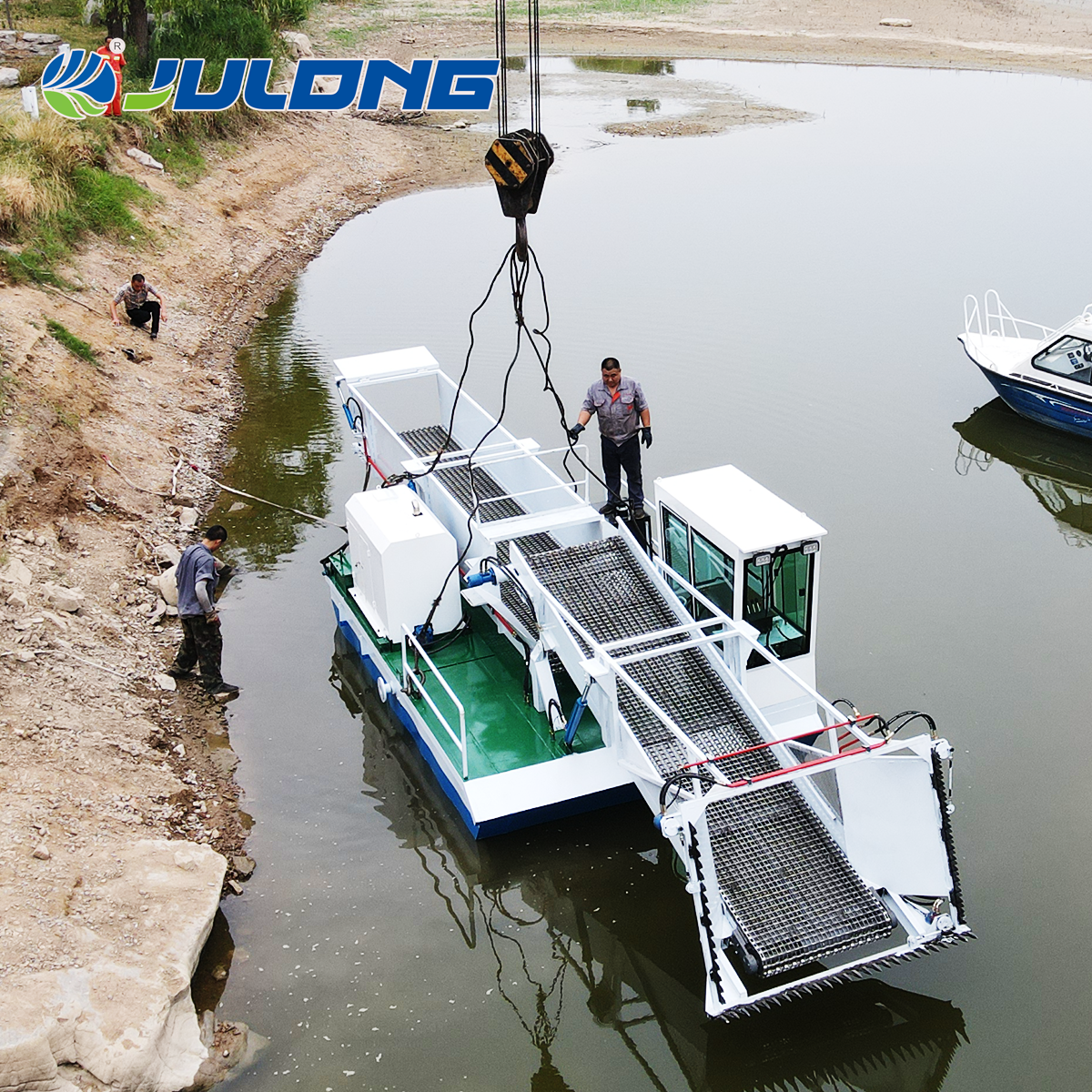
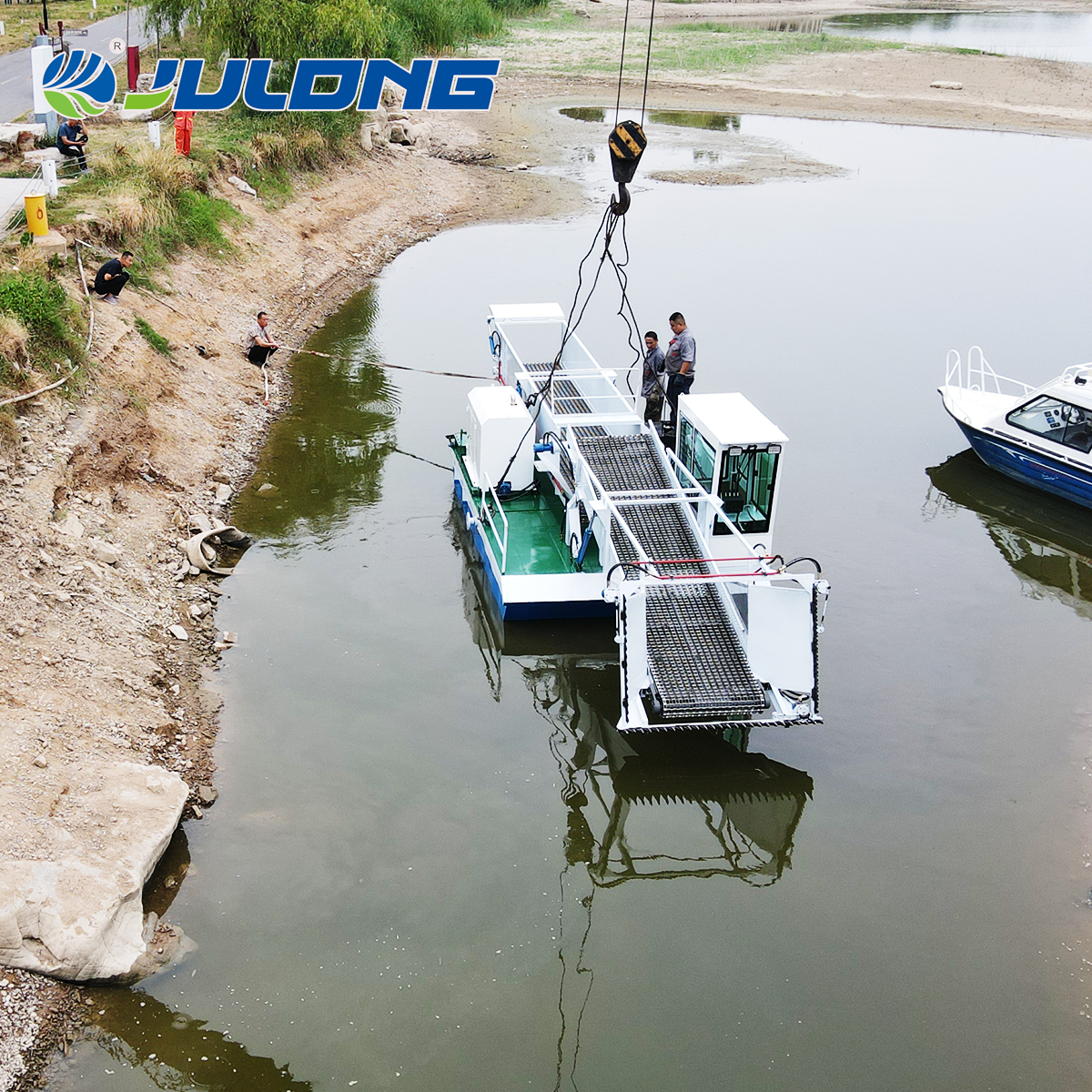
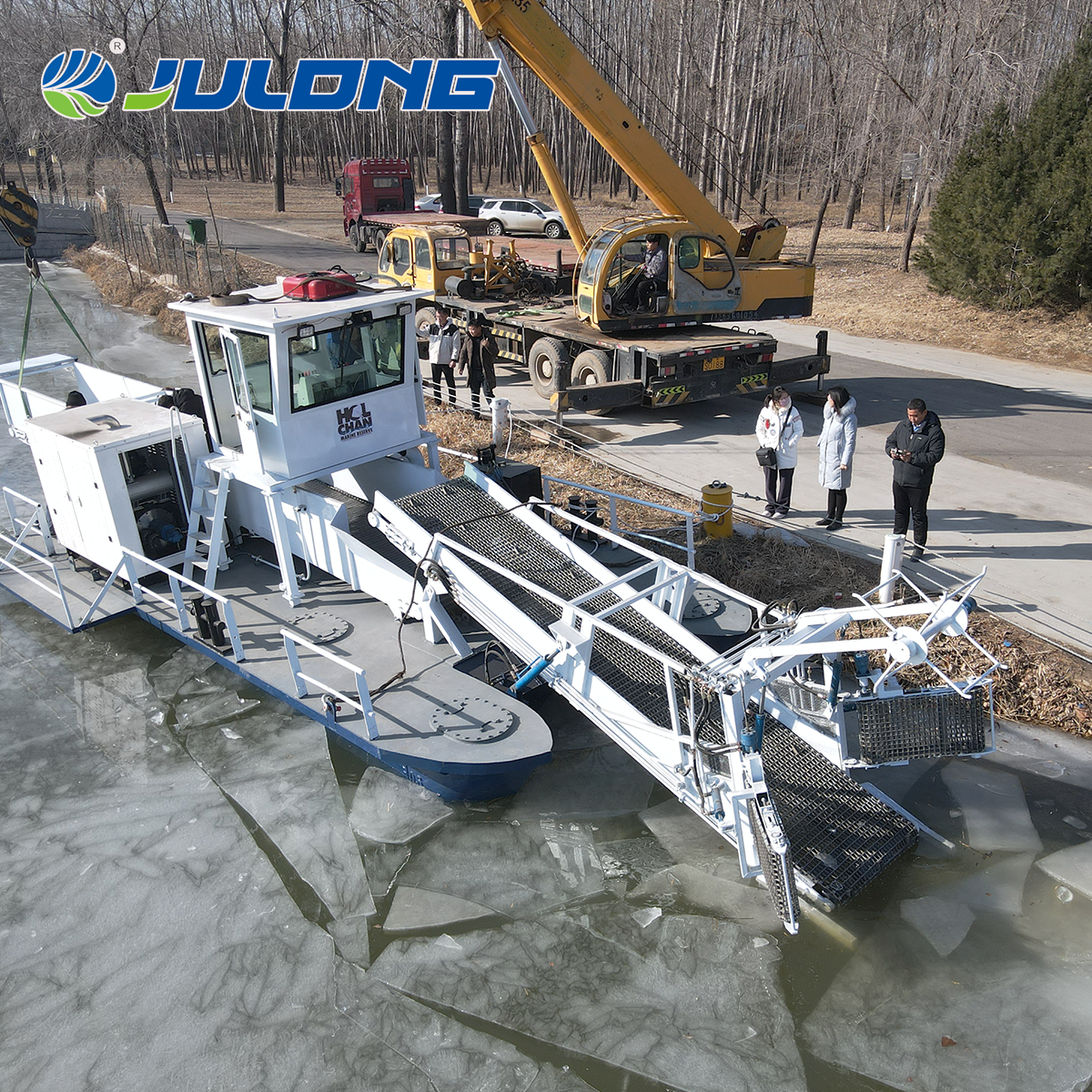
A lake weed harvester is a specialized machine  designed for removing aquatic  vegetation from lakes,  ponds, and other bodies of water. As a  B2B buyer, your main concerns  may include the harvester's efficiency,  durability,  and suitability for your  specific  project needs.  This article will provide you  with essential insights  into  selecting the right  lake weed  harvester  for sale, including key features, cost considerations, and common  challenges  faced  during operation.

 
What You Should Know

What You Should Know

Before purchasing  a  lake  weed harvester, it's  crucial to familiarize yourself with its specifications and capabilities. Key aspects to consider include:

Cutting Width: This determines how much area can be covered in a single pass. Wider harvesters can increase efficiency but may be less maneuverable. Engine  Power: A more powerful engine can enhance performance,  especially in challenging conditions with  dense vegetation. Material  Construction: Look for robust materials that can withstand harsh environments and  prolonged exposure to  water. Stainless steel components can prevent corrosion and prolong the  machine's lifespan. Operational Features: Some harvesters come  equipped with advanced features like automated controls, GPS tracking, and real-time  monitoring systems, which  can  enhance  operational efficiency and ease of use.

Understanding these specifications  will help you make an  informed decision and ensure the harvester  meets your  operational requirements.

Features and Benefits Explained

Features and Benefits Explained

Lake weed harvesters come with various features designed to enhance  their  functionality and efficiency. Here are some significant features and their corresponding benefits: 

  Cutter Head Design: A well-designed cutter head is critical for effective weed removal. Look for models with adjustable cutting heights and various  blade options to handle different types of vegetation. Self-Loading Capabilities: Some harvesters can self-load  and transport the harvested material, reducing labor costs  and enhancing overall efficiency.  Maneuverability: Harvesters designed for tight spaces or shallow waters should feature  a compact design or amphibious capabilities, allowing them to navigate easily  in diverse environments. Durability: Features such as  reinforced hulls and corrosion-resistant  coatings  can  significantly extend the life of the machine, reducing long-term costs. Ease of Maintenance: Machines  designed for easy access to components for routine maintenance can reduce downtime and keep  your project on schedule. 

When evaluating  potential harvesters, consider how these features align with your operational goals and the  specific  challenges  you anticipate.

Understanding Cost Factors for Lake Weed Harvesters in Bulk

Understanding Cost Factors for Lake Weed Harvesters in Bulk

When purchasing lake weed harvesters in bulk, several cost factors come into play. The initial  price of the harvester is only  one aspect of the  total cost  of ownership. Here are some key factors  to consider: 

  Unit Price: The base cost of the  harvester can vary significantly based  on specifications, features, and brand reputation. Comparing multiple suppliers  can help you find the best value for your investment. Shipping and Handling Fees: Depending on the location of your  project, transportation costs can  add significantly to the overall price. Ensure that you factor in  these costs when negotiating with suppliers. Maintenance and Repair Costs:  Consider  the long-term costs associated with maintaining the harvester. Machines with advanced features may require specialized knowledge for repairs, potentially increasing service costs. Operational Costs: Fuel consumption, labor for  operation, and wear-and-tear on the  machine should also be part of your  cost analysis. Efficient models may reduce operational costs over time. Customization Options: If you require specific modifications to the harvester, such as additional cutting capabilities or enhanced mobility features, these  customizations can significantly affect the price.

Understanding these factors will enable  you to budget effectively and make a well-informed purchasing  decision.

Common Issues with Lake Weed Harvesters and Their Solutions

Despite  their effectiveness, lake weed harvesters can encounter various operational challenges.  Here are some common issues and practical solutions: 

Clogging: One of the most frequent problems is clogging of  the cutting mechanism, particularly when dealing  with  dense or tangled vegetation. Regular maintenance and cleaning of the cutter head can help prevent this.  Additionally, training operators  on proper cutting techniques can minimize clogs. Engine Overheating:  Inadequate  cooling or prolonged operation without breaks can lead to engine overheating. Ensure that the harvester is  equipped with  an efficient cooling system and that operators are trained to monitor engine temperatures during use. Wear and Tear: Regular inspection of blades and other critical components is essential to avoid unexpected failures. Establish a comprehensive maintenance schedule to address wear and  tear proactively. Limited Maneuverability: If the harvester struggles in tight spaces or shallow waters,  consider modifications or attachments that enhance maneuverability. This could include changing  the harvester's hull design or adding amphibious capabilities.

By anticipating these challenges and implementing appropriate solutions, you can enhance the operational efficiency  and longevity of your lake weed harvester.

In summary, selecting the right lake weed harvester requires a  comprehensive understanding of your  project needs, the machine's specifications, and the potential challenges involved in  operation. By considering these factors and engaging with experienced suppliers, such as JLCSD700 Cutter Suction Dredger, you can ensure a successful purchase that  meets your operational  requirements effectively.

Choosing the Right Lake Weed Harvester for Your Project Needs

Selecting the  right lake weed harvester  begins with understanding your project's unique requirements. Consider factors such as the type and density of weeds, the  size  of  the water body, and specific operational goals. For example,  if  your project involves removing  thick, dense vegetation, a harvester with a powerful cutting mechanism may be necessary. Conversely, for light  weed growth, a smaller, more maneuverable machine may suffice.

Additionally, evaluate  the  machine's operating depth and width, as these  specifications can  affect its  efficiency in  accessing hard-to-reach areas. Make sure to also consider  the harvester's mobility, especially if the working environment includes shallow or marshy  areas. As an industry expert, I recommend discussing  your specific applications with a supplier, such as the JLWB1600 Multi-function Work Boat, to ensure the  machine aligns  with your operational needs.

Frequently Asked Questions

What are the main features of your lake weed harvester?

Our lake weed harvester offers robust cutter systems, high-capacity conveyors, corrosion-resistant hulls, and efficient engines for continuous aquatic plant removal in lakes and reservoirs.
Yes. We customize cutter types, conveyor lengths, power options, and hull configurations to match water depth, vegetation density, and transport requirements.
We hold ISO and CE certifications and manufacture in a 12,000 m² facility following strict quality control and durable component sourcing.
We offer technical support, remote troubleshooting, on-site commissioning, and stocked spare parts to ensure minimal downtime and long-term operation.
We supply to 93 countries with export packaging, shipping coordination, and logistics support to deliver machines safely to project sites worldwide.

Get a Free Quote

Our representative will contact you soon.
0/1000