Choosing Hydraulic Dredging Equipment: Key Insights

application/hydraulic-dredging-equipment, application/hydraulic-dredging-equipment, 
Inquiry
Inquiry

hydraulic dredging equipment

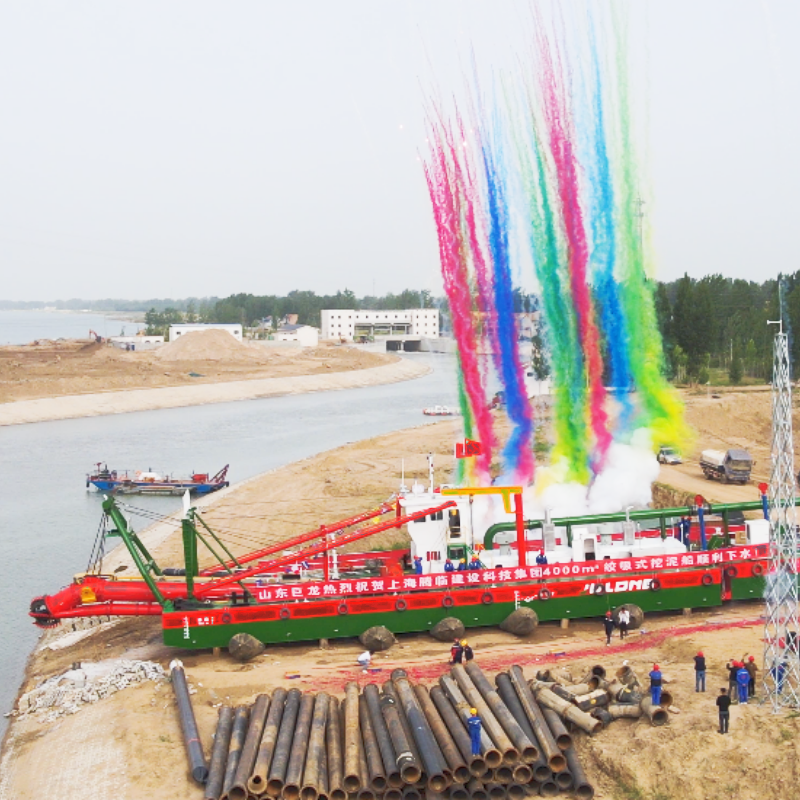
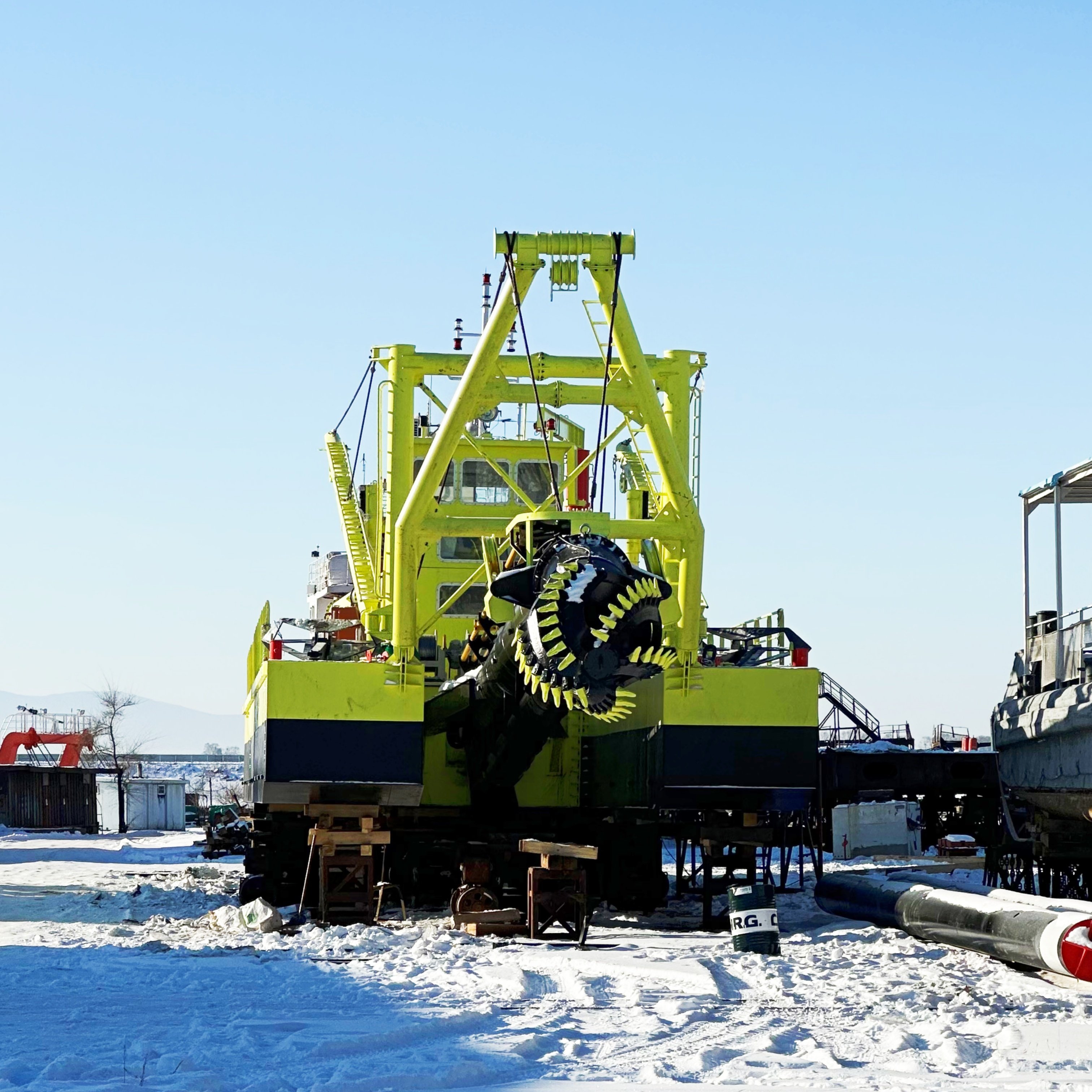
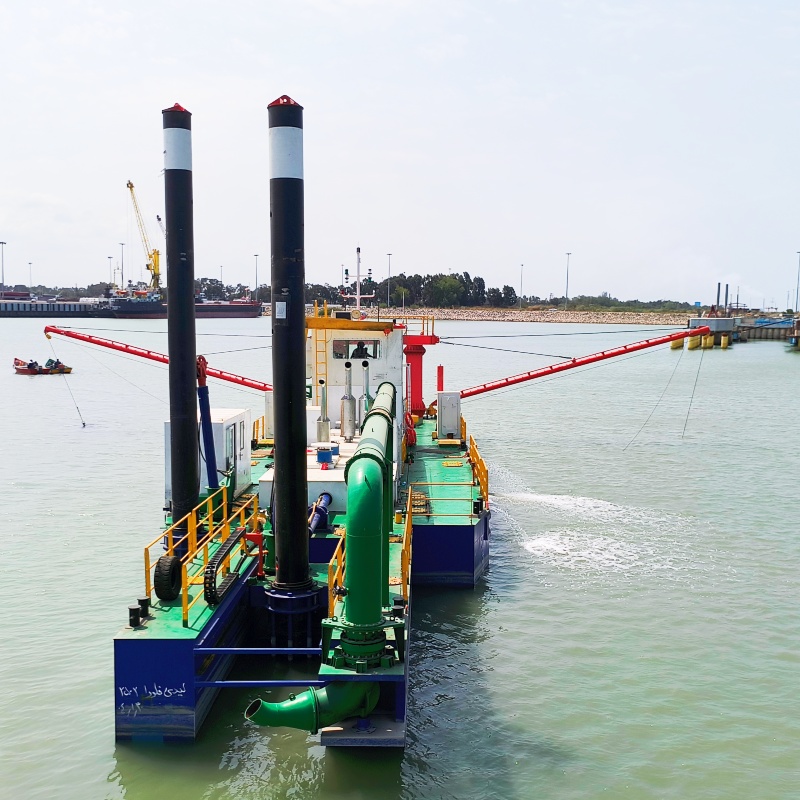
Hydraulic dredging equipment plays a crucial role in various industrial applications, particularly  in  the maintenance and development of waterways such  as rivers, lakes, and ports.  This specialized equipment  is designed to excavate  and  transport  materials, making it essential for projects that involve  sediment removal  or land  reclamation. Buyers often face challenges  in  selecting the right equipment, ensuring quality, and  understanding  operational requirements. , we  will provide  insight into the key considerations  for choosing  hydraulic dredging equipment, evaluating its quality, addressing  common problems, discussing its best applications, and outlining installation guidelines. For instance, if you are interested in a powerful option, consider the JLCSD700 Cutter Suction Dredger – 7,000 m³/h Heavy-Duty Hydraulic Dredging Vessel.

How to Evaluate the Quality of Hydraulic Dredging Equipmen

How to Evaluate the Quality of Hydraulic Dredging Equipmen

Evaluating the  quality of hydraulic dredging equipment involves examining several critical aspects:

Certifications: Verify whether the  equipment complies with industry standards. Certifications like ISO and CE indicate adherence to quality  management and safety standards,  providing assurance of the product's reliability.

Build Quality: Inspect the welds, joints, and overall construction. High-quality equipment will have  robust assembly and finish, ensuring longevity and performance  under demanding  conditions.

Performance Testing: Request performance data or test results from the manufacturer. This could include metrics on pump efficiency, fuel consumption, and operational capacity.

Warranty  and Support: A strong warranty  and customer  support indicate  confidence  in the product’s quality. Buyers  should inquire about the terms of the warranty  and the availability of after-sales support.


User Reviews and Case Studies: Look  for testimonials or  case studies from previous customers.  These can provide insights into the equipment’s performance  and reliability in real-world  conditions.

Common Problems with Hydraulic Dredging Equipment and Their Solutions

Common Problems with Hydraulic Dredging Equipment and Their Solutions

Hydraulic dredging equipment  can encounter several common issues during operation. Below  are some typical  problems and their solutions:

Clogged Suction Lines: This can occur when dredging  materials with high sediment content or debris. Regular maintenance and periodic cleaning of the suction lines can prevent clogs. Operators should also monitor  the material being dredged to avoid excessive debris.

Hydraulic System Failures: Hydraulic systems are susceptible to leaks and pressure  loss. Regular  inspections and maintenance of hydraulic hoses, fittings, and seals are  essential. Operators should be trained to recognize early signs of  hydraulic  failure.

Wear and Tear: Over  time, components such as pumps and cutting  heads may wear down. Implementing a preventive maintenance schedule  and replacing  worn parts promptly can extend the equipment's life  and maintain performance.

Operational Inefficiencies: Factors such as  improper  operation techniques or equipment settings can lead to inefficiencies. Comprehensive training  for operators  and regular assessments of  operational procedures can help optimize equipment performance.

Best Applications for Hydraulic Dredging Equipment in Various Projects

Best Applications for Hydraulic Dredging Equipment in Various Projects

Hydraulic  dredging equipment  is versatile  and can be  utilized in a variety of projects, including:

River and Lake Maintenance: Regular dredging helps maintain navigable waterways by removing sediment buildup, ensuring safe passage for vessels.

Port Development: Dredging is  essential for  creating and maintaining shipping channels, allowing larger vessels to access ports. This is crucial for enhancing trade and logistics  operations.

Land Reclamation: Hydraulic dredgers  are used to reclaim land from bodies of water, creating new  areas for  development.  This application requires precise control  over material placement and environmental considerations.

Environmental  Remediation:  Dredging can also be employed to  remove contaminated sediments from water bodies, assisting  in environmental  cleanup efforts.

Infrastructure Development: Projects that involve the  construction of bridges, docks, or marinas often  require  dredging services to ensure a stable foundation.

Installation Guidelines for Hydraulic Dredging Equipment You Should Follow

Proper installation  of hydraulic dredging equipment is critical  for optimal performance and safety. Here are  some  guidelines to follow:

Site Assessment:  Conduct a thorough site assessment to determine the  best location for installation. Consider factors such  as water depth, sediment  type, and  environmental impact.

Foundation Preparation: Ensure the installation area  is prepared  adequately,  with a stable foundation to support the dredger.  This  may involve leveling the ground and ensuring it can handle the equipment's weight.

Mechanical Setup: Follow the manufacturer’s guidelines for assembling and setting  up the hydraulic system, ensuring  all connections are secure and leak-free.

Electrical Connections: If the dredger requires  electrical power, ensure that the electrical system is installed according to local regulations and that all safety protocols are followed.

Testing and Calibration: After installation, conduct a series of test runs to ensure that all  systems are functioning correctly. This includes calibrating  the hydraulic and control systems to ensure optimal performance.

By considering these factors, buyers can make informed decisions when selecting and installing hydraulic  dredging equipment, ensuring that their projects are executed efficiently and effectively.

What to Consider When Choosing Hydraulic Dredging Equipmen

When selecting hydraulic dredging equipment, several factors must be considered to ensure optimal performance and compatibility with project requirements. Key considerations include:

Type of Dredger: There are various types of hydraulic dredging equipment, including cutter suction dredgers  and amphibious dredgers. The choice depends on the  project’s specific needs, such as the type of material being dredged and the operating environment.

Specifications: Important specifications include dredging depth, suction diameter, and pump capacity. For instance, a dredger with a larger  suction diameter can handle bulkier materials  but may require more power. Understanding these  specifications helps buyers select  equipment that meets their operational  requirements.

Material  Composition: The materials  used in  construction  affect durability and performance. High-quality  steel and corrosion-resistant coatings are essential for equipment that will be exposed to harsh  environments. Buyers should inquire about the materials used in the dredger’s construction and their suitability for the intended application.

Manufacturer Experience: Consideration should be given  to the manufacturer’s experience and reputation in the industry. A company like Qingzhou JULONG Environmental Technology Co., Ltd., which has ISO and  CE certifications, indicates a commitment  to quality and compliance with  international standards.

Customization Options: Projects  may require  specific features or  modifications. Buyers should discuss customization capabilities with manufacturers to ensure their unique needs are met. An example of a customizable option is the Customized Multifunction Work Boat JLWB700 Service Boat Auxiliary Dredging Works.

Frequently Asked Questions

What types of hydraulic dredging equipment do you offer?

We supply cutter suction dredgers, amphibious dredgers, and excavator-mounted dredging solutions tailored for rivers, lakes, and ports.
Yes. Our equipment carries ISO and CE certifications, ensuring compliance with international quality and safety standards.
We provide spare parts, technical manuals, and remote support. On-site service can be arranged from our facility as needed.
Yes. We customize hull, cutter heads, pump capacity, and reach to match project depth, soil type, and environmental requirements.
We serve customers in 93 countries, offering export logistics, installation guidance, and after-sales support from our 12,000 m² facility.

Get a Free Quote

Our representative will contact you soon.
0/1000