Key Insights on Self Propelled Cutter Suction Dredgers

application/self-propelled-cutter-suction-dredger, application/self-propelled-cutter-suction-dredger, 
Inquiry
Inquiry

self propelled cutter suction dredger

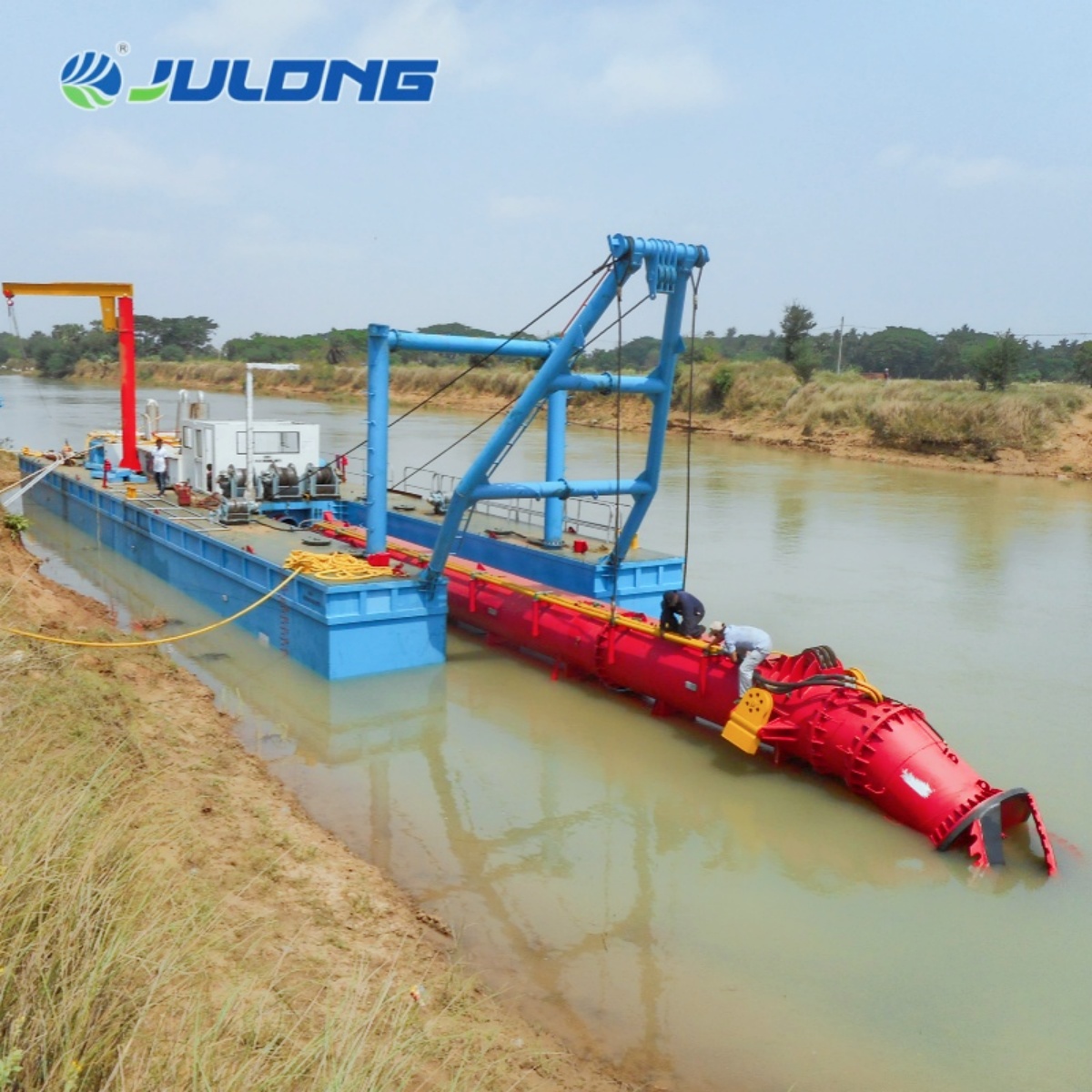
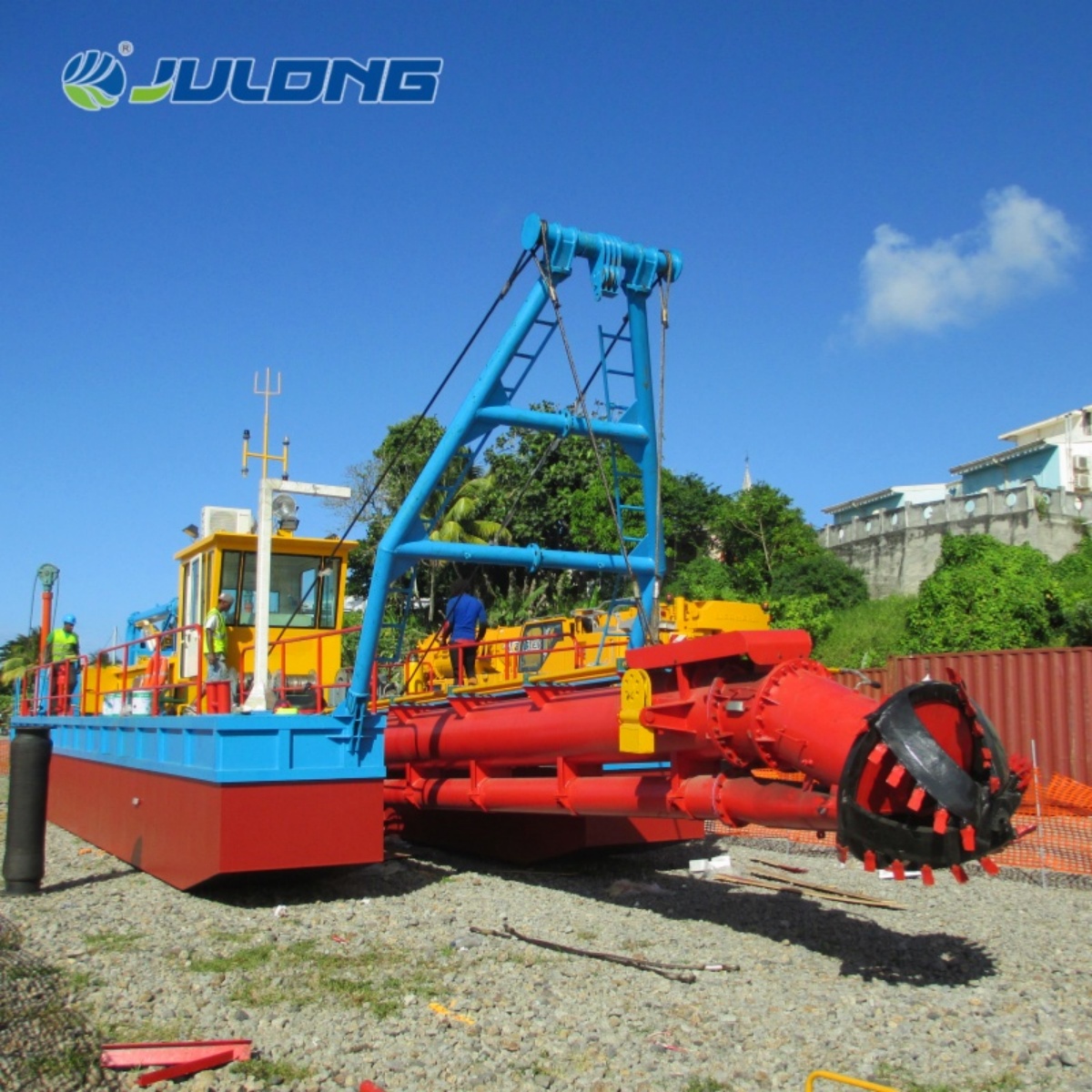
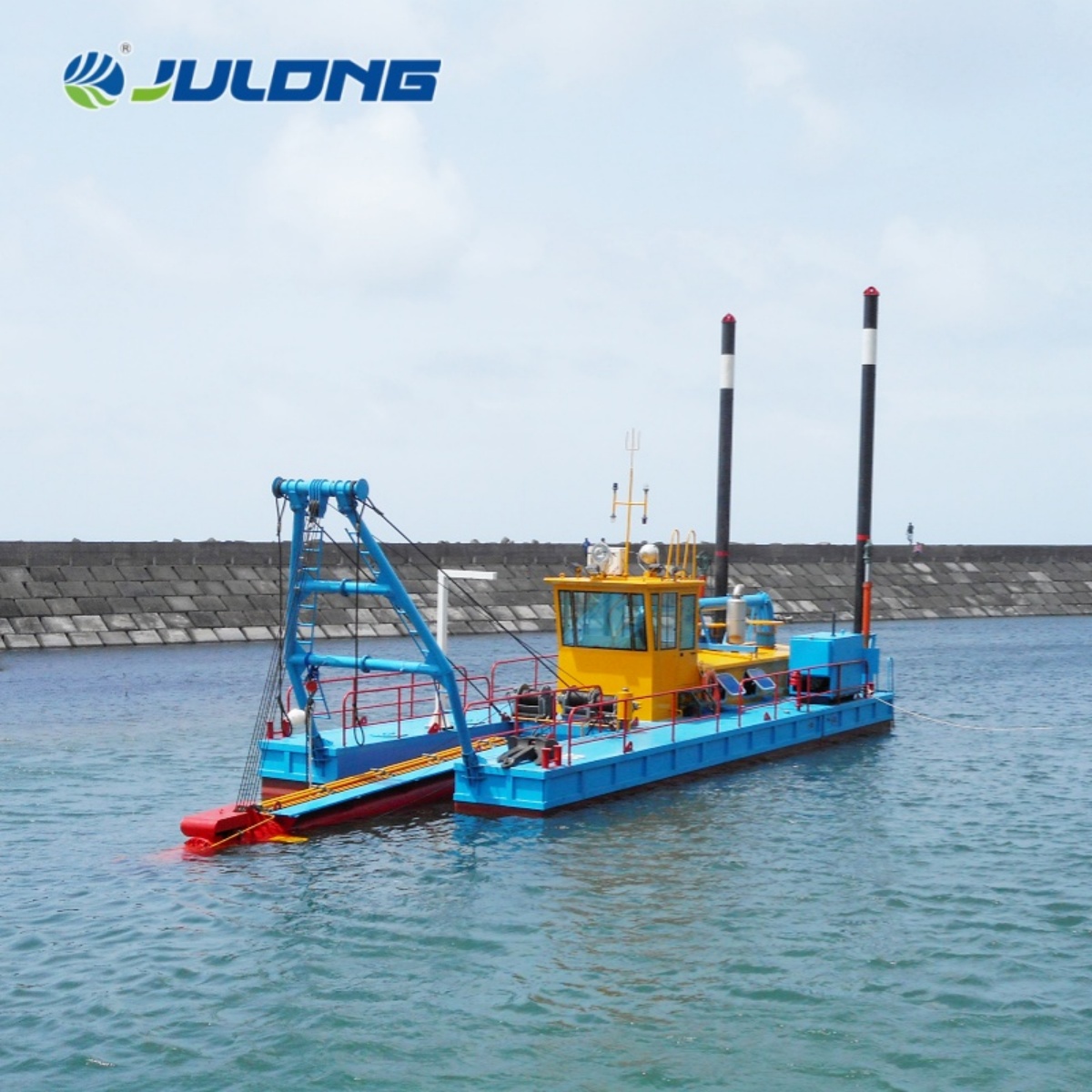
Self-propelled  cutter  suction dredgers  are specialized marine vessels designed for dredging  operations in  rivers,  lakes,  and ports.  These machines combine a powerful  cutter head with  a suction system, allowing them to  excavate sediments  and transport them efficiently. For B2B buyers, including purchasing managers and project engineers,  understanding  the  specifications, sourcing suppliers, and evaluating costs  is crucial to ensure the right  choice for their projects. This article aims to provide  insights  into key specifications, supplier sourcing, cost factors, installation  guidance, and applications of self-propelled cutter suction dredgers.

How to Source Reliable Suppliers for Self Propelled Cutter Suction Dredgers

How to Source Reliable Suppliers for Self Propelled Cutter Suction Dredgers

Sourcing reliable suppliers for self-propelled cutter suction  dredgers involves a systematic approach to ensure quality and dependability. Start by identifying  manufacturers  with a  strong  track record in  the industry, such  as those with ISO and CE certifications, which indicate adherence to international quality standards. 

Next, consider the supplier's manufacturing capabilities. Assess their production facilities, equipment, and technology to ensure they can meet your requirements.  A facility like Qingzhou JULONG Environmental Technology Co., Ltd., which  spans 12,000 square meters  and serves 93 countries, exemplifies a robust manufacturing base that can handle diverse demands. For example, their JLCSD700 Cutter Suction Dredger showcases advanced manufacturing capabilities.

Additionally, customer reviews  and case studies can provide  insights into the  supplier's reliability and product performance. Engaging with  previous  customers can reveal  valuable information  about the supplier's service quality and product durability.

Lastly, verify the supplier's after-sales support. Reliable suppliers should offer maintenance services, spare parts, and  technical assistance, as these factors are crucial for maintaining operational efficiency in  the long run.

Understanding the Cost Factors of Self Propelled Cutter Suction Dredgers

Understanding the Cost Factors of Self Propelled Cutter Suction Dredgers

The cost of self-propelled cutter suction dredgers  can vary significantly based on several factors. Firstly, the specifications such as cutter power, suction diameter, and  dredging  depth  play a significant role in determining  the price. Higher specifications often  result in  increased costs due to the advanced technology and materials used.

Customization options can  also impact pricing. If you require specific features tailored to your project needs, be prepared  for additional costs. For instance, modifications for specific environmental conditions or enhanced operational capabilities may require custom engineering, similar to the Customized Easy Maintenance Cutter Suction Dredger JLCSD200.

Additionally, consider the lead time for production, as longer lead  times can  sometimes  lead  to  increased costs due to project delays. Establishing a clear timeline during discussions  with  suppliers can help manage expectations and budget effectively.

Lastly, shipping  and import  duties may contribute to the overall cost. Ensure that these factors are considered in your budget planning, particularly if sourcing  from  international suppliers.

Installation Guidance for Efficient Use of Self Propelled Cutter Suction Dredgers

Installation Guidance for Efficient Use of Self Propelled Cutter Suction Dredgers

Proper installation  of self-propelled cutter suction dredgers is  critical for efficient  operations. Before installation, it is essential to conduct a thorough site assessment to determine the  best location for dredging operations. This assessment should include considerations for water depth, sediment type, and  environmental regulations.


Once the  site is  chosen,  ensure that all necessary  equipment and tools are available for installation. This  includes securing the dredger to its transport vessel and  ensuring all connections,  such as fuel and hydraulic systems,  are properly set up.

Training for operators is also crucial. Familiarize them with the operational controls and maintenance  requirements of the dredger. A well-trained team  can significantly reduce the risk of  operational issues  and enhance productivity.

Lastly, conduct a test run to evaluate  the dredger's performance in actual conditions. This  will help identify any potential issues before full-scale operations begin, ensuring that the dredger operates efficiently and effectively.

Applications of Self Propelled Cutter Suction Dredgers in Various Industries

Self-propelled cutter  suction dredgers are versatile machines used across multiple industries, primarily in marine construction,  environmental remediation,  and mining. In marine construction, they are essential for maintaining navigation channels, expanding  port facilities, and dredging for underwater  infrastructure projects.

In environmental remediation, these dredgers help remove  contaminated sediments  from water bodies, playing a  vital role  in restoring ecosystems. Their ability  to  operate in shallow waters makes them suitable for delicate environments where traditional  dredging methods may be  too disruptive.

The mining industry also benefits from self-propelled cutter suction dredgers, particularly in the extraction of minerals from riverbeds  and coastal areas. Their efficiency in moving large quantities of material makes them  a  valuable asset for operations requiring  significant dredging capacity.

Understanding the diverse applications of self-propelled  cutter suction dredgers can assist buyers  in recognizing  their suitability for various projects and in making informed purchasing decisions.

Key Specifications to Evaluate in Self Propelled Cutter Suction Dredgers

When assessing self-propelled cutter suction  dredgers,  several key specifications are critical to ensure  optimal performance for specific  applications. Firstly, the dredger's cutter power is paramount; it determines how effectively the machine can break up and remove tough materials such as clay and rock.  A higher cutter power generally equates to  enhanced performance  in challenging  environments.

Another vital specification is the  suction diameter. This affects the volume of material that  can be transported at any given  time. A larger suction diameter typically allows for more efficient  dredging operations, particularly for large-scale projects.

The dredging depth is also an essential consideration.  Each project may  require  different dredging depths based on the site conditions and project requirements. Ensuring that the dredger's  capabilities align with these needs will help avoid operational delays.

Lastly, the discharge  distance should be evaluated. This affects how far the dredged material can be transported from the  dredging site to the  disposal area. Understanding these specifications helps buyers select a dredger that  meets their specific project needs while optimizing efficiency and cost.

Frequently Asked Questions

What is a self propelled cutter suction dredger?

A self propelled cutter suction dredger is a vessel with onboard propulsion and a cutter head that loosens sediment and a pump to suction and discharge material, designed for river, lake, and port dredging operations.
Used for riverbed maintenance, lake desilting, port channel deepening, land reclamation, and sediment removal in civil and environmental projects.
We hold ISO and CE certifications and operate a 12,000 m² facility, ensuring durable manufacturing, quality control, and compliance with international standards.
Yes. The design supports both shallow and moderate-depth operations, with adjustable draft and cutter/pump configurations to suit site-specific depth and material conditions.
Yes. We provide installation guidance, operator training, maintenance support, and supply spare parts to ensure efficient, long-term operation across served regions.

Get a Free Quote

Our representative will contact you soon.
0/1000