Amphibious Excavator for Sale: Key Considerations

application/amphibious-excavator-for-sale, application/amphibious-excavator-for-sale, 
Inquiry
Inquiry

amphibious excavator for sale

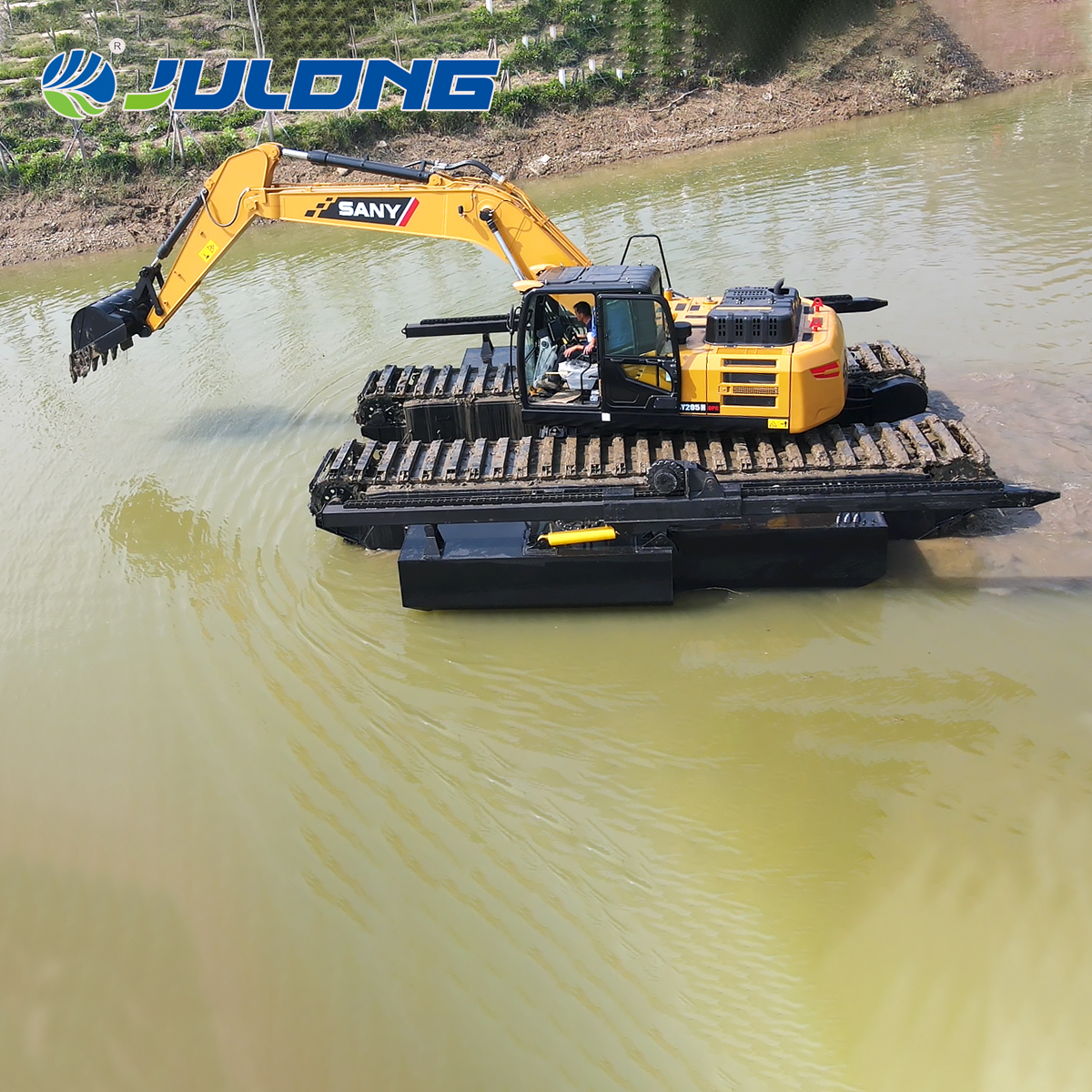
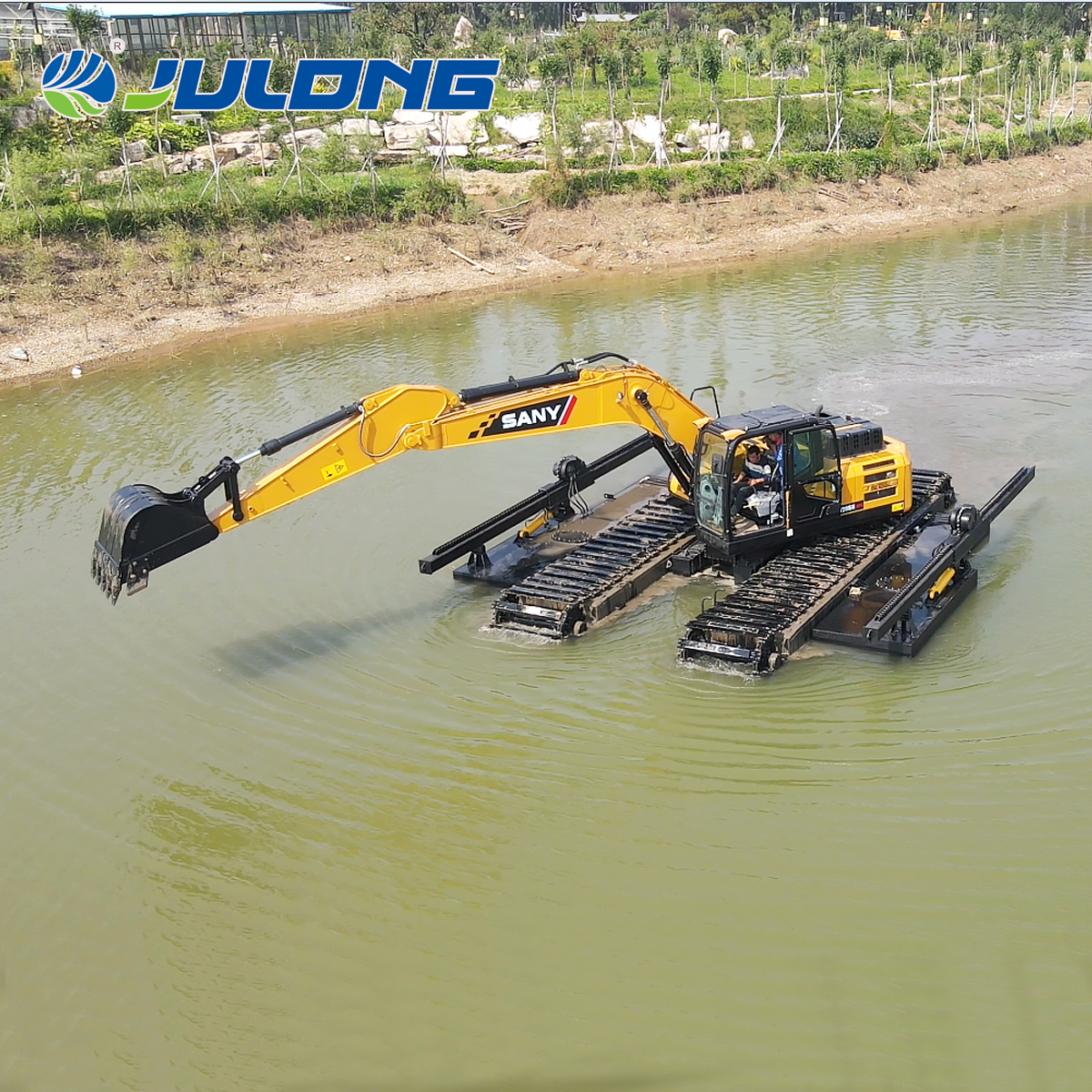
Amphibious  excavators  are versatile heavy  machinery designed  to operate on both land and water, making them essential  for  environmental projects involving  dredging,  land reclamation, and shoreline management. If  you're looking for an amphibious excavator  for sale, understanding key  factors such as  specifications, installation challenges, and applications is crucial  for  making  an informed  purchasing decision. This article will guide  you through considerations  that will help you evaluate  different models and ensure they  meet your operational needs.

Common Installation Challenges with Amphibious Excavators and Solutions

Common Installation Challenges with Amphibious Excavators and Solutions

Installing an amphibious excavator  can come with unique challenges, especially when it comes to ensuring  stability and  operational efficiency in variable terrains. One common challenge is the need for appropriate site preparation. Before installation, the  ground should be assessed for its  load-bearing capacity and potential obstructions. Inadequate  site preparation can lead  to equipment sinking or becoming stuck.

Another challenge is the assembly of the  excavator's components. Many amphibious excavators come in modular designs, requiring  careful assembly to ensure structural integrity. It’s advisable to have trained personnel oversee the installation process.  This minimizes the risk of errors that could lead to operational inefficiencies or safety hazards.

Additionally, environmental conditions  such as water  levels and soil composition can pose  installation challenges. If the  site is  prone  to flooding or has loose soil,  consider using  additional support structures or mats to distribute the weight of the  excavator evenly. Implementing these solutions can  help mitigate installation issues and enhance the equipment's performance.

Applications of Amphibious Excavators in Environmental Projects

Applications of Amphibious Excavators in Environmental Projects

Amphibious excavators are widely used in various environmental projects,  particularly those involving water  bodies. Their ability to operate on  both land and water makes them ideal  for  tasks such as dredging rivers, lakes,  and ports. In dredging  operations, these  machines help in removing sediment and  debris, thus improving water flow and reducing flood risks.

They are also used  for land reclamation projects, where they  assist in creating new land by excavating  and  transporting materials. This application is  crucial in areas  where land is scarce or where  there is a need to  restore habitats.

Furthermore, amphibious excavators play a significant role in ecological restoration efforts. They help in managing wetlands by removing invasive species and restoring natural habitats for  wildlife. Their versatility allows them to navigate through delicate ecosystems without causing significant damage, making them a preferred  choice for environmental engineers  and project managers.

How to Assess Material Advantages of Amphibious Excavators

How to Assess Material Advantages of Amphibious Excavators

Evaluating the material advantages of amphibious excavators is essential for ensuring that the equipment can withstand the rigors of its intended application. The primary  materials to consider are  the frame,  undercarriage, and track  system.

Steel is commonly  used for the frame  due to  its strength and durability. However, the type  of  steel can vary,  with high-tensile options offering improved  resistance to wear and tear. Buyers  should inquire about the specific grade of steel used in the  construction of the excavator to understand its performance capabilities.

The undercarriage's material is equally important, particularly  for amphibious applications. Rubber tracks are often preferred for their ability to  provide traction  in soft, marshy environments while minimizing damage to the terrain. Conversely, steel tracks may offer  better durability on rocky or abrasive surfaces but can potentially harm softer ground.

Finally, consider  any protective coatings applied to the excavator. These coatings  can enhance corrosion resistance, especially in environments with high moisture or chemical exposure. Make sure to verify the  manufacturer's claims regarding material advantages and ask for performance data, if available.

Solutions for Common Problems with Amphibious Excavators

Despite their robust design, amphibious excavators can encounter several common problems during operation. One prevalent  issue is track wear, especially in challenging terrains.  To mitigate this, regular maintenance checks should be scheduled,  focusing on track tension and  alignment. Keeping the tracks properly maintained can  extend their lifespan and improve  overall machine efficiency.

Another issue is hydraulic system failure, which can  stem from contamination or improper maintenance. Ensure that you have a routine maintenance program that  includes checking hydraulic fluid levels and replacing filters as  needed. This will help prevent costly downtime caused by hydraulic  failures.

Additionally, operators should be trained to recognize signs of potential issues, such as unusual noises or performance drops.  Early detection can lead to quicker resolutions and  prevent minor problems from escalating into  major repairs.

In  summary, understanding the common challenges associated with amphibious excavators and implementing proactive solutions can significantly enhance the longevity and efficiency of your  equipment. By focusing on  regular  maintenance and operator  training, you can minimize operational disruptions and optimize  performance in your  environmental projects.

What to Consider When Selecting an Amphibious Excavator for Sale

When selecting an amphibious excavator for sale, several factors should be taken into account to ensure the equipment meets your specific operational requirements. First, assess the machine's specifications, including its weight,  loading capacity, and digging depth. These specifications  directly impact the excavator’s performance in various conditions. For  instance, a machine with a higher loading  capacity might be necessary  for large-scale dredging operations, such as the JLCSD700 Cutter Suction Dredger – 7,000 m³/h Heavy-Duty Hydraulic Dredging Vessel.

Next, consider the material composition of the excavator. Many models utilize durable steel for the frame and undercarriage, providing strength and resistance  against  harsh environmental conditions. Pay attention  to the tracks as well; rubber tracks  are preferred for softer terrains like marshes and wetlands, while steel tracks are better suited for rugged surfaces.

Additionally, evaluate the manufacturer's reputation and certifications. For example,  Qingzhou JULONG Environmental Technology Co., Ltd.  holds ISO and CE certifications, indicating adherence  to international  quality and safety  standards. This can provide reassurance about the machine's reliability and  performance.

Lastly,  think about customization options. Depending on your project's specific  needs, you may require attachments such as dredging heads or specialized buckets. Ensure that the manufacturer  can accommodate these customizations without  significant delays  in lead time. For instance, the JLWB1600 Multi-function Work Boat offers versatile attachments suitable for various marine operations.

Frequently Asked Questions

What applications suit this amphibious excavator?

Ideal for river, lake, wetland, marsh, and port projects requiring dredging, bank restoration, and soft terrain excavation with stable flotation and mobility.
Manufactured in an ISO/CE certified facility with quality controls in a 12,000 m² plant to ensure durable and reliable performance.
Options include hull size, engine power, boom reach, work attachments, and corrosion protection tailored to project needs and water conditions.
We supply global spare parts, technical manuals, remote support, and maintenance guidance to ensure continuous operation across 93 served countries.
Contact our sales team with project details—site conditions, work depth, and capacity needs—for a tailored quote and equipment recommendation.

Get a Free Quote

Our representative will contact you soon.
0/1000