How to Choose the Right Work Barge for Sale

application/work-barge-for-sale, application/work-barge-for-sale, 
Inquiry
Inquiry

work barge for sale

Choosing the right work barge for your project can  significantly impact the  efficiency  and success of your operations. A work barge  is a  versatile floating platform used in various marine and construction applications,  such  as  dredging,  transportation, and construction in water bodies. This article will  cover  essential considerations for  selecting a work barge for sale, helping B2B  buyers like purchasing managers and project engineers make informed decisions. Key concerns such as  specifications, cost factors,  installation challenges,  and  features will be  addressed to ensure  that your investment meets project  requirements effectively.

Key Specifications to Evaluate When Buying Work Barges

Key Specifications to Evaluate When Buying Work Barges

When evaluating  work barges for sale, several key specifications should be considered to ensure that the vessel meets your operational needs:

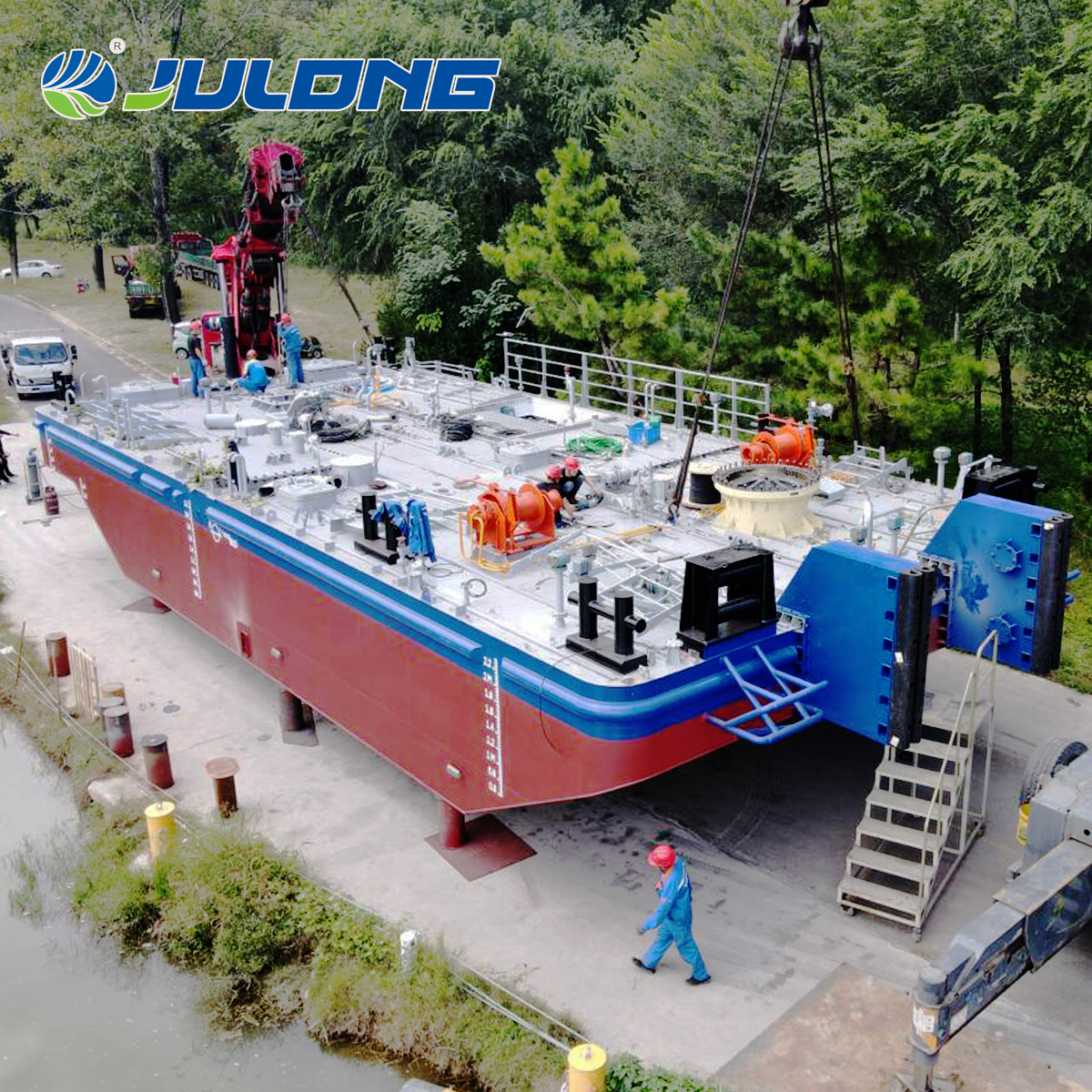
Material  Construction: Work barges  are typically  constructed from steel or aluminum. Steel provides durability and strength, making it suitable for heavy-duty applications, while aluminum is lighter and resistant  to corrosion, ideal for shallow waters.

Dimensions and Weight: The length, width, and  draft of the barge are crucial specifications. These dimensions  affect  stability, maneuverability, and the ability to navigate various waterways.

Engine Power and Fuel Efficiency: The engine specifications will dictate the barge's speed and operational range.  Evaluate the power output and fuel consumption to ensure efficient operation.

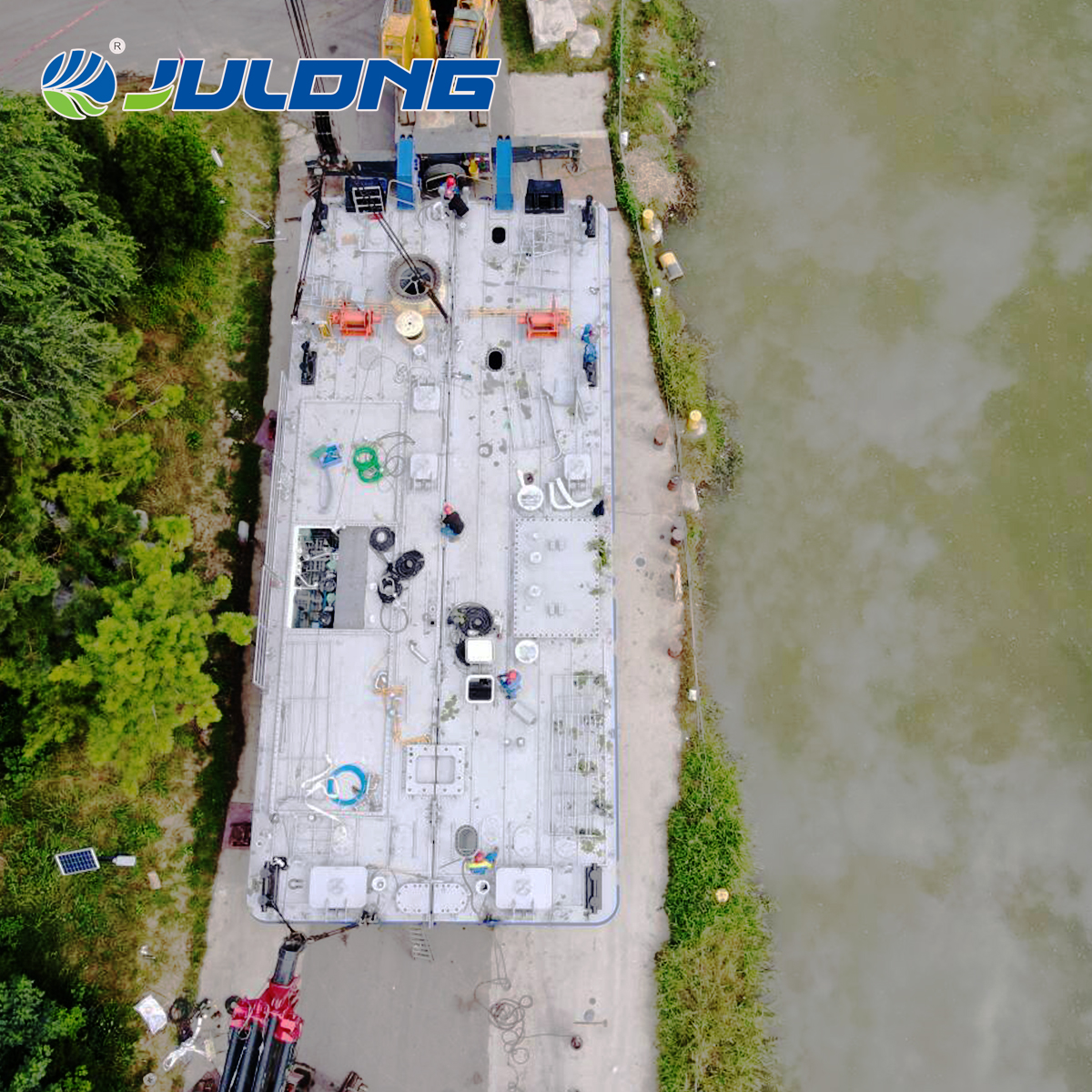
Deck  Layout and Equipment: The layout  of the deck affects  functionality. Check  for features like winches, cranes,  and storage areas that may be necessary for your specific  tasks.

Safety Features: Safety should be a priority. Ensure the barge includes essential safety features such  as handrails, life jackets,  and emergency  signaling equipment.

By assessing these specifications, you can ensure that  the  work barge you choose will be effective and safe for your intended applications.

Cost Factors to Consider When Purchasing Work Barges

Cost Factors to Consider When Purchasing Work Barges

The cost of a work barge can vary  significantly based on  multiple factors. Here are some critical cost considerations:

Initial Purchase Price: This is the  base cost of the barge. It can vary widely depending on the  size, materials,  and features.

Customization Costs: If your project requires specific modifications, factor in the  additional costs for customization. Custom features  can enhance functionality but will also increase the overall price.

Operational Costs: Consider ongoing operational costs, including fuel consumption, maintenance, and repair expenses. A barge with better fuel efficiency may have a higher upfront cost  but  could save money in the long run.

Financing  Options: Explore financing options that may be available for purchasing work barges. This may include  leasing or loan arrangements  that can ease the financial  burden.

Resale  Value: Consider the potential  resale value if you plan to upgrade or change equipment in the future. A barge with  a strong  reputation for durability  may retain its value better  than others.

Understanding these cost factors can help you budget effectively for your work barge purchase.

Common Installation Issues with Work Barges and Solutions

Common Installation Issues with Work Barges and Solutions

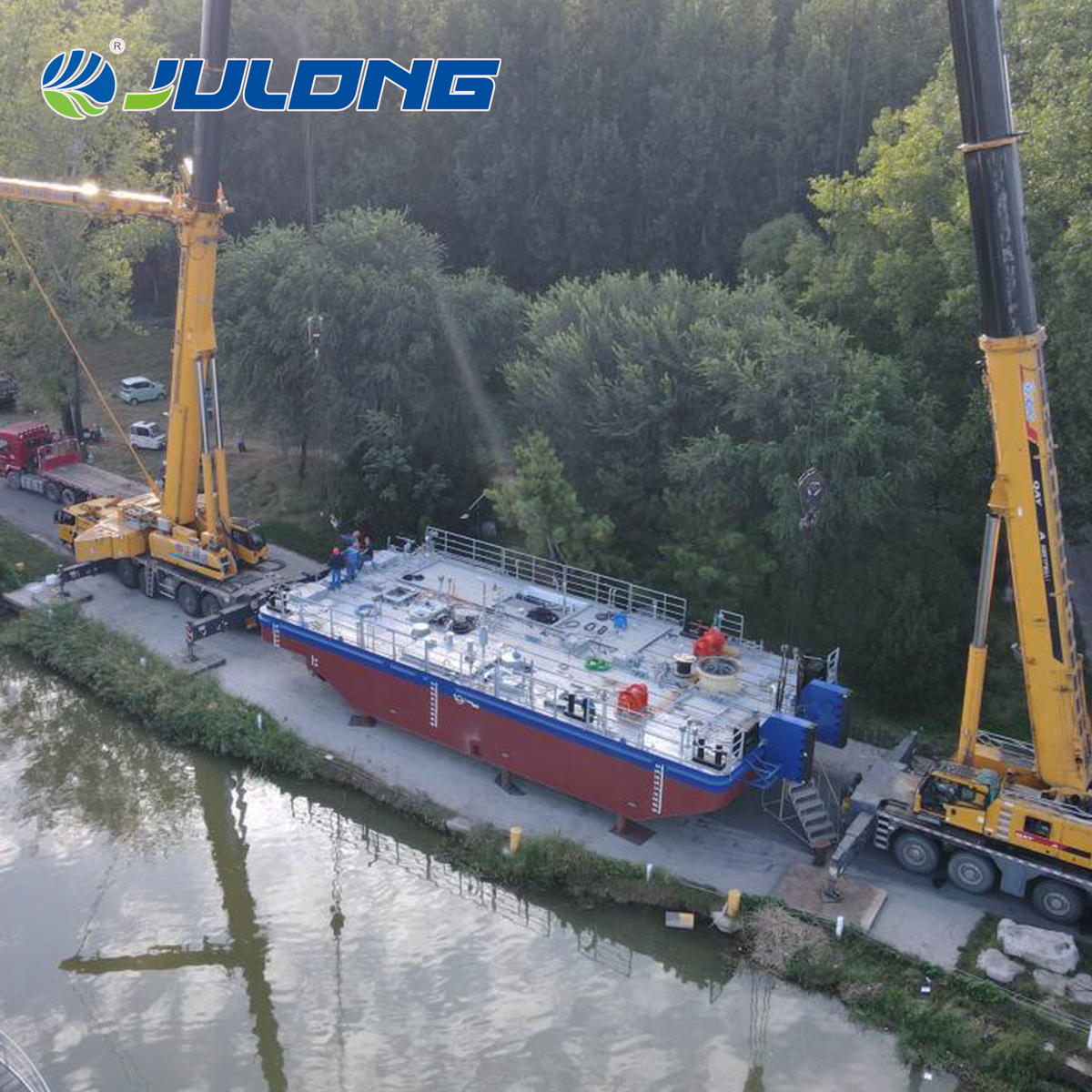
Installing a work barge involves various challenges that can impact project timelines. Here are common issues encountered during installation and practical solutions:

Water  Depth and Accessibility: Shallow waters or difficult access points can impede the installation of a barge. Planning  site access and potentially using smaller tugboats or other equipment  can help maneuver  the  barge  into place.

Tidal Changes and Weather Conditions:  Sudden changes in tides or adverse weather can disrupt installation timelines. Monitoring weather forecasts and preparing contingency plans can help mitigate delays.

Leveling  and Stability:  Ensuring that the barge is  level and stable is crucial for safety and operational  efficiency. Use leveling equipment and ballast adjustments to achieve proper  stability during installation.

Connection  to Shore Infrastructure: If the barge needs  to be connected to existing shore  facilities or  equipment, ensure compatibility in design and specifications. Pre-installation assessments  can help identify any necessary modifications.

By anticipating  these issues and preparing solutions  in advance, you can facilitate a smoother installation process.

Features and Benefits for Buyers

Investing in a work barge can offer numerous features and benefits, making it a  valuable asset for various projects:

Versatility: Work barges  can be equipped for a  range of applications, from  dredging and material transport  to construction and  maintenance tasks. This adaptability makes  them suitable for diverse project requirements.

Durable  Construction: Built to withstand harsh marine environments,  work  barges  made of high-quality  materials ensure  longevity and reduced maintenance costs over time.

Enhanced Safety: Modern work barges come with improved safety features, including  reinforced structures, advanced navigational systems, and compliance with industry  safety standards,  ensuring a safer working environment.

Operational Efficiency:  Equipped  with powerful engines and optimized  designs, work barges can operate efficiently, reducing fuel consumption and increasing productivity on-site.

Customization Capabilities: Buyers can often request specific features tailored to their project needs, making it easier to adapt the barge for various operational tasks. For example, an Aquatic Cleaning Boat might be customized to suit your specific cleaning requirements.

By understanding these features and benefits, buyers can make informed decisions that align with their project objectives and operational needs.

How to Choose the Right Work Barge for Your Project Needs

Selecting the appropriate work barge starts with understanding the specific requirements of your project. Consider the following factors:

Project Type and Location: Determine  whether the barge will be used for dredging, transportation, or  construction.  The project’s location, such as a  river, lake, or port,  will influence the design and capabilities needed. If you're considering dredging, an Amphibious Equipment may also be a viable option.

Load Capacity and Dimensions: Assess the load capacity required for  the barge.  This includes the weight  of the  equipment, materials, and  personnel that will be  on board. Ensure that the dimensions of the barge fit the operational environment,  such as narrow  channels or open water.

Operational Conditions: Consider  environmental factors such as water depth,  tides, and weather conditions. A work barge must be designed to operate efficiently under these varying conditions.

Customization Options: Some projects may require specific features, such as additional deck space or specialized  equipment. Verify the options available for customization  to ensure that the barge meets  the unique demands of your project. For instance, a Multi-Function Work Boat may provide the versatility needed for various tasks.

By clearly defining your project needs,  you can narrow down  the options available in the work barge market.

Frequently Asked Questions

What types of work barges do you offer?

We supply work barges suited for dredging, excavation, and material transport, compatible with cutter suction and amphibious dredgers for river, lake, and port projects.
Yes. Our barges are built in a 12,000 m² facility with ISO and CE certifications, designed for durability and efficient long-term operation.
Yes. We offer customization for size, deck layout, load capacity, and equipment integration to meet project-specific requirements.
We offer technical support, maintenance guidance, and spare parts supply to ensure reliable operation and minimize downtime.
We serve 93 countries. Lead times vary by specification; contact us with project details for a tailored delivery schedule and quote.

Get a Free Quote

Our representative will contact you soon.
0/1000