Key Considerations for Pontoon Excavators for Sale

application/pontoon-excavator-for-sale, application/pontoon-excavator-for-sale, 
Inquiry
Inquiry

pontoon excavator for sale

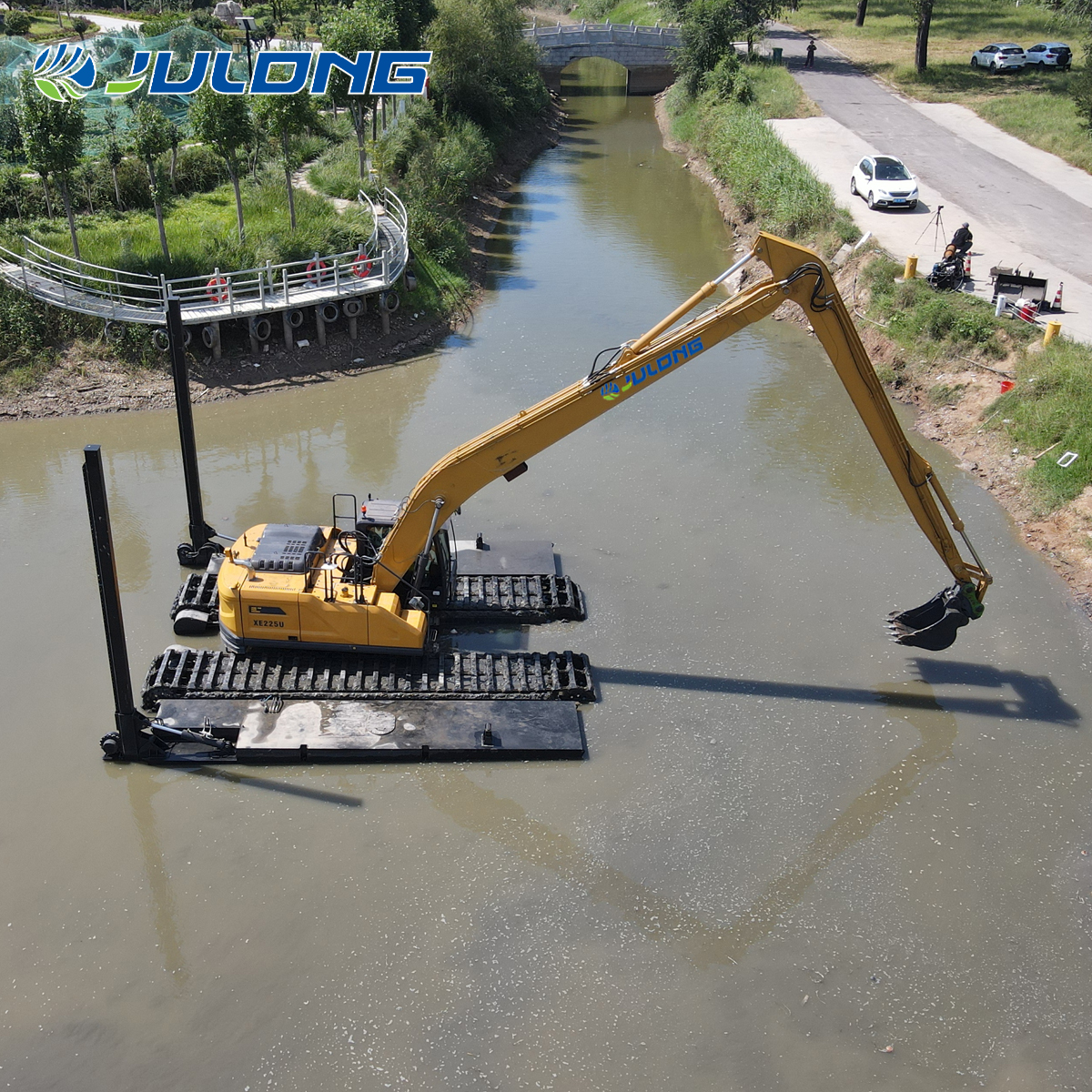
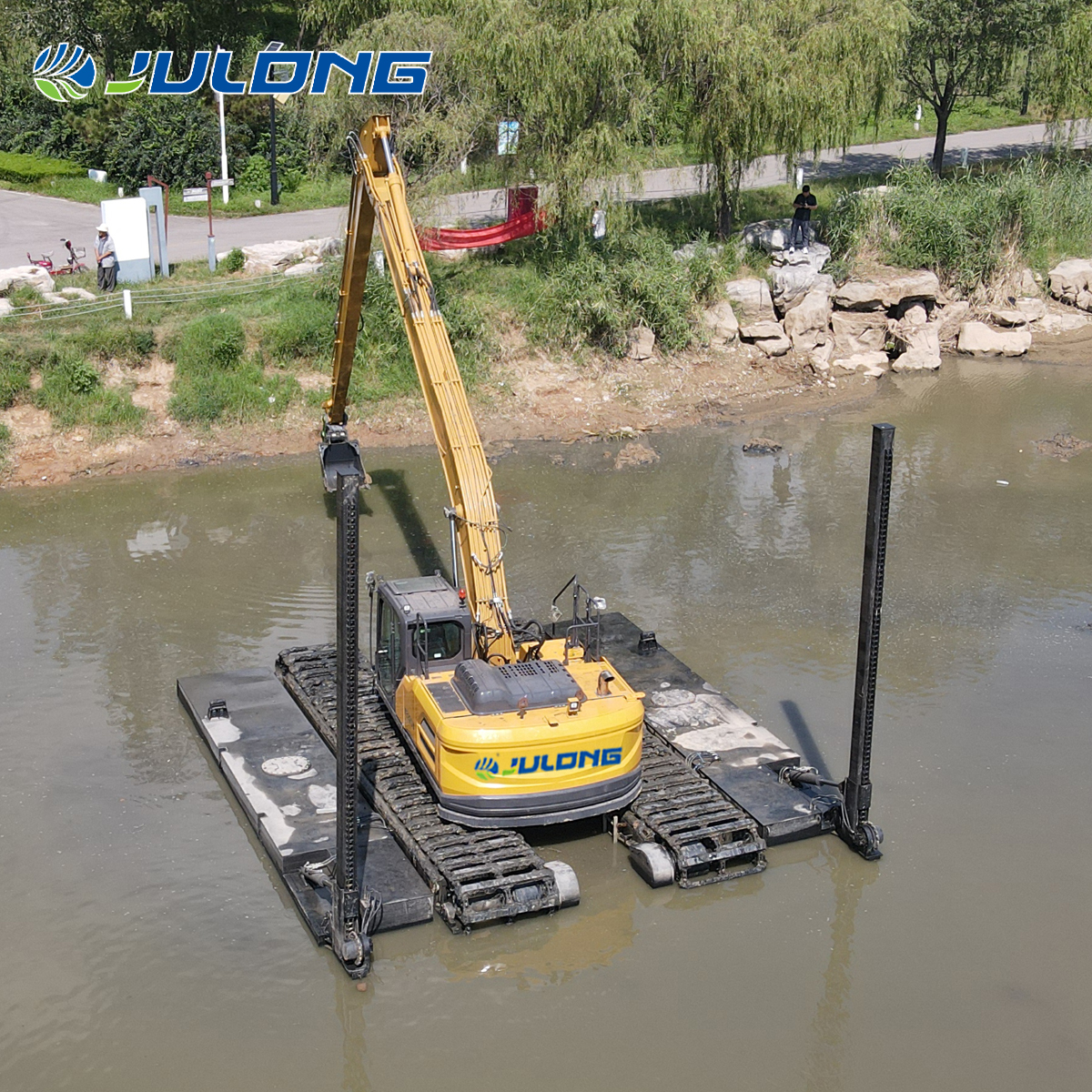
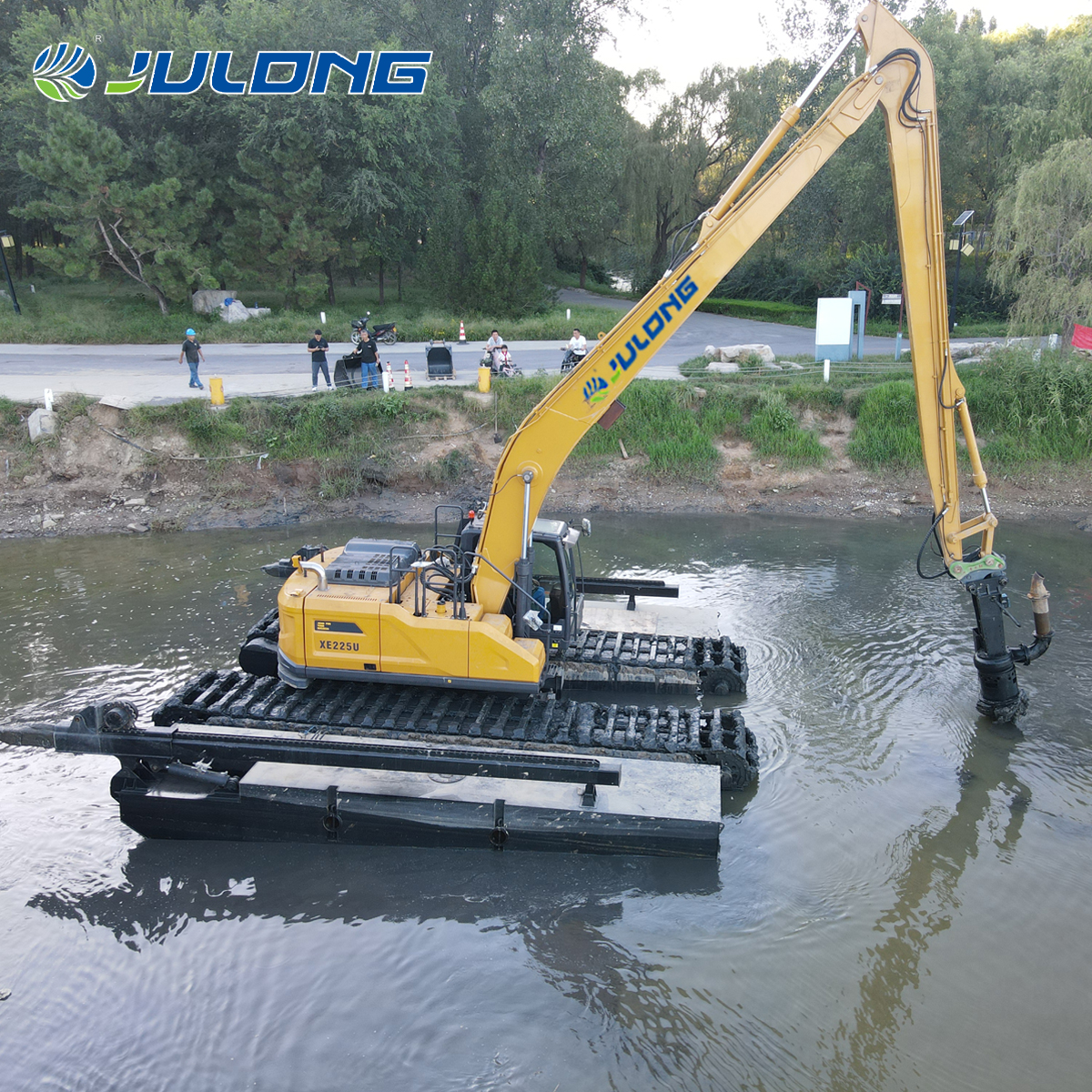
When looking for a pontoon excavator for sale, it's crucial to understand the key features and specifications that will impact your purchase decision. Pontoon excavators are specialized machines designed for dredging and excavation tasks in aquatic environments, such as rivers, lakes, and ports. B2B buyers, including purchasing managers and engineers, often seek durability, efficiency, and the right technical specifications to meet their project needs. This article will guide you through essential considerations when selecting a pontoon excavator, helping you make an informed purchasing decision.

Key Specifications to Evaluate in Pontoon Excavators

Key Specifications to Evaluate in Pontoon Excavators

When evaluating pontoon excavators, several key specifications should be prioritized:

Hydraulic System: The efficiency of the hydraulic system directly affects the excavator's performance. Look for systems with high-pressure ratings for optimal lifting and digging power.

Excavation Depth and Reach: Confirm the maximum excavation depth and reach of the boom. These dimensions should align with your project requirements to ensure effective operation.

Weight and Stability: The weight of the excavator can impact its stability on water. Heavier models may provide better stability but can also be harder to transport. Assess the balance between stability and mobility.

Engine Power and Fuel Efficiency: The engine's horsepower will determine the excavator's operational speed and efficiency. Fuel-efficient engines can save costs over time, especially in larger projects.

Material Quality: Examine the materials used in the construction of the excavator. High-quality steel and corrosion-resistant coatings enhance durability, especially in harsh aquatic environments.

Understanding these specifications enables buyers to select a pontoon excavator that meets both current and future project demands, ensuring long-term value.

How to Compare Costs of Pontoon Excavators for Wholesale

How to Compare Costs of Pontoon Excavators for Wholesale

Cost comparison is a critical aspect of purchasing pontoon excavators. Start by gathering detailed quotes from multiple suppliers, ensuring that each quote includes the same specifications for accurate comparison. Consider the following factors when evaluating costs:

Base Price vs. Total Cost of Ownership: While initial pricing is essential, calculate the total cost of ownership, which includes fuel consumption, maintenance, and repair costs over the machine's lifespan.

Customization Costs: If specific features or modifications are necessary, inquire about associated costs. Customization can enhance the excavator's effectiveness but may also increase the overall price.

Shipping and Handling Fees: Given the size and weight of pontoon excavators, shipping costs can be significant. Be sure to factor these into your overall budget.

Warranty and Service Agreements: A more expensive machine may offer better warranty terms and service packages, which can prevent unplanned expenses in the future.

By carefully comparing these cost elements, buyers can make a more informed decision that balances quality and affordability.

Installation Guidance for Purchasing a Pontoon Excavator

Installation Guidance for Purchasing a Pontoon Excavator

Installation of a pontoon excavator requires careful planning to ensure operational efficiency and safety. Here are some steps to consider during the installation process:

Site Preparation: Assess the installation site to determine if any modifications or preparations are necessary. This includes evaluating water depth, bank stability, and accessibility for transportation.

Assembly Instructions: Review the manufacturer's assembly guidelines thoroughly. Ensure that all components are accounted for and that the assembly aligns with the manufacturer's specifications for optimal performance.

Testing and Calibration: Once assembled, conduct thorough testing of the excavator. Check all hydraulic systems, control mechanisms, and safety features. Calibration may be necessary to ensure that the machine operates within its specified parameters.

Operator Training: Provide comprehensive training for operators to familiarize them with the machine's controls and safety protocols. This can significantly reduce the risk of accidents and enhance operational efficiency.

By following these guidelines, buyers can ensure a smooth installation process, minimizing potential issues during operation.

Quality Assurance Practices for Pontoon Excavators in Manufacturing

Quality assurance is a critical aspect of manufacturing pontoon excavators, ensuring that each unit meets high standards for performance and durability. Key practices include:

Material Inspection: Rigorous checks should be conducted on raw materials before production. High-grade steel and corrosion-resistant coatings are vital for ensuring longevity in aquatic environments.

In-Process Quality Control: Regular inspections during the manufacturing process can help identify defects early. This includes checks on weld quality, hydraulic system integrity, and component fit.

Final Testing: Before shipment, each excavator should undergo comprehensive testing to verify operational performance under various conditions. This may include load testing and hydraulic system checks.

Certification and Compliance: Ensure that the manufacturing facility adheres to recognized quality standards, such as ISO or CE certifications. This compliance is a good indicator of the manufacturer's commitment to quality and reliability.

By implementing these quality assurance practices, manufacturers like Qingzhou JULONG Environmental Technology Co., Ltd. can deliver pontoon excavators that meet or exceed buyer expectations, resulting in higher customer satisfaction and lower return rates. JLWB1600 Multi-function Work Boat is another example of a reliable product that showcases commitment to quality.

Understanding the nuances of purchasing a pontoon excavator for sale is crucial for achieving project success. By focusing on selection criteria, key specifications, cost comparisons, installation guidance, and quality assurance practices, buyers can make informed decisions that lead to effective and efficient operations in their aquatic projects.

What to Consider When Choosing a Pontoon Excavator for Sale

Choosing the right pontoon excavator involves several critical factors. Buyers should first evaluate the intended application. Different projects may require specific capabilities such as dredging depth, reach, and operational efficiency. For example, a pontoon excavator designed for deeper lakes may need a longer boom and a more powerful engine compared to one used in shallow waterways. Models like the JLCSD700 Cutter Suction Dredger – 7,000 m³/h Heavy-Duty Hydraulic Dredging Vessel are specifically built to handle such demanding environments.

Another important consideration is the environmental conditions in which the excavator will operate. Factors like water salinity, sediment type, and potential obstacles in the waterway can influence the machine's performance. Buyers should also assess the logistics of transportation and assembly, as pontoon excavators can be large and may require special handling during delivery.

Finally, the manufacturer's reputation and support services are vital. A reliable supplier like Qingzhou JULONG Environmental Technology Co., Ltd., known for its ISO/CE certifications and extensive export market, can provide assurance of quality and after-sales support, which is essential for minimizing downtime.

Frequently Asked Questions

What is a pontoon excavator used for?

A pontoon excavator is designed for dredging, dredge-assisted excavation, riverbank reinforcement, and sediment removal in lakes, rivers, and ports where water access is required.
We offer various pontoon excavators with different bucket sizes, reach lengths, and engine powers to suit shallow-water dredging and heavier coastal tasks; contact us for model specifications.
Yes. Our machines are built in an ISO/CE certified facility and meet international quality and safety standards for marine and inland water operations.
Yes. We supply technical support, spare parts, maintenance services, and operator training to ensure long-term performance and uptime.
Yes. With a 12,000 m² facility and experience across 93 countries, we offer customization for dredging depth, propulsion, cabin layout, and hydraulic systems to meet project needs.

Get a Free Quote

Our representative will contact you soon.
0/1000