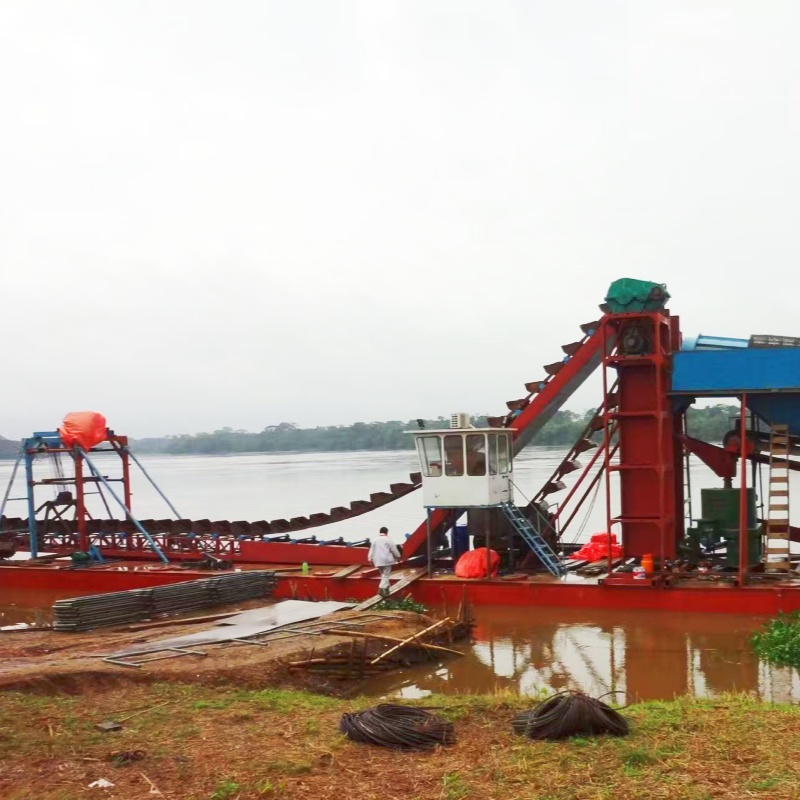
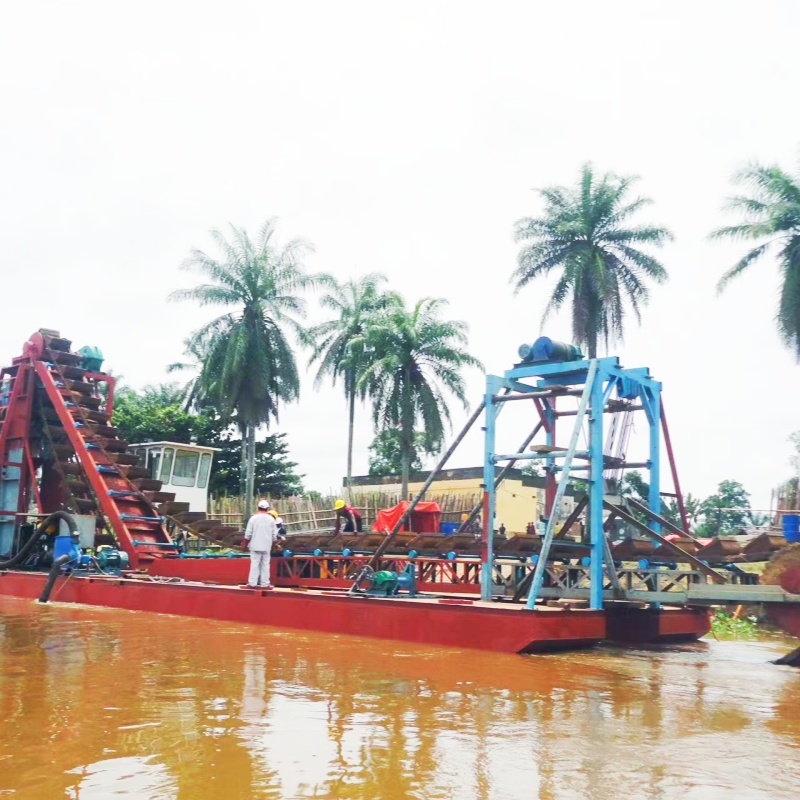
High-Quality Mining Dredges for Sale

application/mining-dredge-for-sale, application/mining-dredge-for-sale, 
Inquiry
Inquiry

mining dredge for sale

When searching for  a  mining dredge for  sale,  buyers face  various concerns, including performance, durability,  and  cost-effectiveness. Mining dredges are  specialized equipment used  for excavation, material handling, and environmental  restoration in waterways. This article will provide insights into selecting the right  dredge,  key specifications  to consider,  cost evaluation for  bulk  orders, common  issues encountered, and the diverse applications  of  mining dredges across  industries. For instance, the Aquatic Cleaning Boat is a key equipment used in waterway restoration.

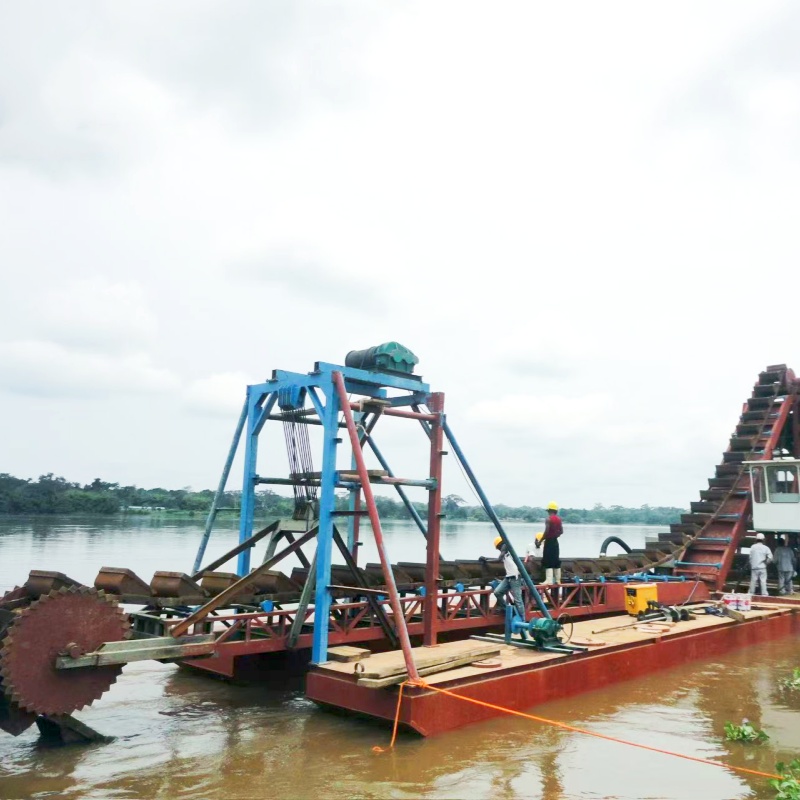
Key Specifications for High-Quality Mining Dredges

Key Specifications for High-Quality Mining Dredges

When evaluating mining  dredges, several key specifications should be prioritized:

Pump Performance: Look for the dredge's pump type  and capacity. The pump should  be capable of handling  the expected material type  (sand, gravel, silt) and flow  rate.

Cutting Depth and Width:  The cutter head's specifications dictate how deep and wide the dredge can excavate, impacting overall efficiency.

Hose and Pipeline  Dimensions: Ensure the hoses and pipelines can handle the required material transport without  significant pressure  loss or  blockages.

Operational Efficiency: Review fuel consumption rates and  maintenance schedules, as  these affect long-term operational costs.


Safety Features: High-quality dredges will include safety mechanisms such as emergency  shut-off systems, protective guards,  and buoyancy  aids.

Understanding  these specifications will help buyers  assess the dredge's  performance and suitability for their specific applications.

How to Evaluate the Cost of Mining Dredges for Bulk Orders

How to Evaluate the Cost of Mining Dredges for Bulk Orders

Evaluating the cost of mining dredges, especially for bulk  orders, requires a comprehensive  approach:


Unit Price vs. Total Cost: While a lower unit price  may  seem attractive, consider the total cost, including  shipping, installation, and maintenance.

Customization Requirements: Customizing dredges for specific tasks can increase costs. Buyers should assess whether the added functionality justifies the expense.


Lead Time and Availability: Longer lead times  can increase  costs due to delayed  project timelines. Confirm the manufacturer’s production capabilities and delivery  schedules.

Volume Discounts: Inquire about  discounts for bulk purchases. Many manufacturers offer reduced prices based on order  size, which can significantly impact budget considerations.


Warranty  and Support: Ensure the cost includes warranty coverage  and  after-sales support. This can help mitigate future  repair costs and downtime.

By carefully analyzing these factors, buyers can evaluate  the  total expenditure effectively and make informed purchasing decisions.

Common Problems in Mining Dredges and Effective Solutions

Common Problems in Mining Dredges and Effective Solutions

Mining dredges  can encounter several issues that may  affect performance. Here are common problems and their solutions:

Clogging: Material  buildup in the pump or pipelines can occur, leading to inefficiencies. Regular maintenance, including cleaning and inspections, can help prevent  this issue.

Wear and Tear: Continuous operation can lead to the degradation  of components  like the cutter head. Using high-quality materials and performing routine checks can extend the dredge's lifespan.


Fuel Inefficiency: Inadequate engine performance can lead to higher fuel  costs. Regular servicing and using the correct fuel type can enhance efficiency.


Operational Safety: Safety issues, such as equipment malfunctions or operator errors, can arise. Investing in  training for operators and ensuring compliance with safety regulations can minimize risks.

Environmental Impact: Dredging  can  disturb  local ecosystems. Implementing best practices for environmental management can address these concerns  and improve  project outcomes.

Being aware of these common  problems allows buyers to implement preventive  measures and  ensure smoother dredging  operations.


Applications of Mining Dredges in Various Industries

Mining dredges  are versatile and  used across several industries:

Construction and Infrastructure: Dredges are essential for excavating materials for ports,  bridges, and other  infrastructure  projects, ensuring efficient material handling.


Environmental Restoration: They are employed in  wetland restoration projects, helping to remove debris and restore natural  habitats.


Mining: In mineral extraction, dredges are used to extract  minerals from riverbeds and  lakes, facilitating  efficient resource recovery.

Agriculture: Dredges can  help in the  development of irrigation systems by creating channels and managing water flow.

Recreation and Tourism: Dredging is also vital for maintaining water clarity in lakes and rivers, enhancing  recreational activities like fishing and boating. Utilizing a Multi-Function Work Boat can also support various recreational projects.

Understanding the diverse  applications of mining  dredges helps buyers appreciate their value and  versatility, ultimately aiding  in selecting the right  equipment for their specific needs.

What to Consider When Choosing a Mining Dredge for Sale

Selecting the  right mining dredge involves understanding specific operational  needs and site conditions. Key factors include:

Type of Dredge: There are different dredge  types, such as cutter suction dredgers and  amphibious  dredgers, each suited for  specific environments. Cutter suction dredgers are ideal for deep-water operations, while amphibious dredgers can operate in shallow, marshy areas. The Amphibious Equipment is particularly useful for such conditions.

Capacity  and  Size: Assess the dredging capacity (measured  in cubic meters per  hour) and the physical dimensions of the dredge. These should align with the project’s scale and the size of the waterway.

Mobility and Accessibility:  Consider if the dredge needs to be transported frequently.  Amphibious dredgers, for instance, can  traverse land  and water, which can reduce logistical challenges.

Durability and Materials: Ensure the dredge is built from robust  materials that can withstand harsh environmental conditions, such as corrosion-resistant steel or specialized coatings.

Power Source:  Evaluate whether the dredge operates on diesel or electric power, as this will influence operational costs and  environmental impact.

By aligning  these factors with the project  requirements, buyers can make informed decisions that lead to effective dredging  operations.

Frequently Asked Questions

What types of mining dredges do you offer?

We supply cutter suction dredgers, amphibious dredgers, and excavator-mounted dredges tailored for river, lake, and port projects.
Yes. Our equipment carries ISO and CE certifications, ensuring compliance with international quality and safety standards.
We operate a 12,000 m² facility with dedicated production lines to manufacture durable and efficient dredging equipment.
Yes. We serve customers in 93 countries and offer export logistics, documentation, and after-sales technical support.
Absolutely. We offer customization of dredge size, power, cutter heads, and attachments to meet project depth, soil type, and site conditions.

Get a Free Quote

Our representative will contact you soon.
0/1000