Selecting the Right Dredging Boat for Your Project

application/dredging-boat-for-sale, application/dredging-boat-for-sale, 
Inquiry
Inquiry

dredging boat for sale

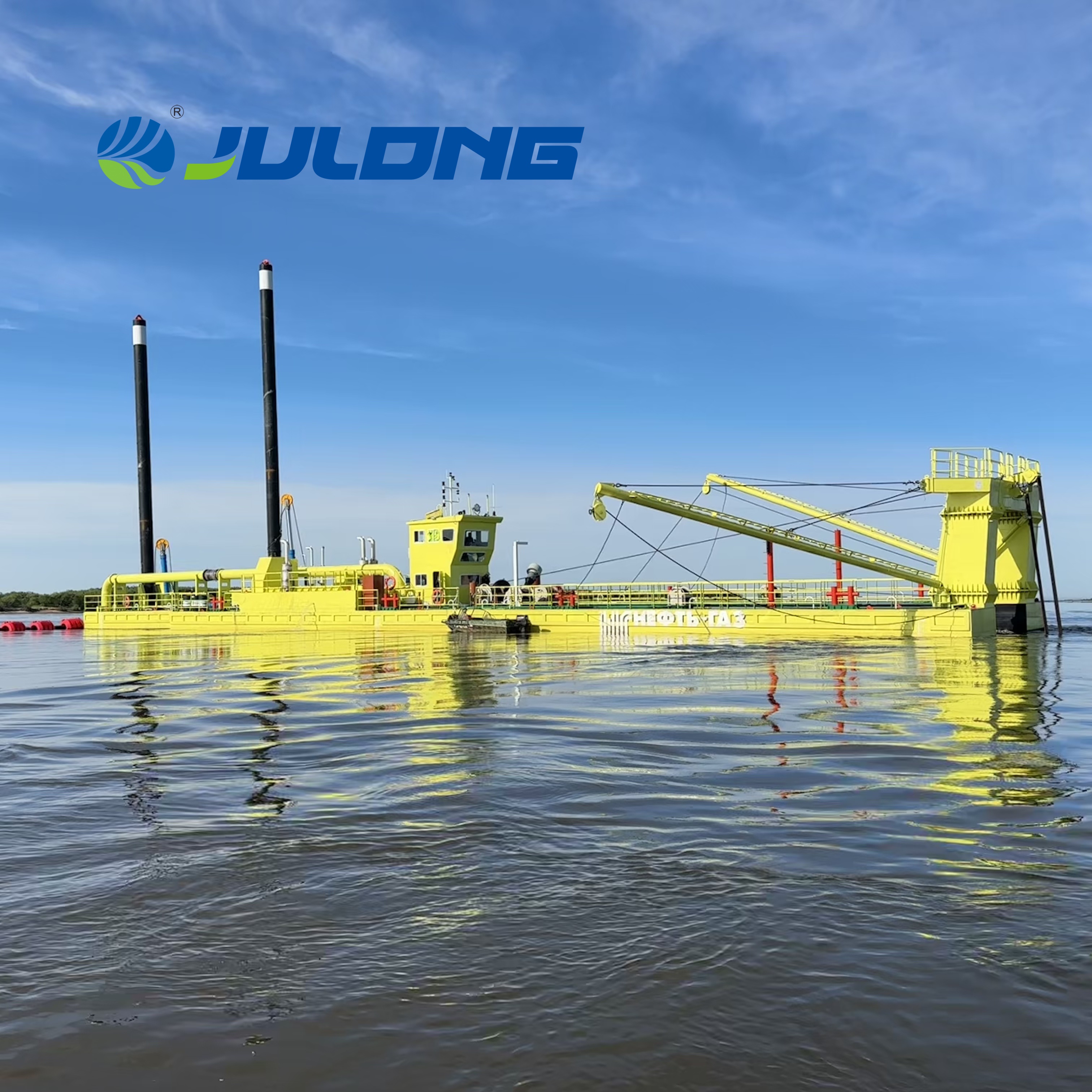
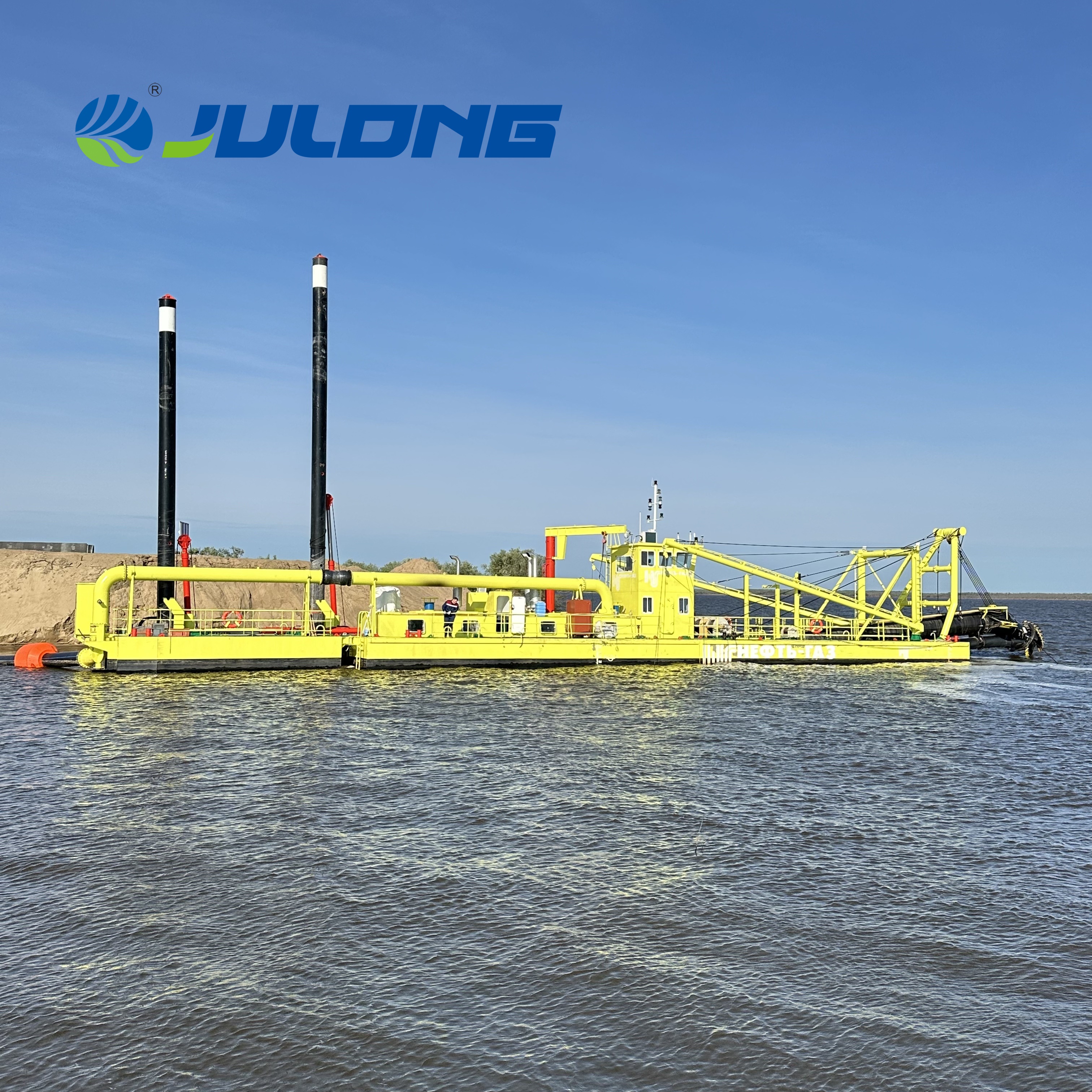
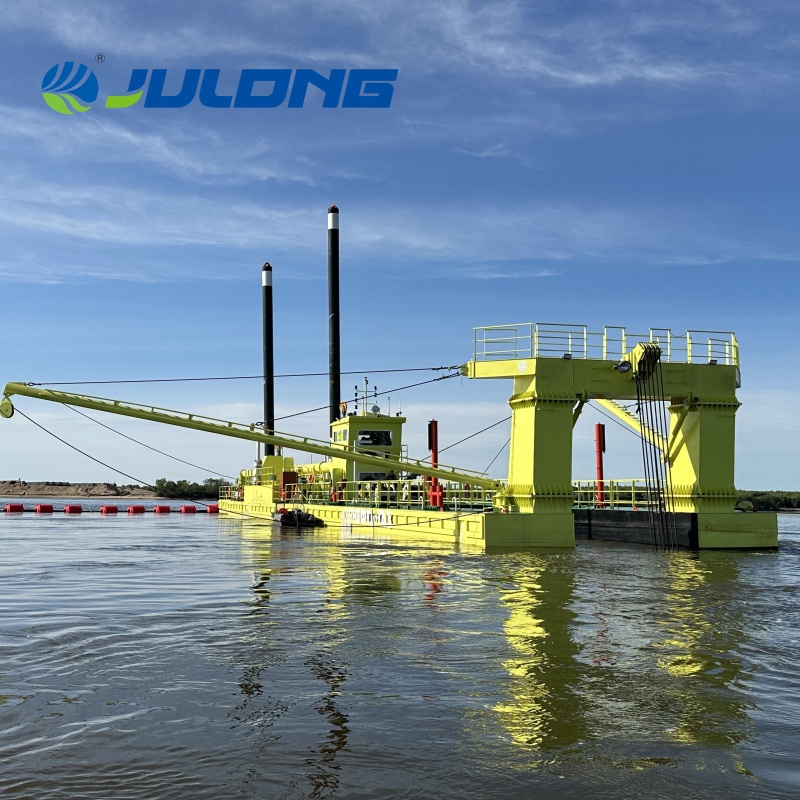
When considering  a dredging boat for sale, it’s essential  to understand its capabilities and how it fits your  specific project needs.  Dredging boats, particularly cutter suction dredgers and amphibious dredgers, are  critical for river, lake,  and  port projects. Buyers typically seek information on  performance,  durability, and  manufacturer reliability.  This article aims to guide  you  through selecting the  right dredging  boat, evaluating  specifications, finding trusted  suppliers, understanding cost factors,  and addressing common problems  associated with  these vessels. For instance, you might want to consider options like the JLCSD700 Cutter Suction Dredger – 7,000 m³/h Heavy-Duty Hydraulic Dredging Vessel for robust performance.

Key Specifications to Evaluate in Dredging Boats for Sale

Key Specifications to Evaluate in Dredging Boats for Sale

When evaluating dredging boats, certain specifications play a crucial role in performance.  Key factors to consider include:

Dredging Depth and Width: These specifications determine  how effectively the dredger can operate in specific environments. Ensure the dredger meets the depth requirements of your project.

Pump Capacity: Measured in cubic  meters per  hour (m³/h), this indicates how  much material the dredger can move.  Higher capacity pumps are essential for larger  projects.

Engine  Power: The power rating affects  the dredger's efficiency and  operational speed. A higher horsepower often translates  to better  performance in  challenging conditions.

Material Handling Capability: Understand the types of materials the dredger can handle, such as silt, sand, gravel,  or rock.

Stability and  Safety Features: Dredging  operations can be hazardous. Ensure  the boat includes safety features like anti-roll systems and robust anchorage mechanisms.

Each of these  specifications impacts the dredger's capability and  efficiency, so thorough evaluation  is critical to match the equipment with your project needs.

Finding Trusted Suppliers

Finding Trusted Suppliers

Finding a reliable supplier for dredging boats is crucial for  ensuring quality and support. Start by researching manufacturers  with  proven experience in dredging equipment, like Qingzhou JULONG Environmental Technology Co., Ltd.,  known for its cutter suction and amphibious  dredgers. Look for suppliers with relevant certifications, such as ISO and  CE, as these indicate adherence to international standards.

Request  references or case  studies  from past clients to  gauge supplier performance and service quality.  Additionally, consider suppliers with a  strong global presence, as  they often have experience adapting  their products for  various environments  and regulations.

Engaging with suppliers early in your  project can also provide insights into customization options, ensuring the dredging  boat meets your  specific requirements.

Cost Factors to Consider When Purchasing Dredging Boats in Bulk

Cost Factors to Consider When Purchasing Dredging Boats in Bulk

Purchasing dredging boats  in bulk can lead to  significant cost savings, but various factors should be considered to determine the overall expense. Key cost components include:

Initial Purchase  Price: This is the most obvious cost but  should be evaluated in  the context of the vessel's specifications and capabilities. A lower  upfront cost might equate to higher operating expenses down the line.

Customization Costs: If you require specific features or modifications, these will add to the base price. Discuss customization options early with your supplier to understand the implications on cost and lead time.

Shipping and Handling: Depending on the size and weight of the dredging boat, shipping costs can be substantial. Factor in  logistics and potential  tariffs, especially for international shipments.

Maintenance and Operating Costs: Consider the  long-term costs  associated with fuel consumption, routine  maintenance,  and repairs. Efficient  models  may  have higher initial costs but can save money over time with lower operational expenses.

Financing Options: Inquire about financing plans  or leasing options  that may ease the initial investment burden and allow  for flexibility in cash flow management.

Understanding these cost factors will help you budget effectively and make informed purchasing  decisions.

Common Problems with Dredging Boats and Effective Solutions

Dredging boats can face several  operational challenges, and being aware of  these can prevent costly downtime. Common issues include:

Clogged Pumps: This can occur if the dredged material  contains debris or oversized particles. Regular maintenance  and ensuring the pump specifications align with the material  type can mitigate this risk.

Engine Failures: Mechanical  failures can halt operations. Implementing a routine maintenance schedule and  keeping spare parts on hand can help address these  issues promptly.

Stability Issues: In unstable water conditions  or  with uneven  loads, dredging boats may experience stability problems.  Ensuring  proper  ballast and weight distribution before starting operations  is essential for safe maneuvering.

Material Compatibility:  Not all dredging boats are suitable for every material type. Ensuring that the dredger's specifications match the project's material requirements will enhance performance and reduce wear and tear.

By proactively addressing these common issues and working closely with  your supplier, you can maintain operational efficiency and extend the lifespan of your dredging equipment.

Understanding these elements  will  empower you  as a buyer to make informed decisions regarding dredging boats, ensuring you select the right equipment for your specific needs.

How to Select the Right Dredging Boat for Your Project Needs

Selecting the  right dredging boat involves assessing several factors, including project scope, water conditions, and specific dredging requirements. Start by defining the type of dredging operation you need  to perform—whether it’s for maintenance  dredging, capital dredging,  or environmental  remediation.

Consider the  operational environment: will the dredger be used in shallow or deep waters? This affects the choice between cutter suction dredgers, which are effective in  varying  depths, and amphibious  dredgers, which excel in  marshy or uneven terrains. Additionally, evaluate the required dredging depth and material type.  For  instance, if you're  dealing with  dense  clay or hard materials, a dredger with powerful  cutting capabilities is necessary. A great option for various environments is the JLWB1600 Multi-function Work Boat.

Lastly, account for the boat's maneuverability and transportability. For projects in  confined spaces or remote locations, a compact design with amphibious capabilities  may  be  advantageous.

Frequently Asked Questions

What types of dredging boats do you offer for sale?

We supply cutter suction dredgers, amphibious dredgers, and excavator-equipped dredging boats tailored for rivers, lakes, and ports.
Yes. Our machines carry ISO and CE certifications, ensuring compliance with international quality and safety standards.
Yes. We offer customization in capacity, pump power, cutter heads, and hull design to match project depth, soil type, and site conditions.
We provide technical support, spare parts, operator training, and warranty terms; details vary by model and are confirmed at sale.
We export globally and currently serve clients in 93 countries, supporting international logistics and on-site commissioning.

Get a Free Quote

Our representative will contact you soon.
0/1000